Things to Do in San Francisco Locals Recommend
Locals weigh in on where to actually spend your time in San Francisco — the parks, markets, museums, and neighborhoods that hold up year after year.
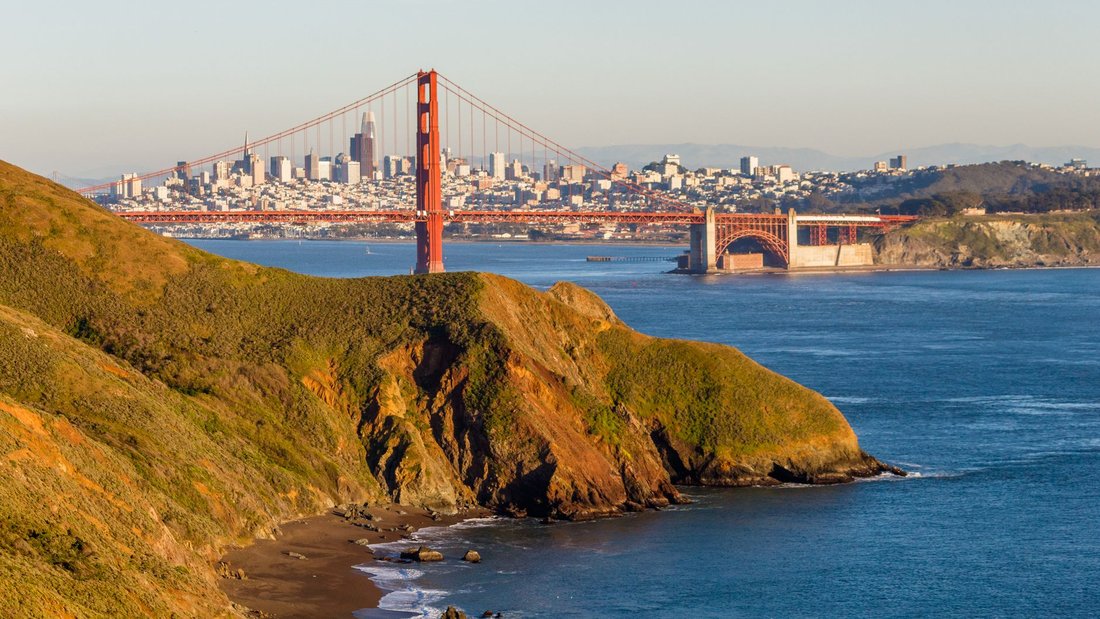
On a Tuesday morning in January, a line forms outside a taqueria on 24th Street before the door opens. The people waiting are not tourists. They are a nurse finishing a night shift at UCSF, a retired Muni driver, two teenagers in school uniforms arguing about something on a phone. The line moves fast. Inside, a woman wraps burritos with practiced efficiency, the same way she has been doing it for twenty years. This is what things to do in san francisco actually looks like when you strip away the cable car postcards, ordinary rituals raised to art by repetition and place.
The Mission: Where the City Keeps Its Heart
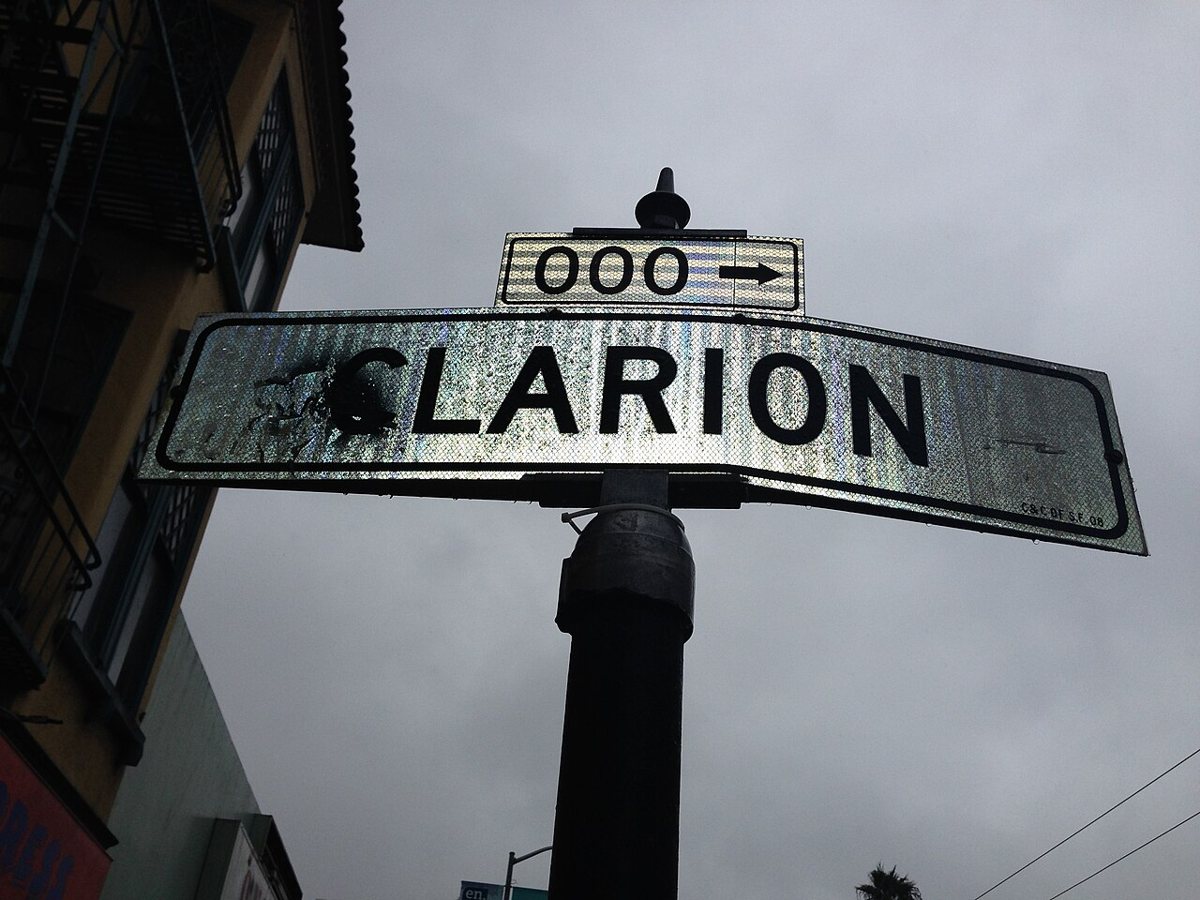
No neighborhood concentrates more of what makes San Francisco worth living in than the Mission. The flat grid, the perpetual micro-climate warmth that defies the city's general fog policy, the density of Latino culture alongside the tech money that has been reshuffling the population for twenty years, none of that tension gets resolved here, but all of it gets expressed. Walking 24th Street from Potrero to Valencia and back is a genuine education in what the city used to be and what it is becoming. Stop at the panaderías, look at the murals on Balmy Alley and Clarion Alley, eat something before noon.
Balmy Alley and Clarion Alley
Balmy Alley, tucked between 24th and 25th Streets east of Guerrero, has been a gallery without walls since the 1970s, when Mission artists started covering its garage doors and fences with political murals inspired by the Mexican muralism tradition. The work cycles, pieces get painted over and replaced, so the alley you see today is not identical to what appeared in any guidebook printed two years ago. That impermanence is the point. Clarion Alley, between Valencia and Mission Streets near 17th, operates on a similar principle and tends to run more contemporary and politically charged. Neither requires anything from you except attention. Spend an hour walking both and you will come away with a more accurate picture of Mission history than any museum exhibit could provide.

Dolores Park
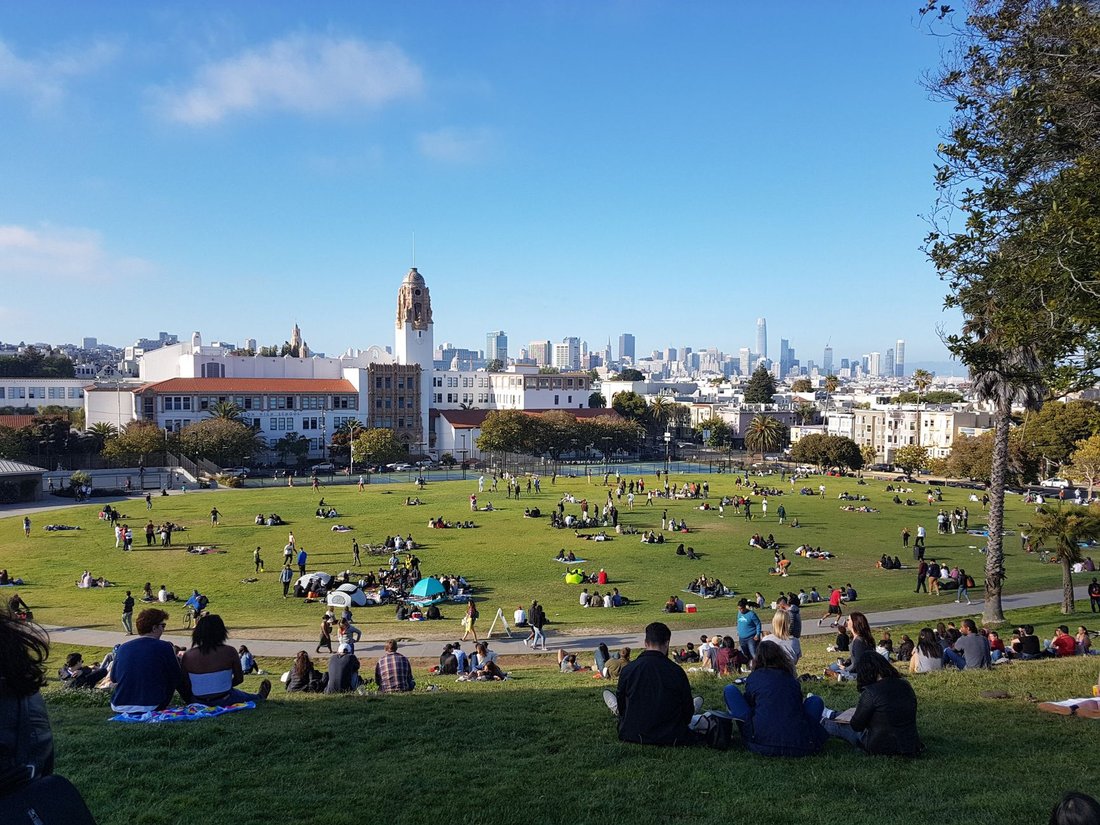
Dolores Park sits at the corner of 18th and Dolores and functions as the Mission's front lawn, its town square, its outdoor living room, and its ongoing argument about who the neighborhood belongs to. On weekends the hill fills with a cross-section of the city that you would struggle to manufacture artificially: longtime Mission families, newcomers from the tech corridor, dog owners, teenagers with portable speakers, older men playing chess at the concrete tables near the 20th Street entrance. The view from the top of the hill toward downtown is legitimately one of the best urban panoramas in California. Bring food from the taquerias on 24th or the bakeries nearby. The park has its own micro-vendors who circulate on busy days. Sit somewhere, watch how the city moves through a public space, and recalibrate whatever assumptions you arrived with.
Things to Do in San Francisco That Require Actual Effort
The city rewards people who leave the designated tourist circuits. The neighborhoods that do not have their own cable car stop or their own Wikipedia disambiguation page tend to be the ones where San Francisco's actual character is most legible. That said, some of the famous places are famous for good reasons.
Golden Gate Park
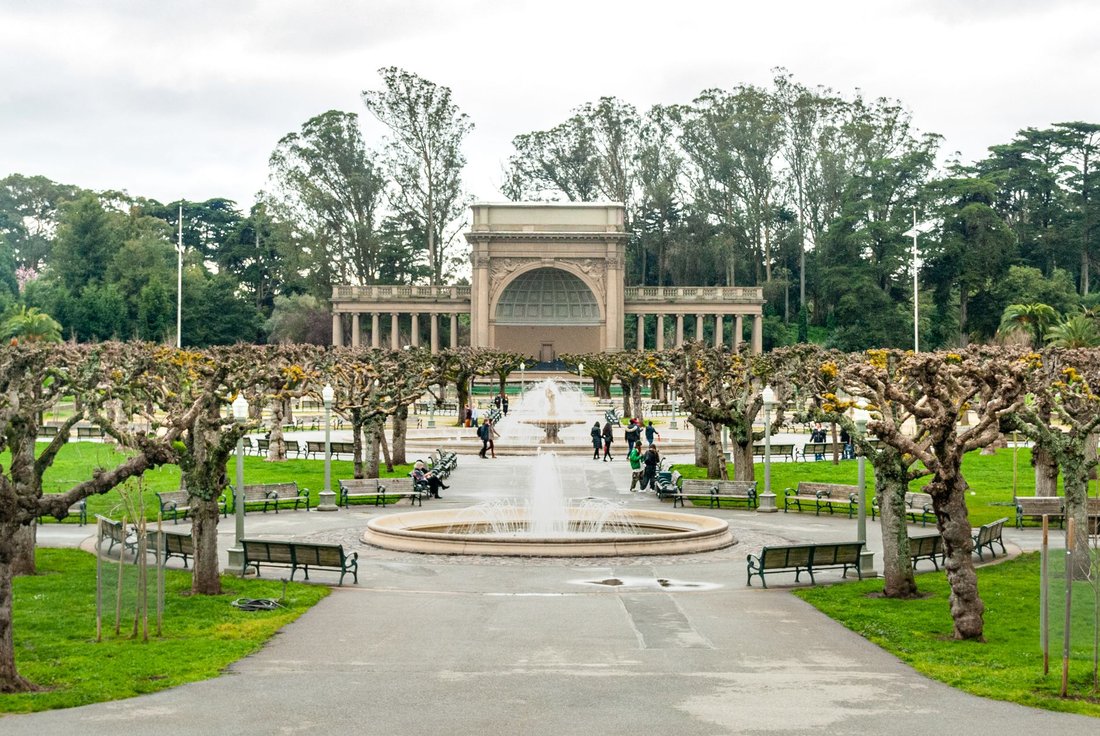
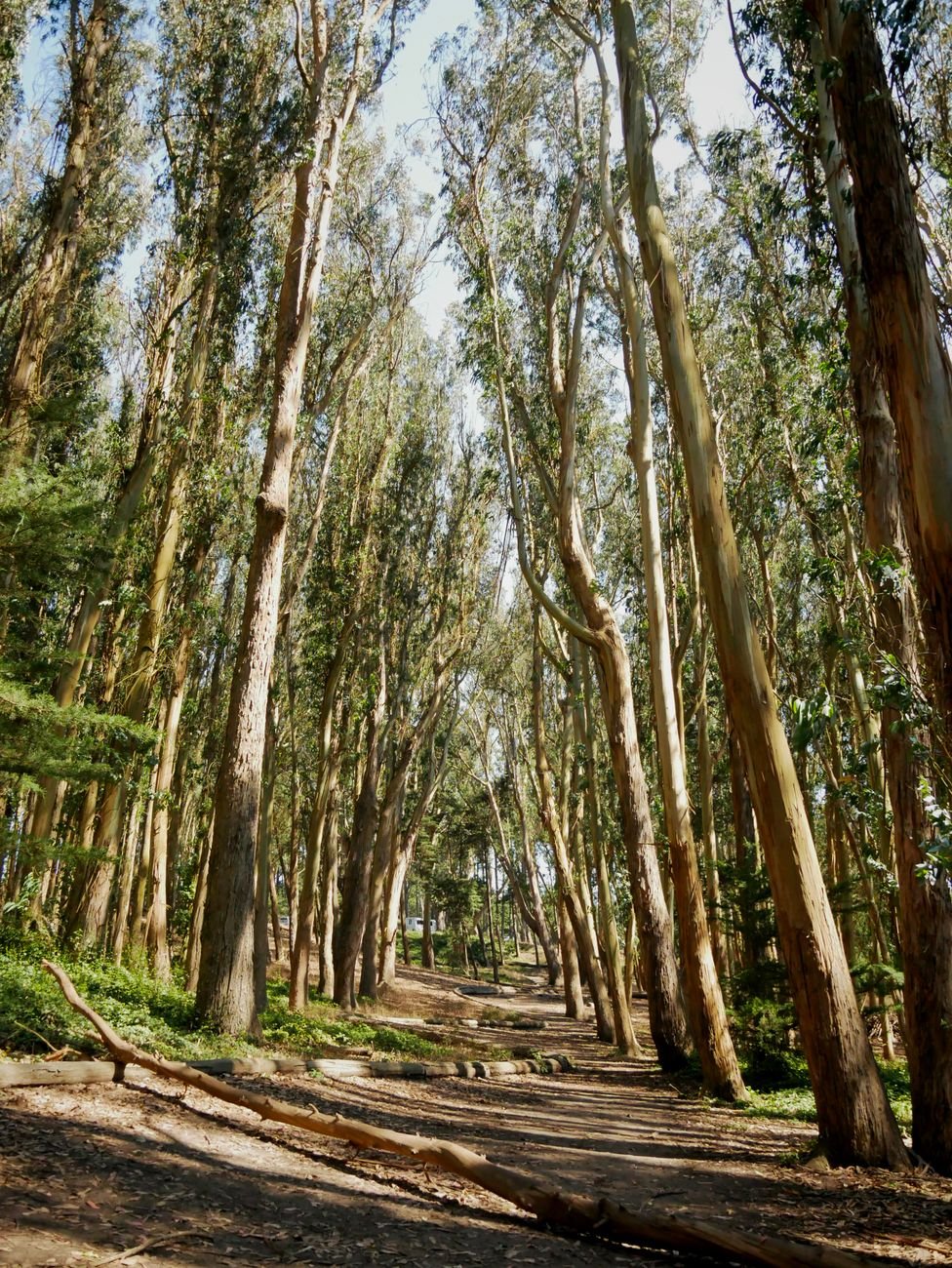
Golden Gate Park is 1,017 acres of engineered wilderness dropped into the western half of the city, a fact that still seems improbable when you are standing inside it. The park was built on sand dunes starting in 1870 and now contains lakes, a bison paddock, a Dutch windmill, a Japanese tea garden, a botanical garden, a carousel, two world-class museums, and enough trail mileage that you could spend a full week inside it and not cover everything twice. The eastern edge, near the Panhandle, is the busiest and most urban-feeling. The western sections near the ocean, where the trees get larger and the crowds thin, feel like a different park entirely. On Sundays the main road through the park closes to car traffic and becomes a river of cyclists, rollerbladers, and stroller-pushing parents. Go on a Sunday and go west.
The de Young Museum
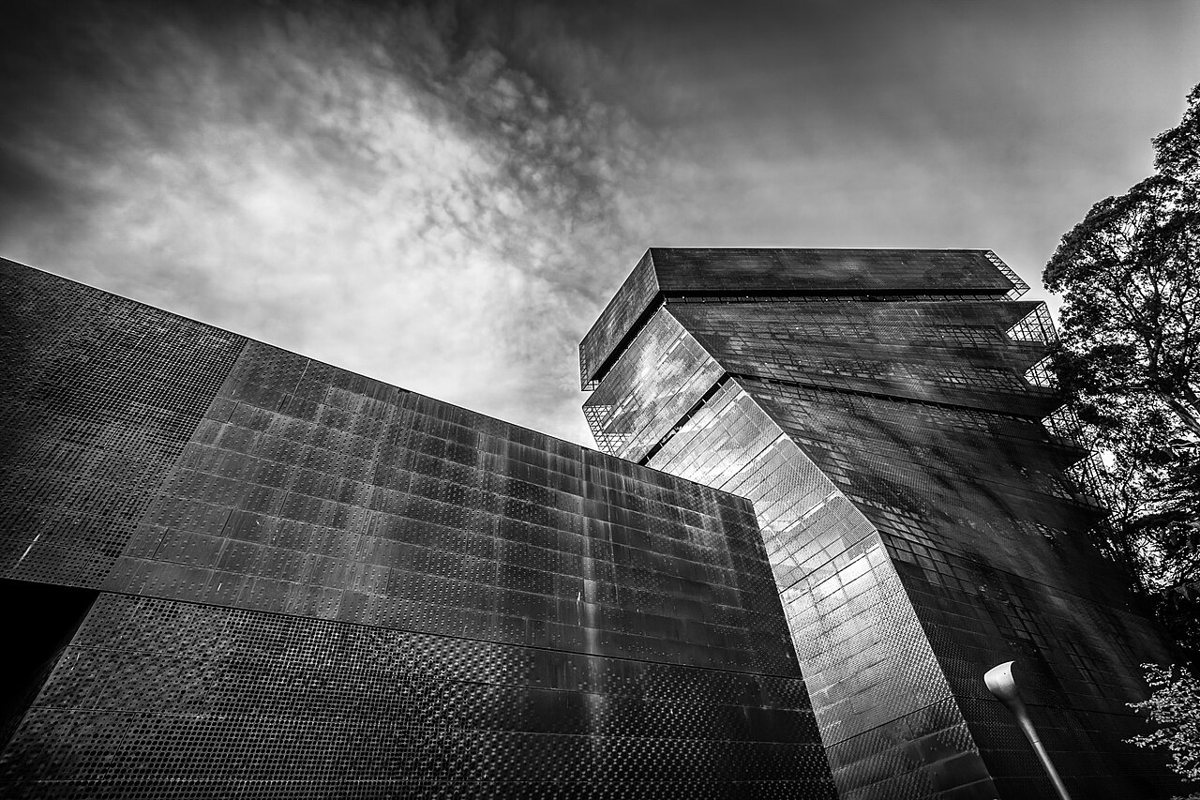
The de Young sits inside Golden Gate Park and houses the city's primary fine arts collection, ranging from pre-Columbian artifacts through American painting and contemporary fiber arts. The building itself, a copper-clad structure designed by Herzog and de Meuron that opened in 2005, has aged from eyesore to landmark as the copper has oxidized into shades of green that match the surrounding trees. The observation tower at the top of the building is free to enter and offers one of the few aerial views of the park and the surrounding Richmond and Sunset neighborhoods available without a ticket. The permanent collection spans enough ground that a focused two-hour visit will leave you with something genuinely new. The museum runs a rotation of major traveling exhibitions alongside its permanent holdings; the line for blockbusters can be long, so arrival at opening is worth the planning.

Lands End
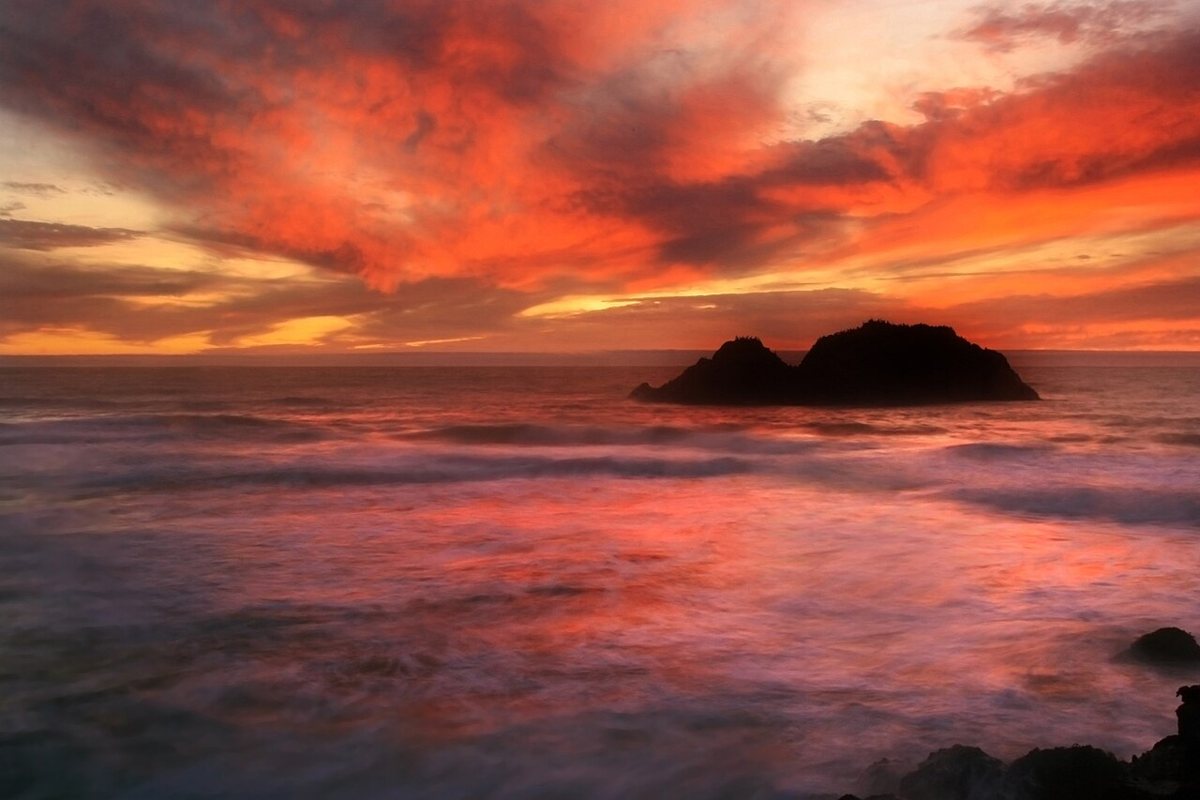
Lands End is the ragged northwestern corner of the San Francisco peninsula, where the city ends and the Pacific begins in a way that feels less like an edge and more like a collision. The trail system here runs along cliffs above the water, past ruins of the old Sutro Baths (a massive Victorian-era public swimming complex that burned in 1966 and left a concrete skeleton at the waterline), through cypress groves, and out to points where you can see the Golden Gate Bridge from angles that no postcard bothers with. The terrain changes fast (sunny on the path, cold and windy at the exposed overlooks, foggy in the trees), so layers are not optional. The Sutro Baths ruins are accessible by a short scramble down from the main trail and are worth the detour. On clear days the Marin Headlands across the Gate are close enough to seem touchable.

Richmond District: The City's Quieter Genius
The Richmond stretches from Arguello to the ocean, bordered by Golden Gate Park on the south and the Presidio on the north, and it runs on dim sum, Russian bakeries, Vietnamese noodle shops, and a general indifference to whether anyone outside the neighborhood knows it exists. It is the city's largest Chinese-American community and has been for generations, which means the food infrastructure is serious. Clement Street, the district's main commercial artery, covers roughly twenty blocks and contains more worthwhile restaurants per square foot than most cities manage per square mile. Weekends bring the Inner Clement farmers market and families who have been shopping the same produce stands for decades.
The Presidio
The Presidio is a former Army base that transferred to National Park Service control in 1994 and has been slowly converting its 1,500 acres of forests, meadows, and military buildings into public space ever since. The site holds nearly 800 historic structures, barracks, officers' quarters, a hospital, batteries overlooking the Gate, alongside hiking and biking trails, a golf course, a bowling alley, and views of the Bridge from positions that the tourist infrastructure at the Bridge's south end cannot match. The trails on the eastern bluffs above Crissy Field are the best in the city for running. The Presidio also contains Baker Beach, which offers arguably the most dramatic city-adjacent beach setting in the country, with the Bridge's south tower looming above the sand. Go on a weekday if possible; the parking situation on weekends is a reliable source of misery.
The Castro and Noe Valley: Hills and History
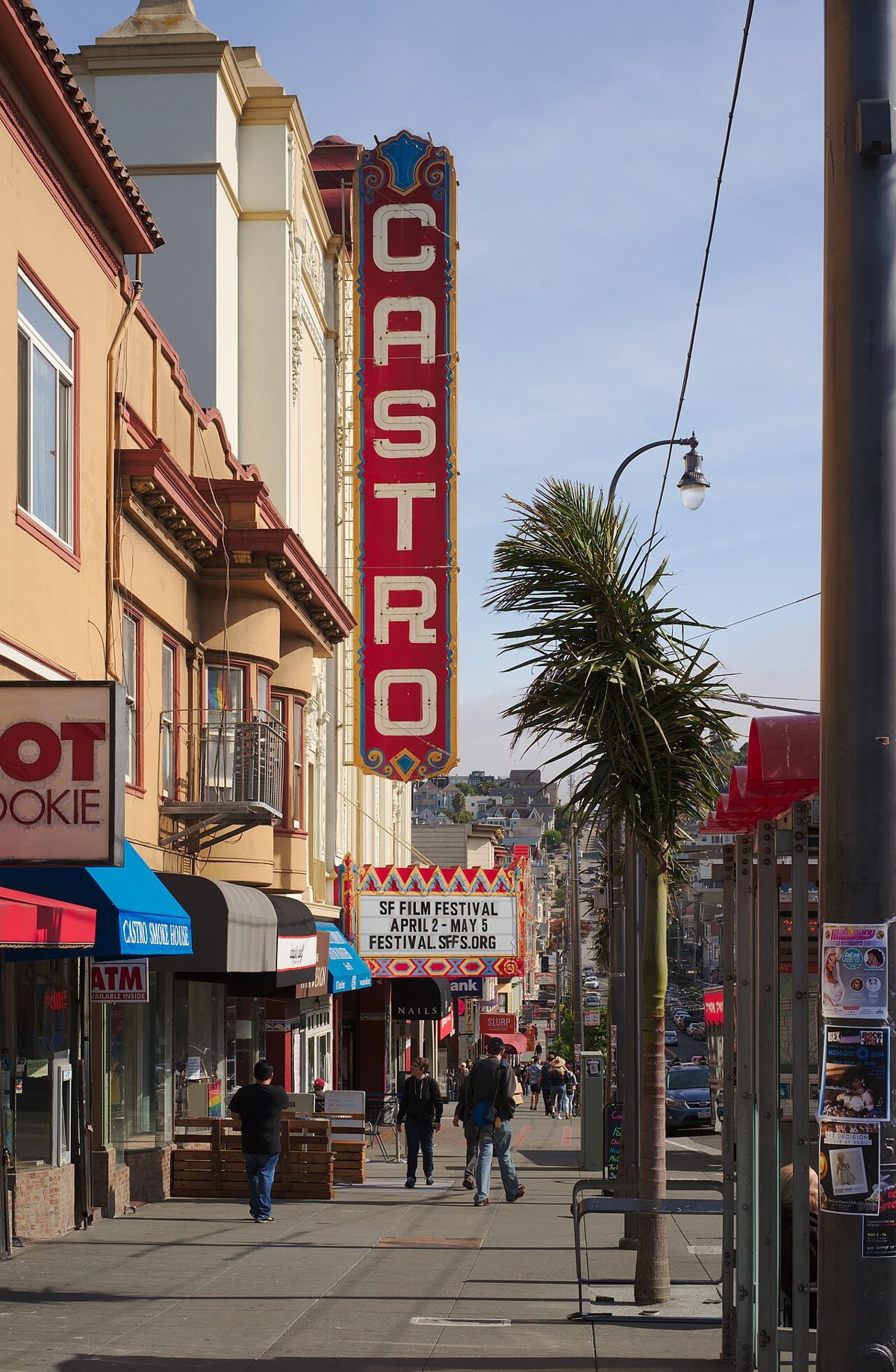
The Castro sits at the intersection of Market, Castro, and 18th Streets and has been the geographic center of San Francisco's LGBTQ community since the 1970s, when Harvey Milk opened his camera shop here and the neighborhood became the organizing base for one of the most consequential civil rights campaigns in American history. The physical neighborhood is compact, a few blocks of Victorian storefronts and bars and restaurants and the Castro Theatre marquee that dominates the intersection, but its institutional weight in the city's history is enormous. The GLBT Historical Society Museum on 18th Street is small but serious, and the Castro Theatre is a genuine 1922 movie palace that still runs films. Noe Valley, immediately south, is calmer and considerably more expensive, organized around 24th Street west of Church, with good coffee and the kind of quiet that the Mission shed a generation ago.
Castro Theatre
The Castro Theatre opened in 1922 and is one of the last surviving single-screen movie palaces in the country operating as a cinema rather than a concert venue or a condo conversion. The Spanish Colonial Revival interior (ornate ceiling, pipe organ, balcony) creates a context for watching films that the multiplex cannot approximate. The theater runs a mix of repertory programming, film festivals, and special events. The Wurlitzer organ plays before shows on certain evenings, and the audience tends to be the kind that treats cinema as a communal activity rather than a streaming alternative. Sitting in the Castro Theatre for a double bill of something old and strange is a specifically San Francisco experience that is not available elsewhere.

SoMa and the Waterfront
South of Market was industrial warehouse territory until the first dot-com boom converted it into lofts and clubs and galleries, and it has been cycling through versions of that transformation ever since. It holds the city's largest concentration of museums and performance spaces, including SFMOMA on Third Street, the Contemporary Jewish Museum, and the Children's Creativity Museum. The neighborhood's streets can feel empty and impersonal compared to the denser residential districts, but the waterfront access along the Embarcadero compensates for a lot.
The Ferry Building
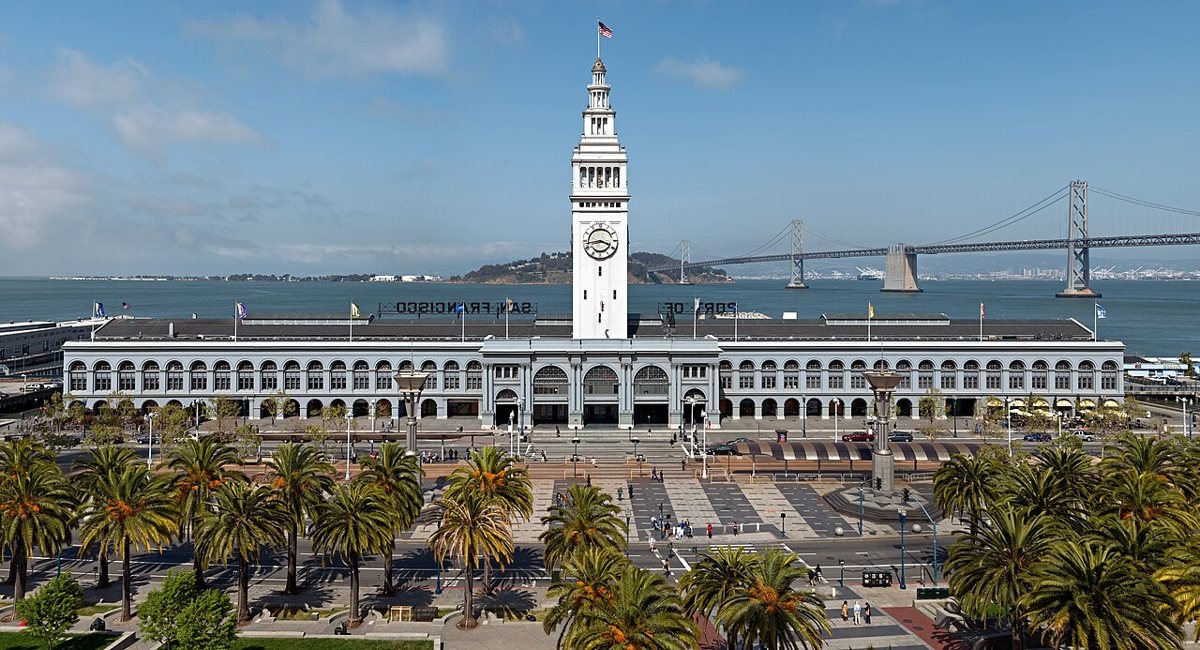
The Ferry Building has been the eastern anchor of Market Street since 1898, survived the 1906 earthquake and fire that leveled most of the city, and spent several decades behind a double-decker freeway that the 1989 Loma Prieta earthquake helpfully destroyed. The building now houses a permanent marketplace of Bay Area food producers (cheese makers, chocolate makers, coffee roasters, fishmongers, bakers) alongside restaurants that use the same sourcing. The Saturday farmers market outside the building draws the city's serious food community and has been running long enough that the vendors and the regulars know each other by name. It functions as a weekly civic ritual. Go on a Saturday morning before eleven if you want to shop; go after eleven if you want to watch the city at leisure. The oyster bar inside opens early and the view across the Bay from the back of the building is worth standing still for.

SFMOMA
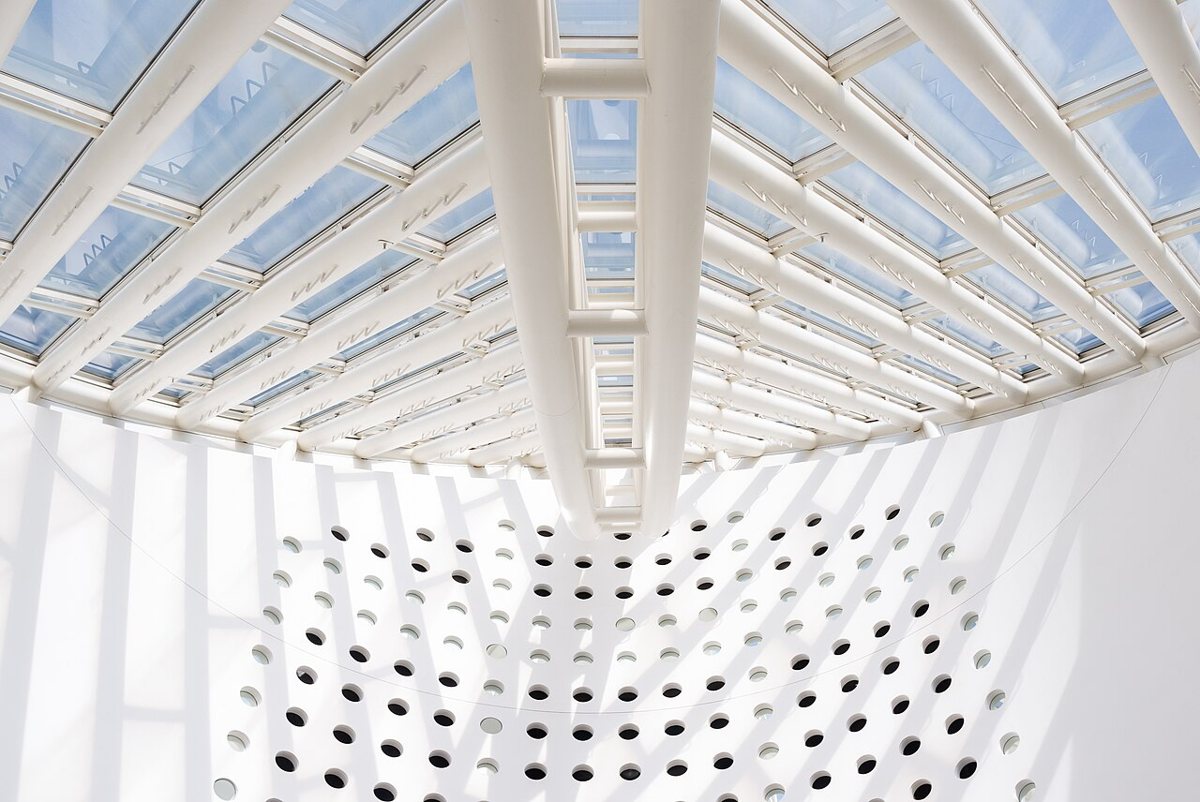
The San Francisco Museum of Modern Art reopened in 2016 after a major expansion that tripled the building's gallery space, and the collection it now displays is genuinely one of the strongest in the country: deep holdings in photography, painting from the New York School and Bay Area Figurative movement, and a contemporary collection that covers video, installation, and design. The Dorothea Lange photographs alone justify a visit. The building can feel overwhelming at full population, so a weekday afternoon in the off-season is the right time to see the permanent collection without fighting for sight lines. The top floors, which open to outdoor terraces, provide clear views over the surrounding blocks.

Haight-Ashbury: The Counterculture That Refuses to End
The Haight has been trading on its 1967 Summer of Love mythology for sixty years now, and the neighborhood is aware of the absurdity of this arrangement. The Victorian houses remain. The record shops remain. The vintage clothing stores remain. What has shifted is the ratio of people who live here to people who come to photograph the Painted Ladies or buy a tie-dye shirt. The residential blocks west of Masonic, toward the park, are quiet and genuinely beautiful, rows of Victorians on narrow streets where the fog comes in reliably in the evening. Upper Haight along the main commercial strip is good for browsing and eating; Lower Haight, from Divisadero east toward Civic Center, is less polished and more interesting.
Alamo Square and the Painted Ladies
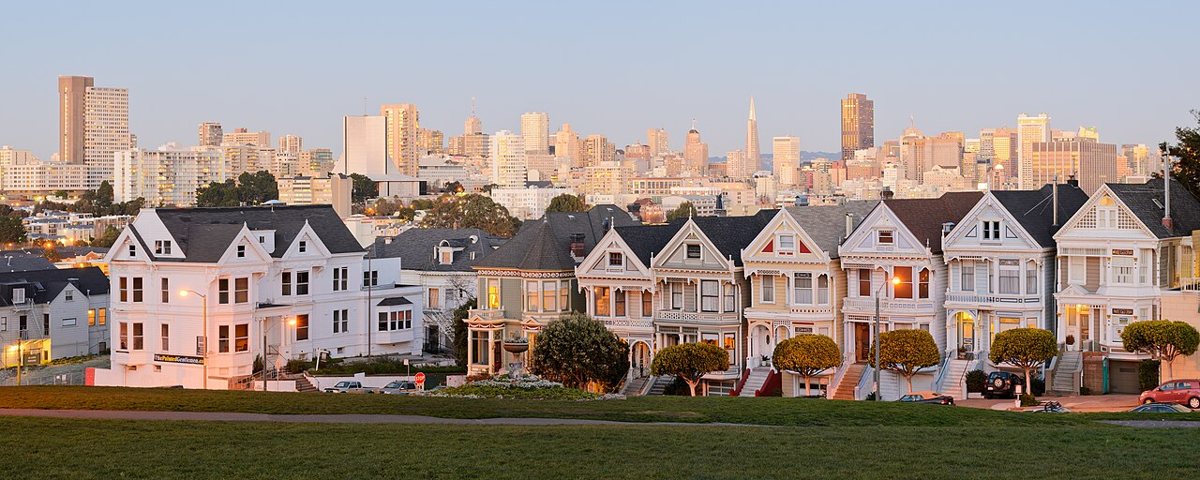
Alamo Square park sits on a hill at Steiner and Hayes, and the row of Victorian houses along the eastern edge of the park, the ones photographed with the downtown skyline behind them, have been on enough television and enough postcards that they feel half-real on first encounter. The houses are real. They are privately owned and occupied and not a museum piece, which is worth keeping in mind when people set up tripods on the lawn. The park itself is worth spending time in independent of the photograph opportunity: the views in multiple directions are excellent, the neighborhood dogs are friendly, and on weekday mornings the hill is quiet enough to feel like a discovery. The Hayes Valley neighborhood directly downhill has become one of the city's best blocks for coffee and food.

Practical Notes for Getting Around
San Francisco covers 49 square miles but functions at neighborhood scale. Most of what matters is reachable on foot, by Muni, or by the BART system that runs under Market Street and connects to the East Bay. The hills are real, the topography is not decorative, and a walk from the Castro to the Haight that looks short on a map may involve a sustained climb. Factor that in or take the J-Church or the 48-Quintara. Parking is expensive and structurally frustrating; driving between neighborhoods is genuinely less efficient than the Muni map suggests it should be.
- BART connects the airport to downtown in roughly thirty minutes and is the correct way to arrive from SFO.
- The Muni Metro light rail runs underground through downtown and emerges into neighborhoods; the above-ground streetcar lines on the surface streets are slower and more scenic.
- Golden Gate Park, the Presidio, and Lands End are all best accessed by bicycle; several rental operations work out of the Embarcadero and the park's eastern edge.
- The fog follows a seasonal and daily logic: summer mornings are often socked in, afternoons burn off in inland neighborhoods while the coast stays cold, and September and October are the city's warmest and clearest months by a significant margin.
- What is free: Dolores Park, Golden Gate Park, Lands End, the Presidio trails, Alamo Square, the mural alleys, the Ferry Building marketplace browsing, the de Young observation tower.
Timing matters more in San Francisco than in most American cities because the weather is genuinely local. The Richmond and the Sunset, on the ocean side of the hills, run five to ten degrees colder and foggier than the Mission and the Castro on the inland side. Pack a layer regardless of the season. The fog that rolls through the Gate in July evenings is not a malfunction. It is the city's most reliable special effect, and it is free.
What Makes It Worth Staying
San Francisco has been declared over many times. The displacement of longtime residents, the hollowing out of neighborhoods that used to hold artists and working families, the conversion of the city's civic life into a backdrop for an industry that mostly does not notice it, these are not new complaints, and none of them are wrong. But they coexist with the fact that the city's physical beauty is not negotiable, that the food culture is among the most serious in the country, that the institutions built by generations of immigrants and activists and writers and organizers are still here and still operating.
The things worth doing in San Francisco are mostly the things that connect you to the city's accumulated layers rather than the things that skim the surface. Eat in the Mission. Walk Lands End in the fog. Sit in the Castro Theatre when the organ is playing. Spend a Saturday morning at the Ferry Building not because a guidebook told you to but because the farmers market is what the Bay Area's agricultural abundance actually tastes like when it is two days off the tree. Take the Muni somewhere without a destination and see where the city's neighborhood food culture is living now. The city changes fast enough that the version you find will not be exactly the version anyone else described. That is not a bug.