Things to Do in the Mission Worth Exploring
The Mission remains San Francisco's sunniest, most Latino, and most contested neighborhood, where murals, taquerias, and Dolores Park draw crowds even as longtime residents fight to keep their block from becoming somewhere else entirely.
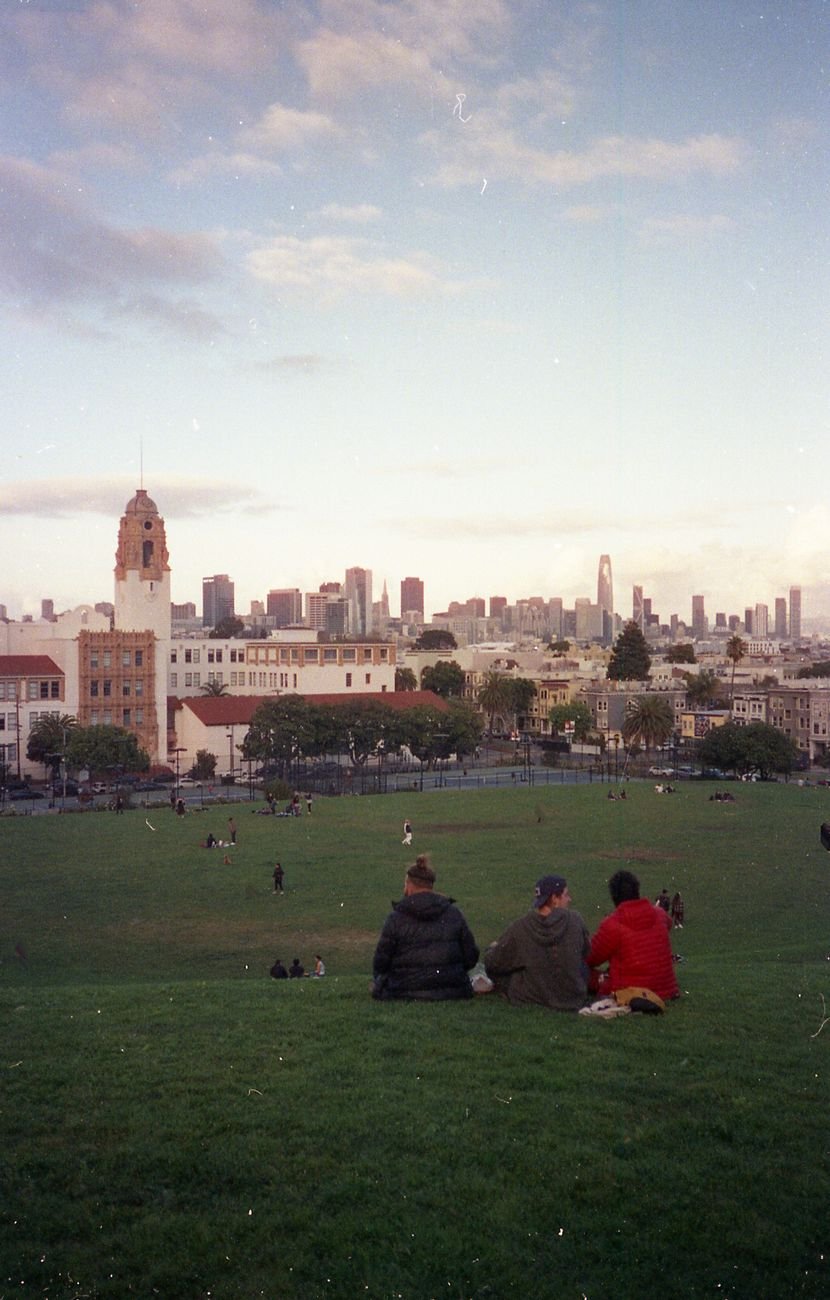
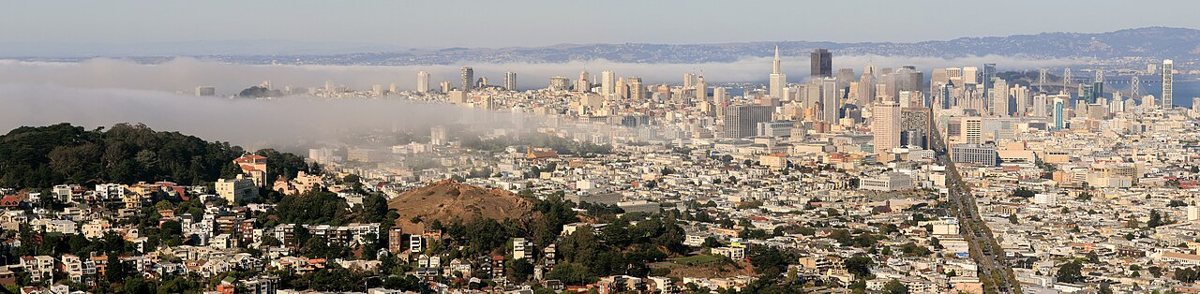
On a clear Tuesday afternoon, the grass in Dolores Park fills in by noon: dog walkers, a taco cart parked on Dolores Street, students skipping the last class of the day, someone practicing trumpet near the tennis courts. This is one of the simplest things to do in the Mission, and it tells you something about the neighborhood before you've even left the park. Two miles north the fog sits on Twin Peaks like a lid, and the rest of the city is buttoned into fleece. Here it's 68 degrees, because the Mission sits in a rain shadow that keeps the marine layer mostly out. That weather quirk explains a lot: outdoor life, corner taquerias with their doors propped open all year, murals that don't flake and peel the way paint does in the damper neighborhoods to the west. Ask someone who has lived here twenty years what the Mission is, and weather is usually the second sentence, right after the fact that it's the historic heart of Latino San Francisco.
The smell on a lot of corners is masa and grilled meat, sometimes with a note of pan dulce drifting from a bakery a block over. None of this is staged for visitors. It's the daily texture of a neighborhood that has been the city's working Latino district since the mid-twentieth century, built on top of an even older layer: Ohlone land, the Spanish mission that gave the district its name, and waves of Irish, German, and Scandinavian immigrants before the Latino community that defines it now. The Mission has also become, over the past fifteen years, the center of San Francisco's affordability fight, with tech-driven wealth pushing against families who have been here for generations. Any honest guide to the neighborhood has to hold both truths at once: this is a place worth spending a full day in, and it's also a place where people are losing their homes and their storefronts. Neither fact cancels the other, and pretending otherwise does the neighborhood a disservice.
The Best Things to Do in the Mission Start on 24th Street
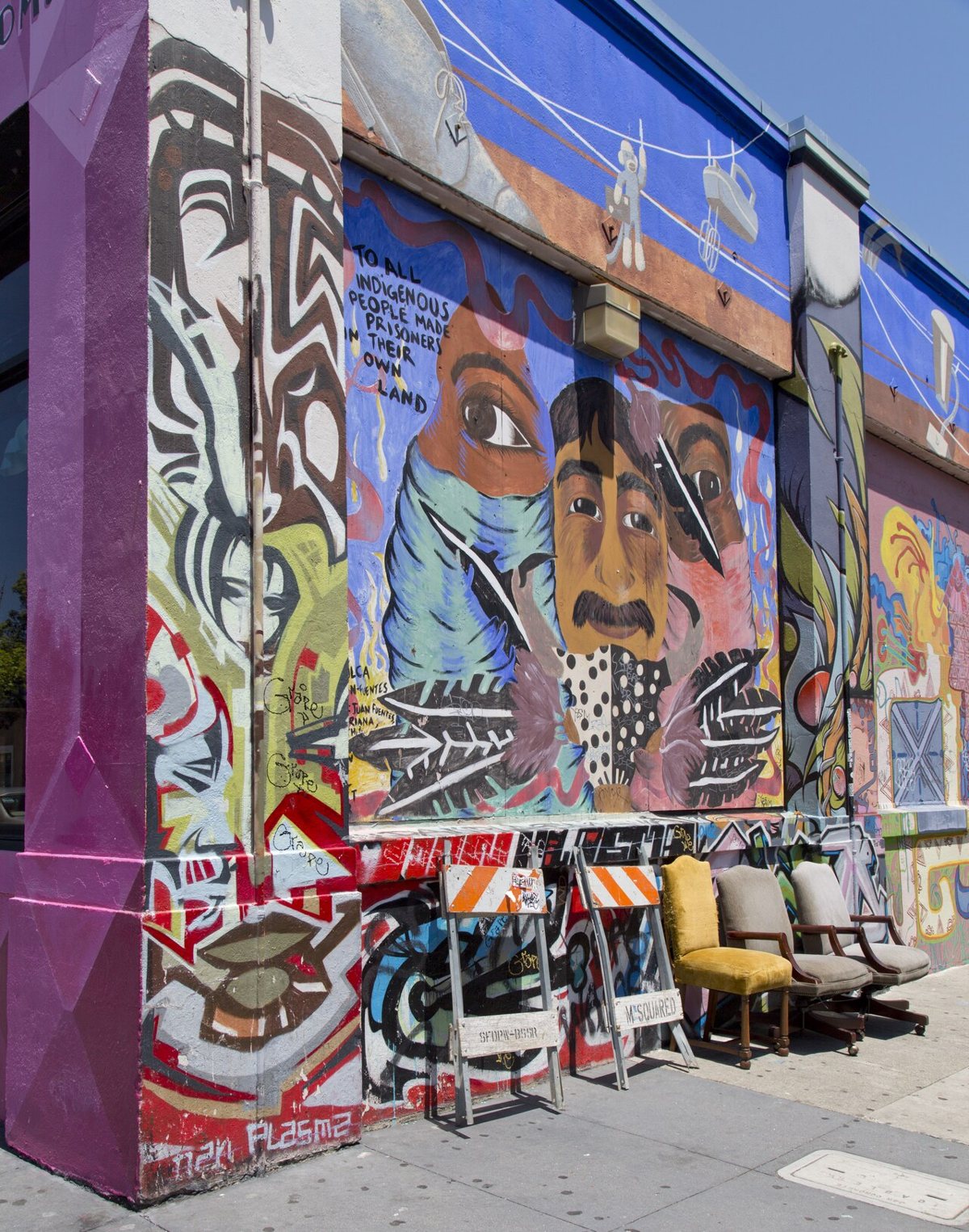
If you want one street that explains the Mission, it's 24th Street between Mission and Potrero, the spine of what the city formally designates the Calle 24 Latino Cultural District. The designation isn't just a street sign; it's a policy tool the neighborhood fought for, meant to slow the replacement of Latino-owned businesses with the kind of shops that could exist anywhere. Locals disagree about how well it's actually working, and that disagreement is itself worth knowing before you go. What isn't in dispute is that walking 24th Street still means passing panaderias with trays of conchas in the window, botanicas, taquerias, flower stands, and mural-covered walls, often within the same block.
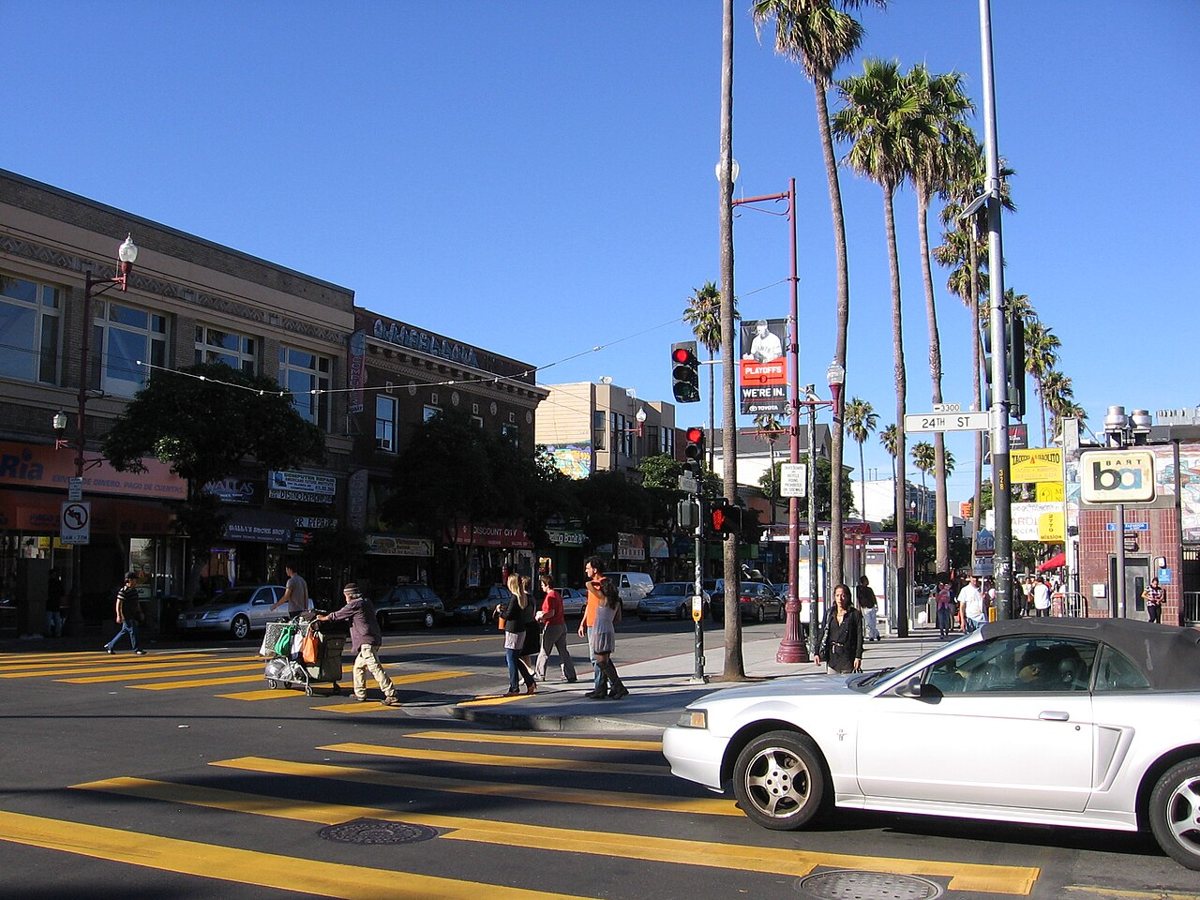

Weekends bring out families, church groups, and street vendors selling fruit cups and tamales from carts set up on the sidewalk. It's a place to walk slowly rather than check off a list. Storefronts change, so don't come with one specific bakery or restaurant in mind; come ready to duck into whatever panaderia has a line, or none at all, and order by pointing at the tray. Rents along this corridor have risen even with the cultural district protections in place, and longtime tenants have closed in recent years, so the mix of businesses you find on any given visit isn't fixed. That instability is worth sitting with, not just noting in passing, because it's the same pressure reshaping commercial strips across the entire city.
Balmy Alley
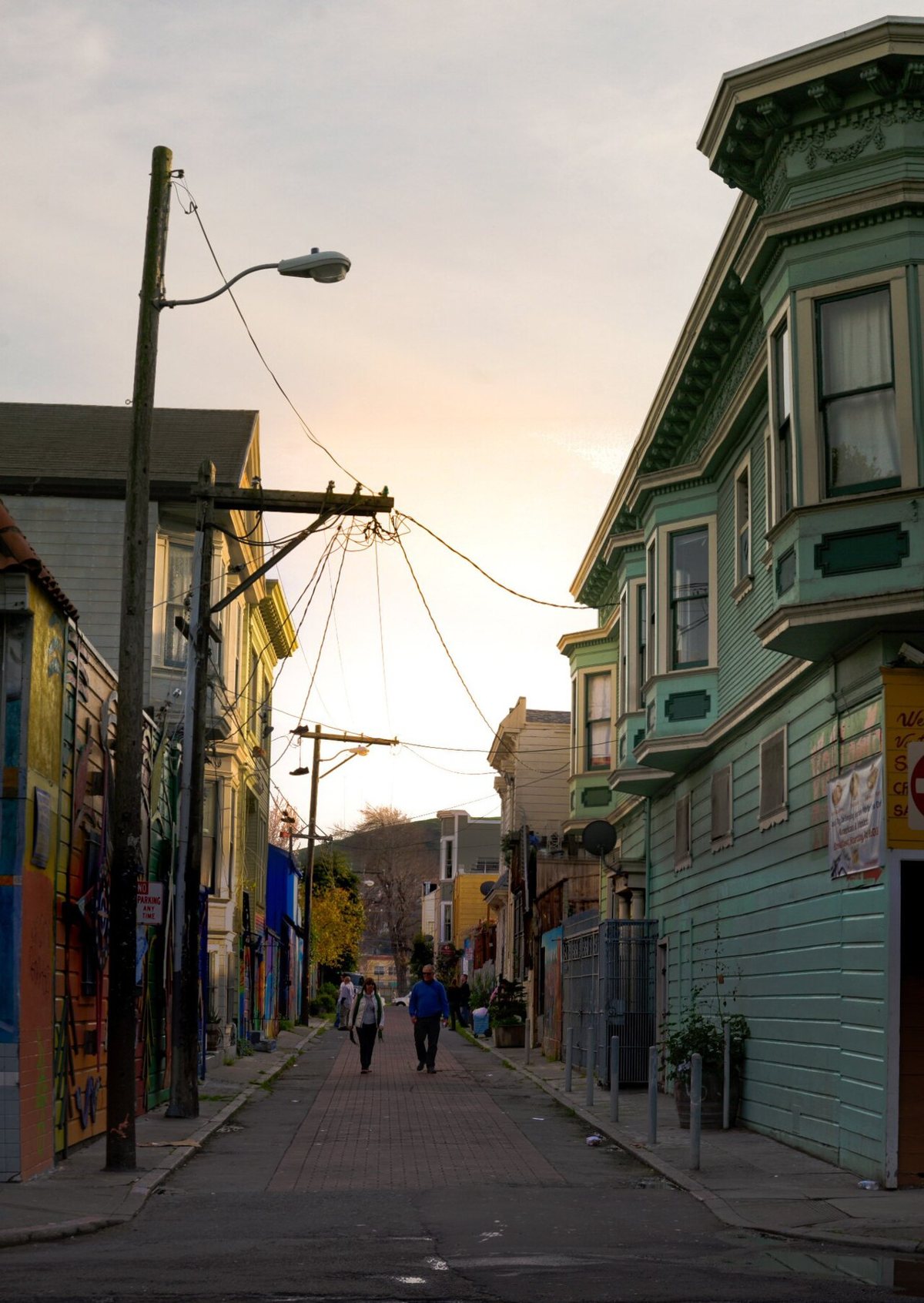
Balmy Alley, a narrow residential lane off 24th Street between Harrison and Treat, has been painted continuously since the early 1970s and became a coordinated mural project in 1984, when a group of local artists used the garage doors to protest U.S. policy in Central America. It's still active: murals get touched up, repainted, or replaced by new work addressing whatever the current moment demands, from immigration to gentrification to public health. Because it's a residential alley, the etiquette is simple: keep your voice down, don't block driveways, and remember that people live behind these doors.

Clarion Alley
Clarion Alley, between 17th and 18th off Valencia and Mission, is Balmy Alley's louder, more overtly political sibling. The Clarion Alley Mural Project has run continuously since 1992 and leans harder into explicit protest art and anti-gentrification messaging than Balmy's more narrative, community-history murals. The two alleys are close enough to walk between in fifteen minutes, and pairing them gives a real sense of the range covered by the phrase Mission mural: careful historical storytelling on one end, raw, fast-turnaround political statements painted over within weeks of a news cycle on the other.
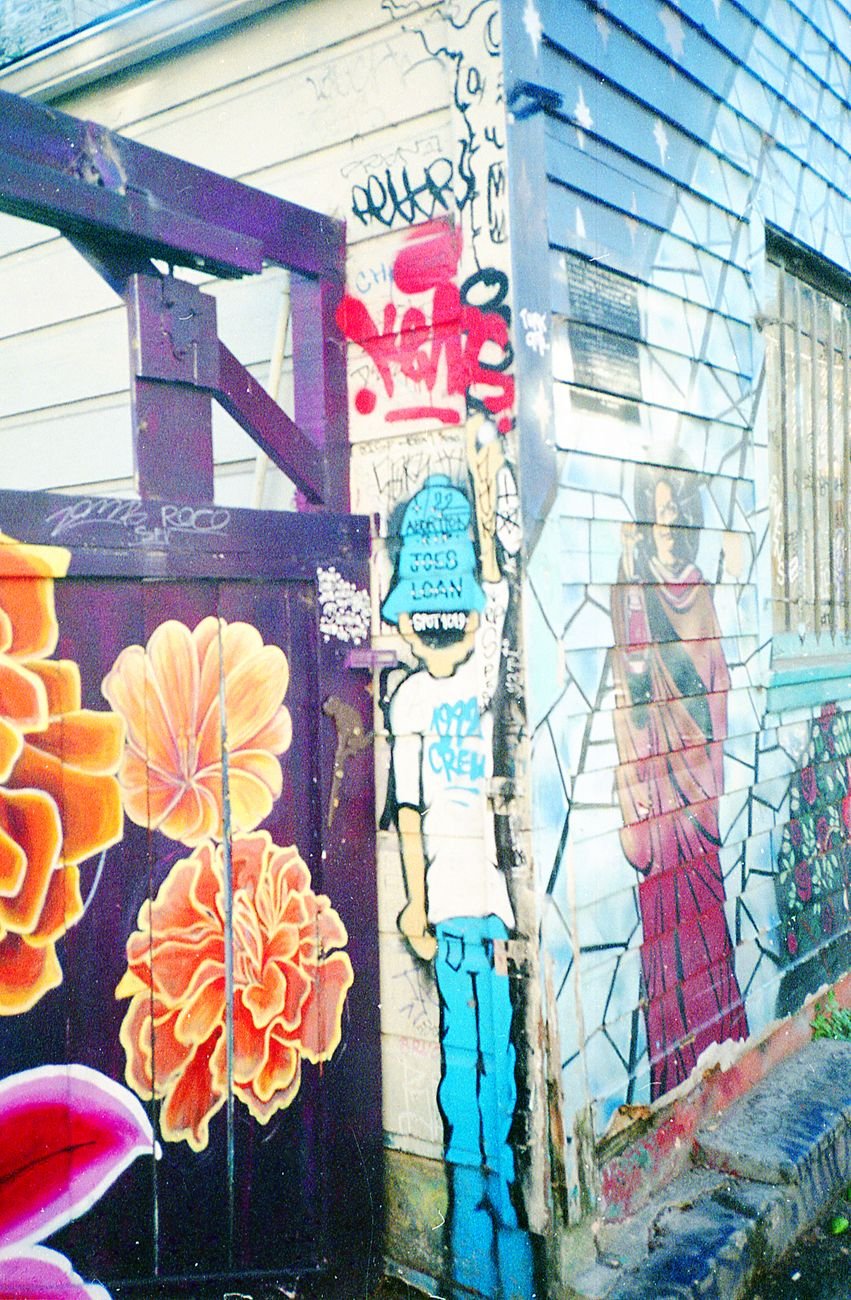
Balmy and Clarion get most of the attention, but they aren't the only walls worth seeing. Garage doors, laundromat sides, and school fences across the neighborhood carry murals, and a slow walk down side streets off Mission Street or Harrison turns up work that isn't on any map. A self-guided walk through a few of these side streets rewards patience more than a fixed itinerary does, since the collection changes as buildings get repainted, sold, or torn down entirely.
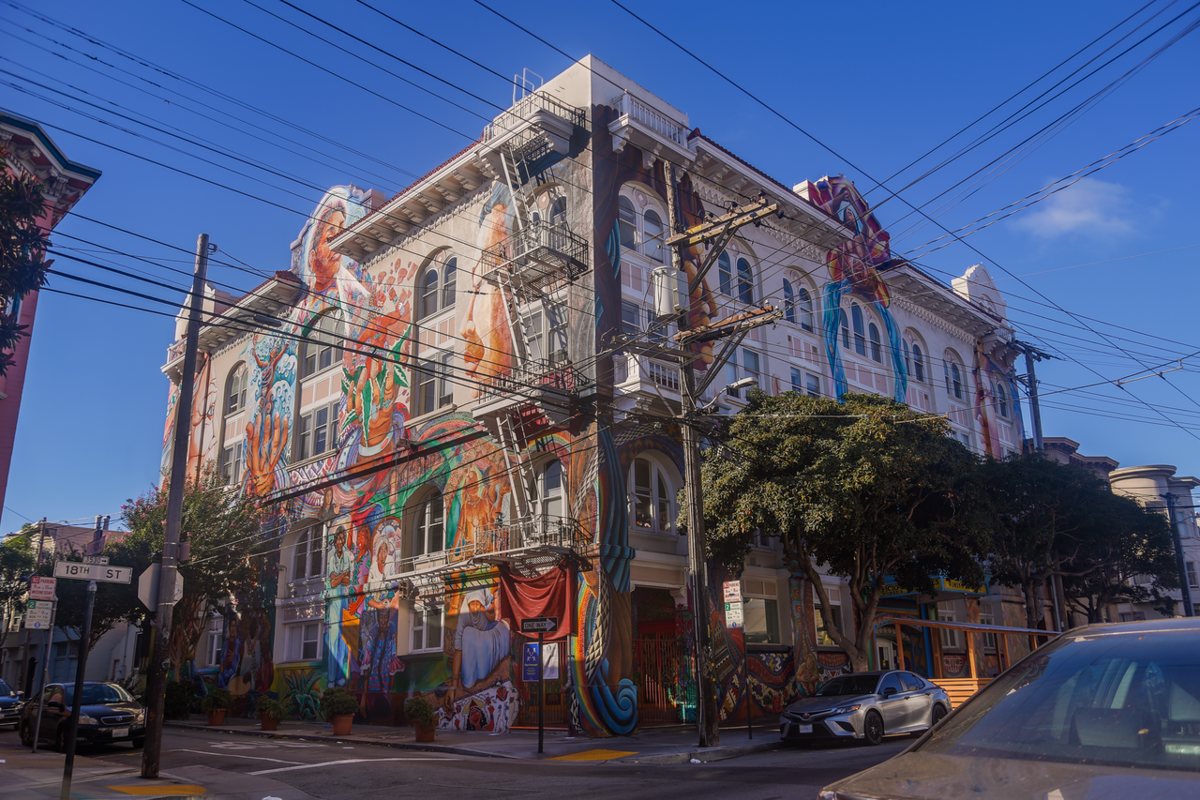
The Women's Building on 18th Street carries the neighborhood's best-known single mural, Maestrapeace, painted in 1994 by seven women artists across the entire facade. It depicts a lineage of historical and mythological women, from Rigoberta Menchu to Yemaya, and the building itself has operated as a women's community center since 1979, one of the first of its kind in the country. It's worth the short detour off 18th Street even if murals aren't otherwise your thing, because the scale of it, four stories, wrapping around a corner, is different from anything on Balmy or Clarion.

Dolores Park and Mission Dolores
Dolores Park sits at the edge of the neighborhood, where the Mission's flat grid runs into the hill toward Noe Valley, and it functions as the district's living room. On a sunny weekday the lower bowl of grass fills with blankets, portable speakers, and the informal economy of guys walking through with coolers of drinks and snacks. Weekends get considerably more crowded, and if you want the park at its calmest, a weekday morning before noon is the move; the light is good and the lawn hasn't filled in yet.
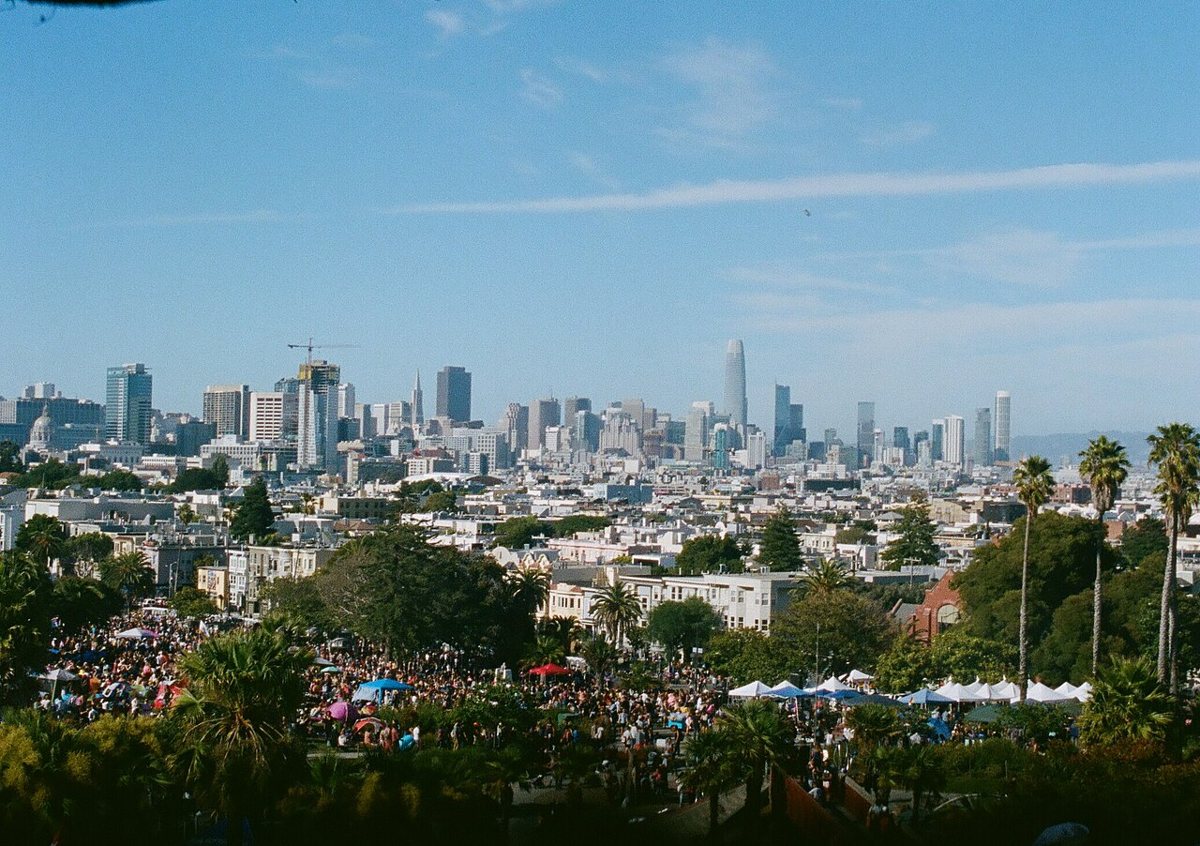

The park underwent a renovation completed in 2016 that added a new soccer field, a redesigned playground, and improved drainage, which locals mostly credit with keeping the lawn from turning to mud every winter. It's also, unavoidably, a symbol in the gentrification conversation: the same qualities that make it pleasant, cleanliness, upkeep, proximity to new development, are cited by longtime residents as evidence of a neighborhood being reshaped around newer, wealthier arrivals. Treat the park as what it is: genuinely one of the best public spaces in the city, and also a stage where that tension plays out in plain view most weekends.
Climb to the top of the park's hill, near 20th and Church, and the reward is a clean sightline across the Mission's rooftops to downtown's skyline and the bay beyond. It's one of the few spots in the city where you can watch fog roll over the hills to the west while standing in full sun, which is as good a one-image summary of the neighborhood's weather as exists anywhere in San Francisco.

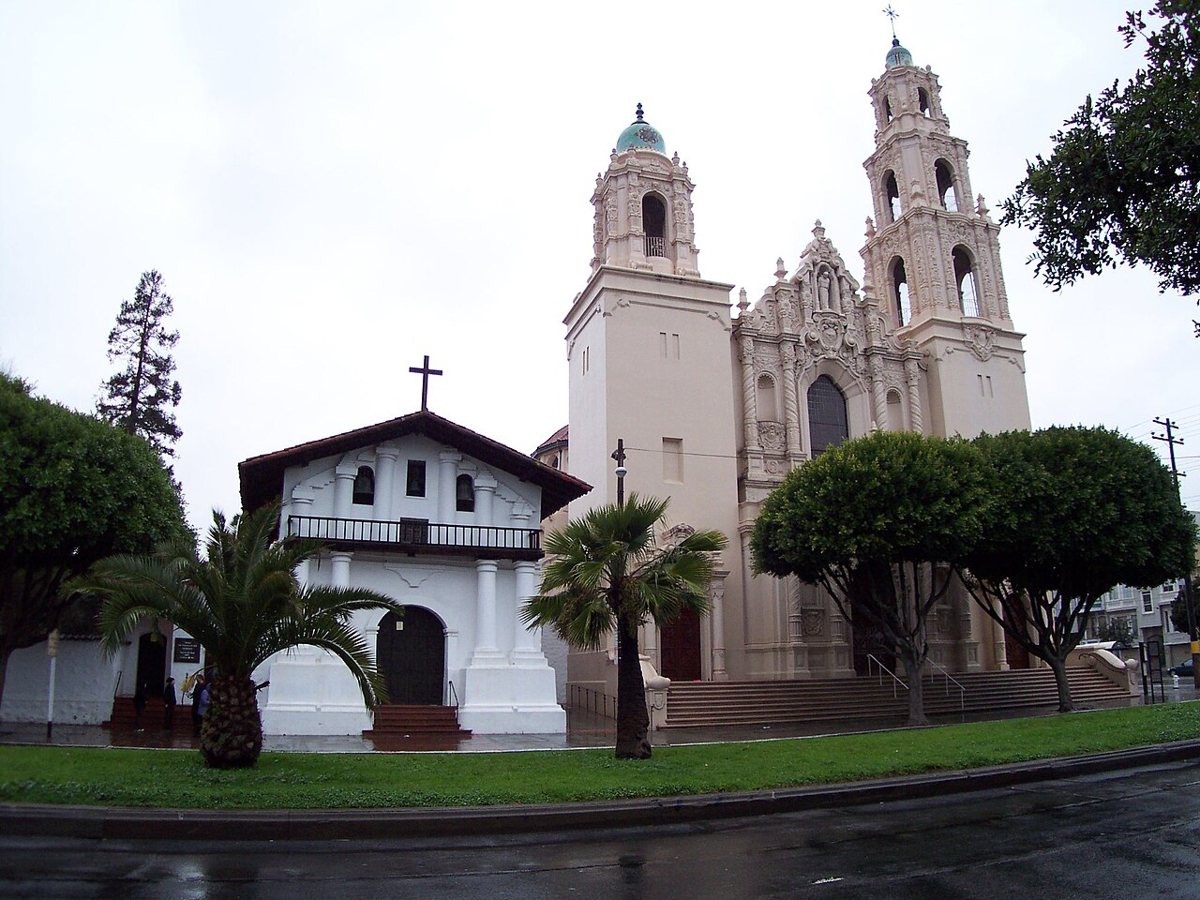
A block downhill, at 16th and Dolores, sits Mission Dolores, formally Mission San Francisco de Asis, founded in 1776 and the oldest standing building in the city. The adobe chapel survived the 1906 earthquake essentially intact while buildings around it collapsed, largely on account of its thick walls and simple construction. The complex includes a small museum, a basilica built alongside the original chapel in the early twentieth century, and a cemetery where early California settlers, and, more soberly, thousands of Native Americans who died from disease and forced labor under the mission system, are buried, most in unmarked graves. It's worth visiting with that history in mind rather than as a quick photo stop; the building's age is remarkable, and so is what it represents about how the region's Indigenous population was treated.

Eating: The Burrito Argument, Panaderias, and the New Wave
No guide to the Mission gets far without the burrito, and the burrito argument itself is close to a civic sport here. The Mission-style burrito, a flour tortilla steamed soft and wrapped around rice, beans, meat, salsa, and often sour cream and guacamole, foil included, was developed by Mission taquerias in the mid-twentieth century and has since spread across the country as a template, usually without much credit paid to where it started. Locals hold strong, specific, and often conflicting opinions about which taqueria does it best, and that argument is part of the point: there's no single correct answer, and anyone who claims otherwise hasn't eaten enough of them.
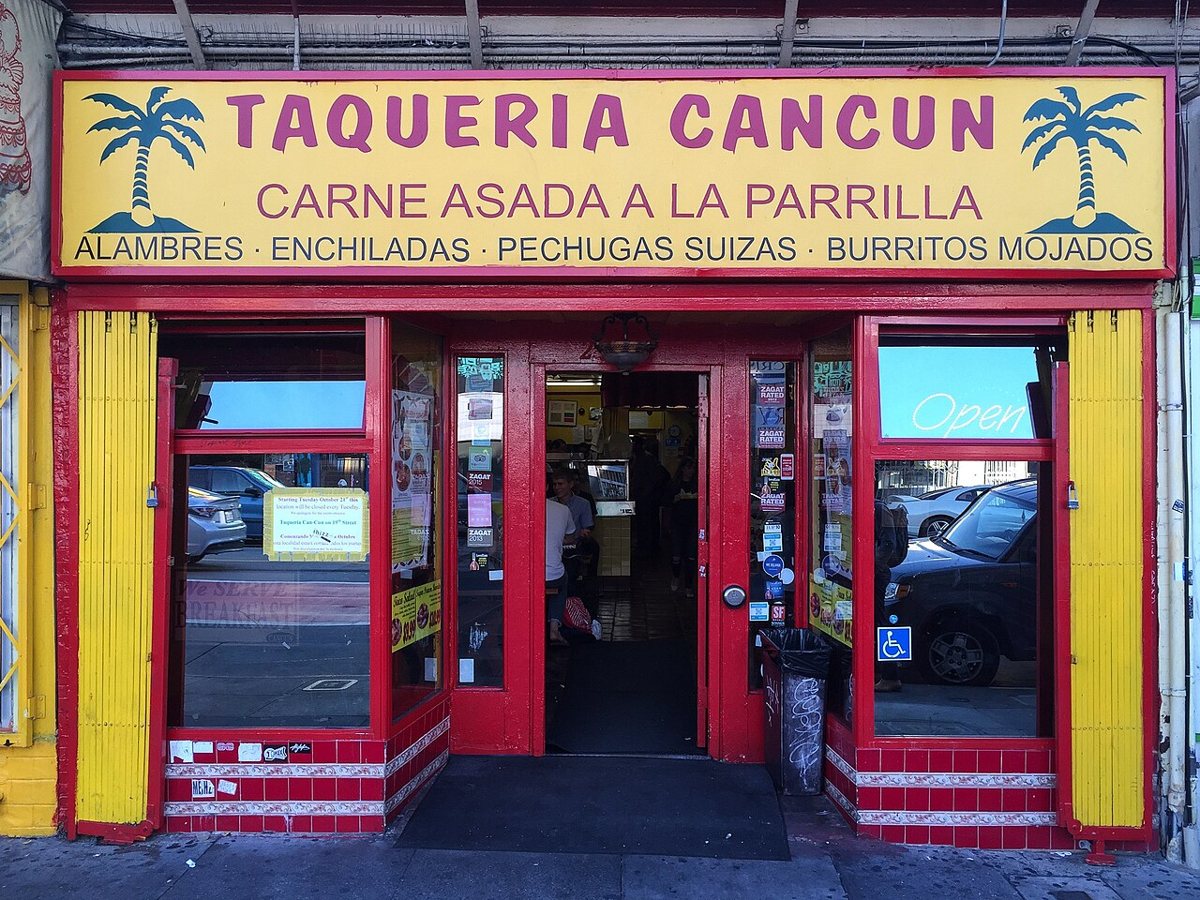

Beyond the burrito, the neighborhood's food scene runs on two tracks that don't always acknowledge each other. The first is the panaderias, taquerias, pupuserias, and Mexican and Central American groceries that have anchored 24th Street and Mission Street for decades, serving the neighborhood's Latino families at prices that reflect a working-class customer base. The second is a newer wave of higher-priced restaurants and bars, many opened in the past decade, catering more to newer, wealthier residents. Both can be worth your time, but conflating them, or assuming the second simply improved on the first, misreads what's actually happening on the ground. Check current hours before heading to any specific spot; small, family-run businesses in the Mission keep tighter and more variable schedules than chains do, and turnover on commercial blocks has been faster than most residents would like.
Valencia Street: Shopping, Bars, and Bookstores
Valencia Street, running roughly parallel to Mission Street a few blocks west, is the corridor most associated with the neighborhood's more recent identity: independent boutiques, design shops, bars with reservations-only counters two doors down from a decades-old dive, and a run of bookstores that punches well above its weight for a strip this size. It's walkable end to end in under half an hour, but plan for closer to two or three hours if you're actually browsing rather than passing through.
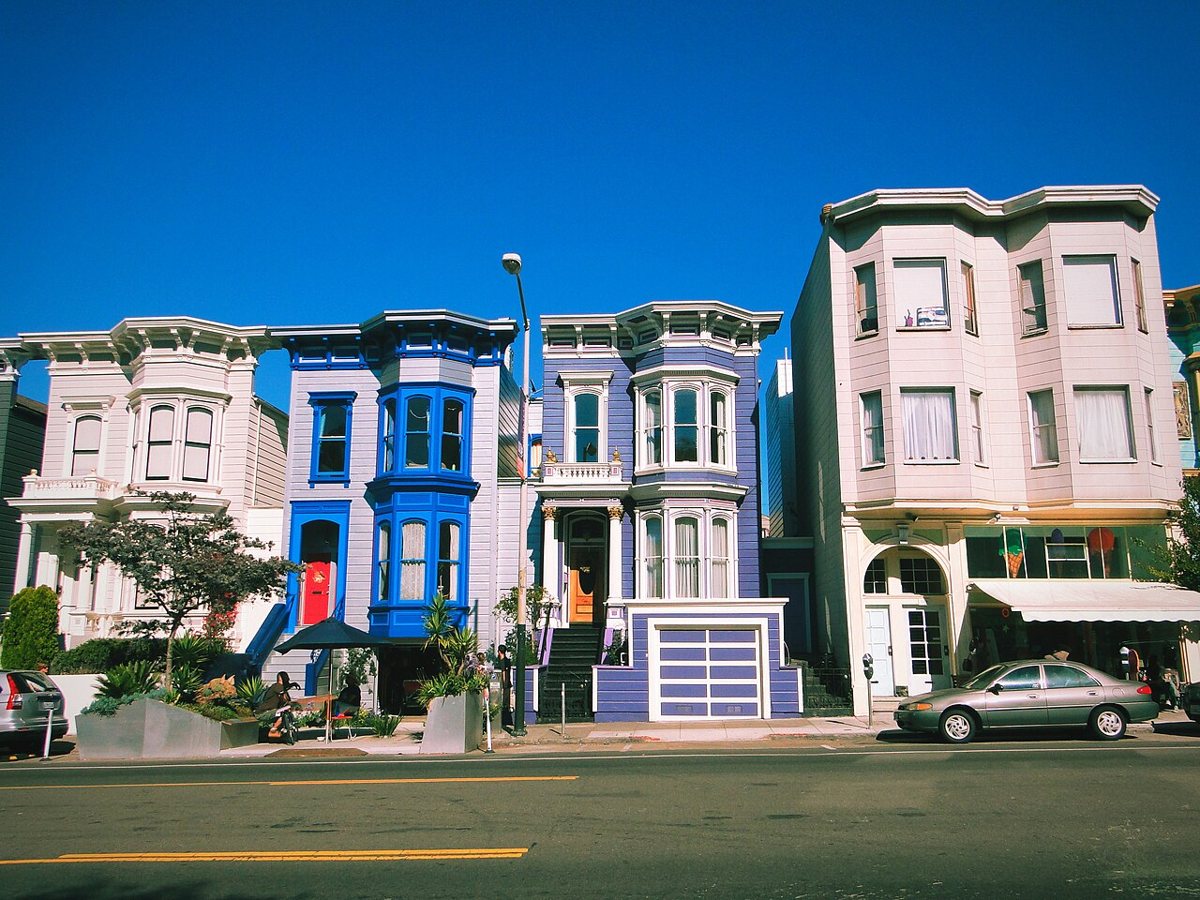

The street has its own gentrification history worth knowing before shopping there uncritically. Valencia was a comparatively rough corridor through the 1980s and into the 1990s, and its transformation into a boutique shopping street is often cited, fairly, as an early chapter of the broader pressure on Mission rents. That doesn't mean the current bookstores and shops aren't worth visiting; several are genuinely excellent, independent, and locally owned. It means the street's polish came at a cost to who could afford to be there, and that cost is still being paid a few blocks over on Mission Street, where rents are lower and the businesses look markedly different.
Nightlife and Live Music
After dark, the Mission splits roughly along Mission Street and Valencia Street again. Valencia's bars tend toward cocktail programs and later dinner service, while Mission Street holds onto a rougher mix: dive bars that have operated for decades, dance floors playing cumbia and reggaeton on weekends, and a handful of venues that book touring indie and local bands in rooms that hold a few hundred people. The Mission doesn't have the concentration of large venues that SoMa or the Fillmore corridor do, but the small-room shows here tend to be looser and less produced, which regulars generally prefer.
Weeknight crowds skew local; weekend crowds pull in from across the city and beyond. If you want a sense of the neighborhood as residents experience it day to day rather than as a destination, a Tuesday or Wednesday night out does more for that than a Saturday will.
Coffee
The Mission has more independent coffee shops per block than almost any other San Francisco neighborhood, a mix of small local roasters and outposts of shops that started elsewhere and picked the Mission because that's where the coffee culture already lived. Laptop-heavy during weekday mornings, especially near Valencia, and slower and more social on weekend afternoons. Seating is limited nearly everywhere, so treat a Mission coffee shop as a stop rather than an office if the place is even half full, which it usually is by mid-morning.
Getting There: BART and the Practical Stuff
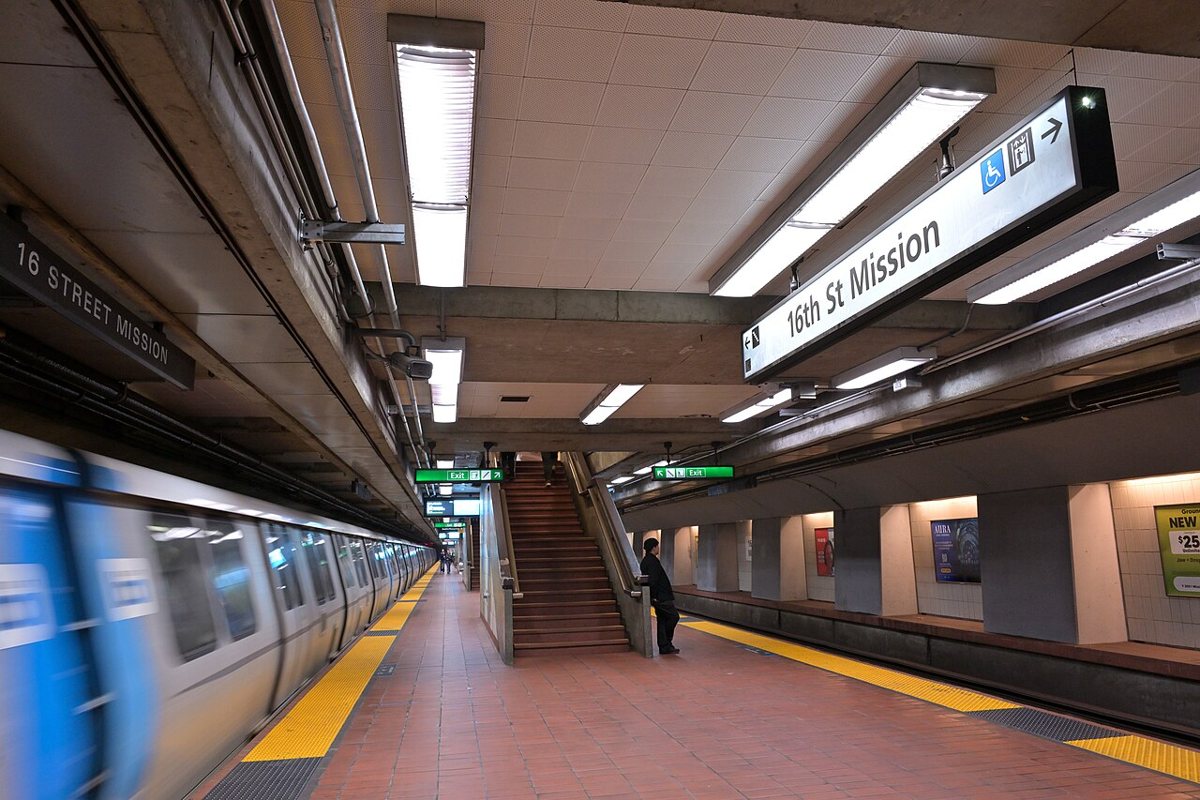
Two BART stations serve the neighborhood directly, both on Mission Street and both a short walk from most of what's described above. The 16th Street station puts you close to Valencia, Dolores Park, and Clarion Alley; the 24th Street station drops you into the heart of Calle 24 and close to Balmy Alley. Both stations sit at the center of some of the most visible homelessness and open drug use in the city, a reality that's part of daily life in the neighborhood and not something to route around or pretend isn't there. It's manageable in daylight and busier hours, and worth being alert to at night, the same as it would be in a comparable corridor of any major American city.
- 16th Street Mission BART: closest to Valencia Street, Dolores Park, and Clarion Alley
- 24th Street Mission BART: closest to Calle 24, Balmy Alley, and the panaderia and taqueria strip
- Muni bus lines run along both Mission and Valencia streets for shorter hops between stops

Parking is difficult and mostly metered or permit-restricted; BART, Muni, or a bike are all more practical than driving if you're spending the day. The neighborhood is flat and compact enough to cover most of these stops on foot from either BART station within a couple of hours, though giving it a full day, or two separate visits, lets you actually slow down instead of rushing the list.
What the Mission Gets Right, and What It's Still Fighting Over
The case for the Mission isn't complicated: better weather than almost anywhere else in the city, the deepest Latino cultural history in San Francisco, murals that function as a public archive of protest and memory, a park that earns the crowds it draws, and food that set a national standard decades before anyone thought to write about it. None of that is manufactured for visitors, and none of it needs embellishing.
What complicates it is what complicates most of this city right now: a fight over who gets to keep living here. The cultural district designation on 24th Street, the mural projects' explicit political content, the price gap between Mission Street and Valencia Street, all of it is evidence of a neighborhood actively defending itself against being smoothed into something more generic and more expensive. Spend a day here and you'll likely see both sides of that fight in the same afternoon, sometimes on the same block. That's not a flaw in the neighborhood. It's the neighborhood telling you the truth about itself, which is more than most parts of this city are willing to do.