Best Restaurants in San Francisco on a Budget: A Local's Guide
Eating well in the city for little has never been about a secret list; it is about knowing which neighborhood does which job best, and what the people who live there actually order.
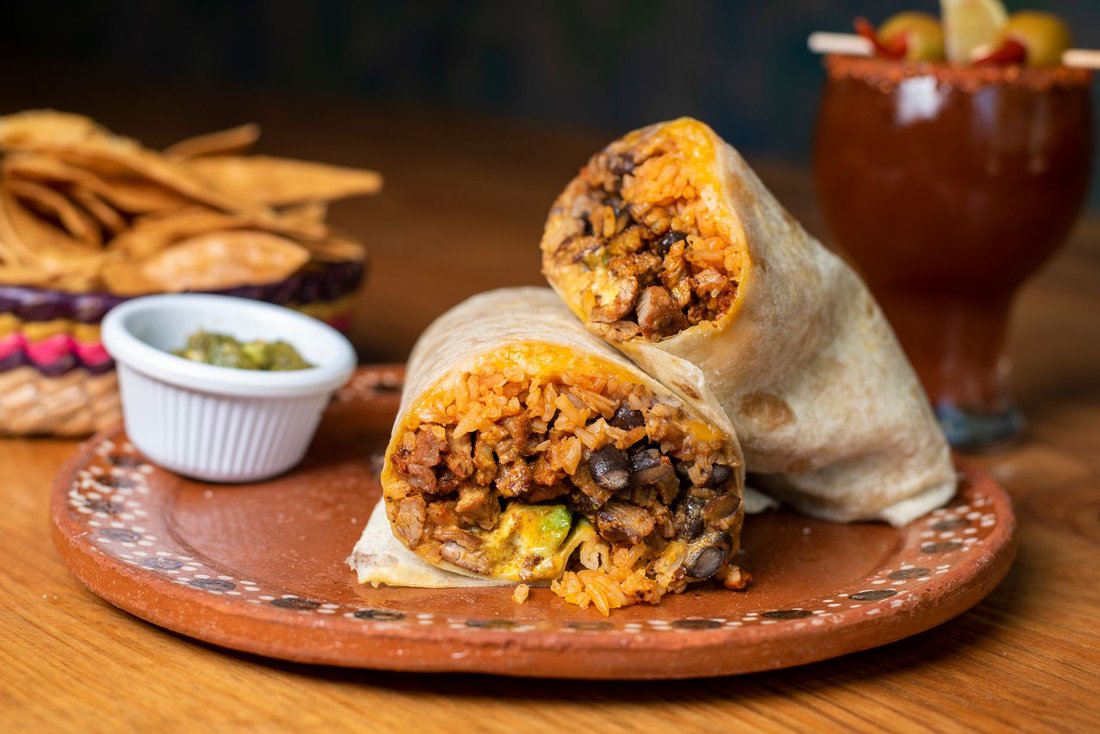
The foil on a Mission burrito does a quiet job. It holds the heat, stops the whole thing from collapsing, and turns rice and carne asada into a lunch you can carry down 24th Street while the fog slides over Bernal Hill. Anyone hunting for the best restaurants in San Francisco on a budget should start there, and then keep walking, because the city's cheap eating is a map of its neighborhoods rather than a ranked list.
Lists go stale. Rents move, owners retire, a lease ends and a counter that fed a block for decades turns into something with a leather banquette. What lasts is the logic of each neighborhood: what it cooks well, how it serves it, and where the line forms at noon. Learn that and you can eat well almost anywhere in the city without a single recommendation.
The best restaurants in San Francisco on a budget start with the neighborhood
Resist the urge to search for one perfect place. A cheap meal here is almost always the specialty of the area it sits in, made by people who cook it every day for the people who live nearby. The Mission does tortillas and griddles. The Richmond does steam and noodles. The Tenderloin does Vietnamese and Thai lunches that have fed office workers and residents for a long time. Order what the neighborhood is known for and you are rarely overcharged.
A good rule of thumb: if the menu is short, the room is plain and the counter is busy with regulars, you are probably in the right place. If the menu runs to four pages and a cocktail list, you are paying for the lease.
The Mission: tortillas, griddles and the long counter
The Mission's taqueria tradition is the closest thing the city has to a public utility. The best of it is unglamorous: a steam table, a flat-top, a cashier who has heard every order. Look for a place where the tortillas are warmed to order and the meat is chopped on a board in front of you. A foil-wrapped burrito is a full meal and often two, which is the real budget move: eat half now, half in the evening.
Do not stop at burritos. The neighborhood's Salvadoran pupuserias, its panaderias and its taco counters all reward the same approach. Order the thing that is cooked on the griddle in front of you, add a cold drink from the cooler, and sit wherever there is room. Take the long way home past the murals and you have spent an afternoon, not just a lunch.
The Richmond: dim sum, noodles and the weekday advantage
Out past Arguello, the Richmond is where working families, many of them Chinese and Russian, have shopped and eaten for generations. The bakeries open early and the noodle shops fill by the time school lets out. A dim sum lunch is the best value in the neighborhood if you do it right: go on a weekday, go with a few people, and share. Small plates add up quickly when you order alone and cheaply when you order together.
- Weekday mornings and early afternoons are calmer and often easier on the wallet than weekend crowds.
- Bakeries along Clement and Geary sell steamed and baked buns that make a decent lunch on the walk to the park.
- Soup noodles are the cold-weather answer: one bowl, one spoon, one warm hour out of the wind.
The Tenderloin, SoMa and the lunch economy
The Tenderloin is routinely described by people who have never eaten there. It is a dense, crowded neighborhood where many residents live in single rooms and eat out because they have nowhere to cook. That is exactly why its Vietnamese, Thai and Indian counters are so good and so reasonably priced: they serve people who watch every dollar. Treat it as a neighborhood with a food culture, not a backdrop, and spend your money there with a little respect.
SoMa runs on a different clock. Its lunch trade serves office workers, and the best cheap meals are the quick ones: a sandwich counter, a noodle bar, a food hall stall that does one thing. The tell is a lunch line that moves fast and a menu that has not changed in years. If the place seems designed for a company offsite, keep walking.
Markets, bakeries and the art of grazing
The Ferry Building Farmers Market is a Saturday habit for many locals, and the way to do it cheaply is to graze instead of sit down: a pastry, a piece of fruit, a bit of cheese, something hot from a stall. Bring a bag and eat standing up by the water. Dungeness crab season, which arrives in the cooler months, is a splurge by nature, but even then the sensible move is to buy crab from a market and eat it at home rather than order a crab dinner out.
Sourdough is the other cheap pleasure. A loaf from a neighborhood bakery, a bit of butter and a bowl of soup from the corner shop will do for dinner on a foggy night, and the Buena Vista's Irish coffee, still poured at the bar on a long afternoon, is a fair way to spend whatever you saved.
What cheap costs the city
It is worth saying plainly that the inexpensive restaurant is under pressure. Commercial rents, labor costs and the housing crisis that makes it hard for cooks and servers to live in the city have thinned out the places that once fed everyone. The same forces push people onto the sidewalks of the neighborhoods tourists are told to avoid. Spending your money in a family-run spot, tipping well, and paying in a way that keeps the place afloat is not charity. It is how these restaurants survive.
So the real guide to the best restaurants in San Francisco on a budget is a habit, not a roster. Eat where the neighborhood eats, order its specialty, and take half of it home for later. Do that in the Mission, the Richmond or the Tenderloin and you will eat better than most people who spend three times as much, and you will leave the city's small kitchens a little better off.