Best New Restaurants in San Francisco: A Local's Guide
Forget the year-end lists. Here's how a longtime local actually finds where to eat next, neighborhood by neighborhood, before the wait times catch up.
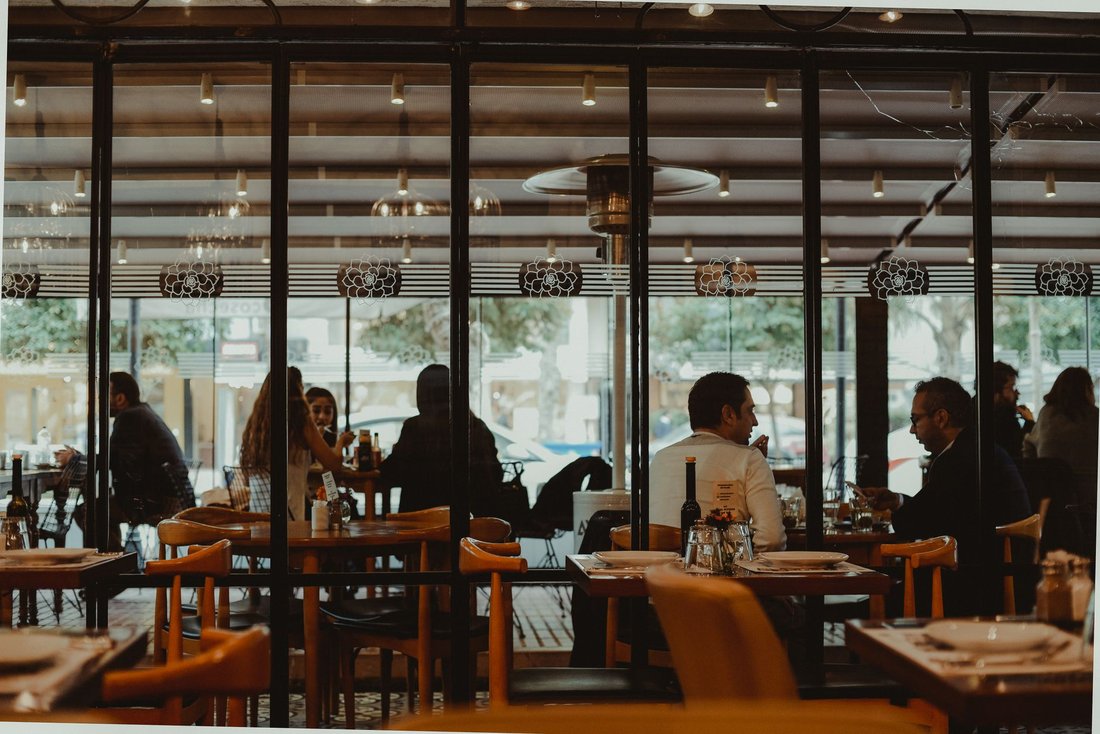
The plywood goes up first. A storefront on a fog-damp block sits dark for a few weeks, a hand-lettered notice taped to the glass, and then one night the lights are on and there's a line of people in fleece jackets checking their phones for a table that doesn't exist yet on any reservation app. That's usually the first sign. Finding the best new restaurants in San Francisco rarely means consulting a single definitive roundup. It means paying attention to which blocks are quietly turning over, and knowing that the good ones tend to announce themselves through a crowd before they announce themselves through a critic.
This city doesn't run out of new restaurants. It runs out of parking, and patience for six-week reservation windows, but never new restaurants. The harder skill is knowing where to look and how to read an opening before it either becomes impossible to book or quietly closes, which happens here with a regularity that keeps everyone a little humble.
Best New Restaurants in San Francisco: Where the Energy Is Right Now
Four neighborhoods carry most of the current wave, and each has its own logic. The Mission still produces the highest concentration of openings, because rents there, brutal as they are, remain more survivable than SoMa or Hayes Valley, and because the neighborhood's own cooking culture, from taquerias slinging a Mission burrito to old-school Latin American kitchens that have fed the neighborhood for decades, gives new chefs something to answer to. A new wine bar or tasting counter on 24th or Valencia is rarely operating in a vacuum. It's in conversation with everything already there.
The Richmond, meanwhile, keeps proving that some of the most technically serious cooking in the city has nothing to do with white tablecloths. Regional Chinese cooking, particularly out of Sichuan, Hunan, and other provinces that used to be hard to find represented with any specificity, has expanded well past the Clement Street strip most visitors know. Anyone building a list of new places worth a trip out to the avenues should be tracking these openings as closely as anything downtown, and pairing a weeknight dinner there with a weekend dim sum brunch remains one of the smarter ways to eat in this city.
SoMa's new restaurants split into two camps: ambitious rooms chasing a tasting-menu crowd with money to spend, often backed by groups with more than one property in the city, and a smaller number of scrappy counter-service spots feeding the neighborhood's arts and nightlife crowd late. Hayes Valley continues to behave like the city's rehearsal space for chefs stepping out on their own after years in someone else's kitchen, which makes it worth watching even when a given storefront looks too small to matter.
What's Actually Shaping the Current Scene
A few forces explain almost everything opening this year.
Natural wine as the organizing principle
Low-intervention wine lists have stopped being a novelty and started functioning as a business model. A lot of the most interesting new rooms are wine bars first and kitchens second, with a tight menu that changes weekly to match whatever's on the list rather than the other way around. If a new spot describes itself primarily by its wine program, that's usually a signal the kitchen is being run by people who care.
Cal-Asian as the default, not the trend
The blending of Californian produce-driven cooking with technique and flavor from Cantonese, Japanese, Filipino, and Korean kitchens isn't a passing wave anymore. It's simply how a lot of chefs here cook now, regardless of what a menu calls itself. New openings that lean into this tend to age better than ones chasing a single, more novel gimmick.
Tasting menu ambition versus the neighborhood spot
There's a real split between restaurants built around a chef's tasting-menu vision, usually with a price tag and a reservation window to match, and restaurants built to be somebody's Tuesday night place. Both categories can produce excellent new restaurants. The mistake is judging a neighborhood spot by tasting-menu standards, or expecting a tasting counter to feel casual. Know which one you're walking into before you sit down.
How to Spot a Great Opening Before Everyone Else Does
- Watch where chefs land after a well-regarded kitchen closes or a sous chef finally goes out on their own. Local food writers and neighborhood association newsletters usually report this before it's official.
- Give a new place at least a month before judging it. The first two weeks are often a soft opening in everything but name, with a kitchen still finding its rhythm.
- Book directly through a restaurant's own site or a phone call when a place is brand new. Third-party apps lag behind, and the best availability often sits with the restaurant itself in the early weeks.
- Ask for a walk-in window. Many new restaurants, especially smaller ones, hold back a portion of seats or bar seats for people who show up rather than book online.
- Follow the neighborhood, not just the chef. A promising opening on a strong block, surrounded by other serious kitchens, tends to have staying power that an isolated destination restaurant doesn't.
What to Order at a New Restaurant
Order whatever the kitchen clearly built the menu around, not the safest-sounding dish on the page. A new restaurant's identity usually shows up in one or two dishes that reveal what the chef actually wants to be doing, often a vegetable dish, a whole fish, or a single starch-based dish treated with more care than the category usually gets. At a natural wine-forward spot, let the list drive the order rather than the other way around, and ask staff what they're excited about that week rather than what's popular. At a Richmond regional Chinese kitchen, resist defaulting to the dishes you already know from other restaurants and ask what's specific to that particular province's cooking. At a tasting-menu room, trust the pacing rather than trying to guess which course to skip.
None of this replaces the oldest method, which still works better than any list: talk to the people who work in the industry here, because they eat out constantly and they know which new kitchen is worth the wait before anyone's written it up. The city keeps changing storefronts. It has not, so far, run out of people willing to bet everything on a new one.