Where to Eat in the Mission, Tried and Tested
The Mission feeds you on its own terms, from foil-wrapped burritos eaten standing on the sidewalk to the natural wine bars that have moved into its Victorian storefronts.
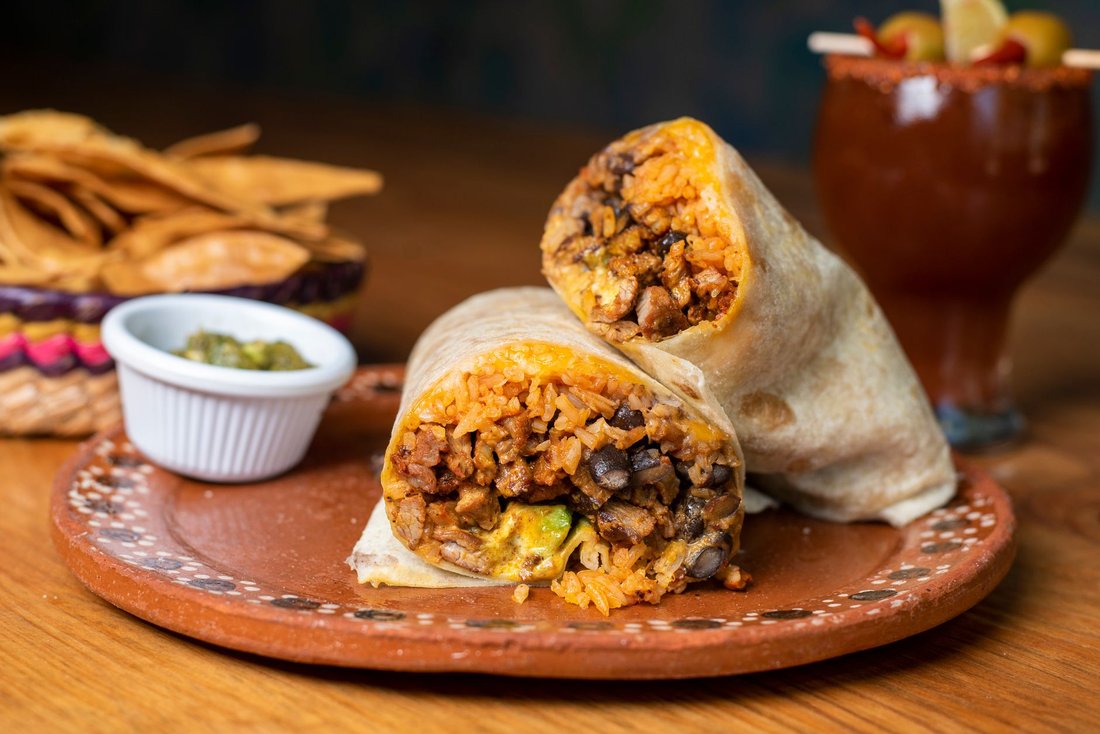
On a Tuesday afternoon, the line at a good Mission taqueria doesn't move fast, and nobody expects it to. The man ahead of you is ordering in Spanish, the woman behind you is on her phone, and the smell of carnitas rendering somewhere in the back is doing what it always does, making you forget you had somewhere else to be. This is where to eat in the Mission, if you want it straight: not a polished dining district, not a food hall, but a neighborhood where the kitchen has always been political, whether it meant feeding families on tight budgets or surviving successive waves of displacement.
Where to Eat in the Mission: Start with What the Neighborhood Built
The Mission's food identity starts with its Latino roots, and the taqueria is the institution that holds that identity in place. Tacos, burritos, tortas are not novelty here. The Mission burrito specifically is a style: foil-wrapped, rice inside, fat enough that eating it while walking is a commitment. Order carnitas, al pastor, or carne asada. The tortilla should be fresh, the salsa made in-house. These are the standards, and any taqueria worth standing in line at will meet them. If you find yourself at one that charges fifteen dollars and offers a choice of six global proteins, trust your instincts.
Panaderías anchor the weekend mornings. A good one will have conchas in the window before eight, and a line of people buying bolillos and pan dulce to take home. The coffee is usually drip, the prices are low, and the fluorescent lighting is non-negotiable. Breakfast in the Mission at its most functional and most honest.
The New Layer: What Has Changed and What That Means
The last fifteen years deposited a new stratum of restaurants onto the Mission's food geography. Small-plate restaurants, natural wine bars, wood-fired spots, and tasting menus now occupy storefronts that once held laundromats, corner markets, and cheaper restaurants whose owners were priced out by rising rents. None of this is a secret, and writing about Mission food without acknowledging it would be a disservice to anyone who has watched it happen from inside the neighborhood.
That said, the newer restaurants are not monolithic. Some arrived with a sensitivity to their context and priced their menus accordingly, at least at lunch. Others are straightforwardly expensive and know it. The natural wine scene in particular has taken real hold. The Mission now has several bars where you can drink orange wine and eat small plates of dressed vegetables in rooms that feel like they were designed to feel accidentally cool. Whether that is your scene is a personal matter. The food at the better ones is genuinely good.
The practical effect for the person who wants to eat well across price points is that the Mission rewards patience and willingness to read the room. The $2 taco and the $28 crudo can coexist on the same block, and they do.
Dolores Park and the Street-Food Economy
On a weekend when the fog has lifted, and this matters, because the Mission sits in a fog shadow and gets more sun than most of the city, Dolores Park becomes an informal food economy of its own. Vendors circulate with paletas, fresh fruit with chili and lime, elote. None of this is new. It is a good reason to plan your eating around a park afternoon, arriving already slightly hungry.
The blocks around the park skew toward brunch, and brunch in this part of the Mission can mean anything from a Mexican breakfast plate of eggs, beans, and fresh tortillas to the kind of slow-poured coffee that takes four minutes to prepare. Both have their adherents, and neither is wrong.
How to Eat Well Here Without Getting It Wrong
- For a proper burrito, go where the line is longest and the menu is shortest. If there are too many options, move on.
- Lunch is often the best value at the newer restaurants. Dinner prices reflect the dinner audience.
- The Mission's panaderías and taquerias are mostly cash-friendly and expect it. ATMs are easy to find.
- Natural wine bars tend to open late afternoon. Go early if you want a seat that isn't a stool at the bar.
- For dim sum and more traditional Chinese food, the Richmond is closer than you think and more consistent than you might expect, but within the Mission, the food is Latin and that is what to eat.
- Do not order a breakfast burrito and expect it to be light. This is not that kind of neighborhood.
The Streets Worth Walking
Valencia Street is the one most visitors find first, and it has shifted the most. Twenty-fourth Street, running east from Valencia toward Mission Street, is where the older commercial fabric is denser, with more Spanish-language signage, more taquerias, more of the neighborhood's working texture. If you want to understand what the Mission has been and what it is still fighting to remain, walk from Valencia to Mission Street along Twenty-fourth and let the block tell you.
Mission Street itself is not a restaurant destination in the way travel pieces describe it, but it has pupuserías and Mexican bakeries and the kind of cheap, reliable lunch spots that have outlasted every trend cycle precisely because they are not trying to be anything other than what they are.
A Word on Timing
The Mission eats late by San Francisco standards. Dinner service at the newer restaurants runs past ten on weekends. The taquerias keep their own hours, often open until the early morning on Fridays and Saturdays. Plan accordingly, and do not show up at seven expecting to walk into the best spot on the block without a wait.
There is a version of a Mission food guide that tells you the city has changed and then gives you a list of places to spend money and move on. This is not that. The neighborhood's food is worth understanding on its own terms: a proper Mission burrito eaten on the sidewalk is one of the better things the city produces, and the new restaurants that are doing honest work have earned their place alongside it. What you owe the Mission, as someone coming to eat, is attention to what you are actually in: not a dining district, but a neighborhood that feeds itself first and visitors on the side. Show up accordingly, and it will take care of you.
One honest closing note: the best meal you have in the Mission will probably not be the most expensive one. That has always been true here, and the fact that it remains true, despite everything, is worth something. For more on eating your way across the city, see our guide to San Francisco's distinct food neighborhoods.