Best Italian in the Mission, Tried and Tested
The Mission is not where you expect to find serious Italian food, which is exactly why you should look there.
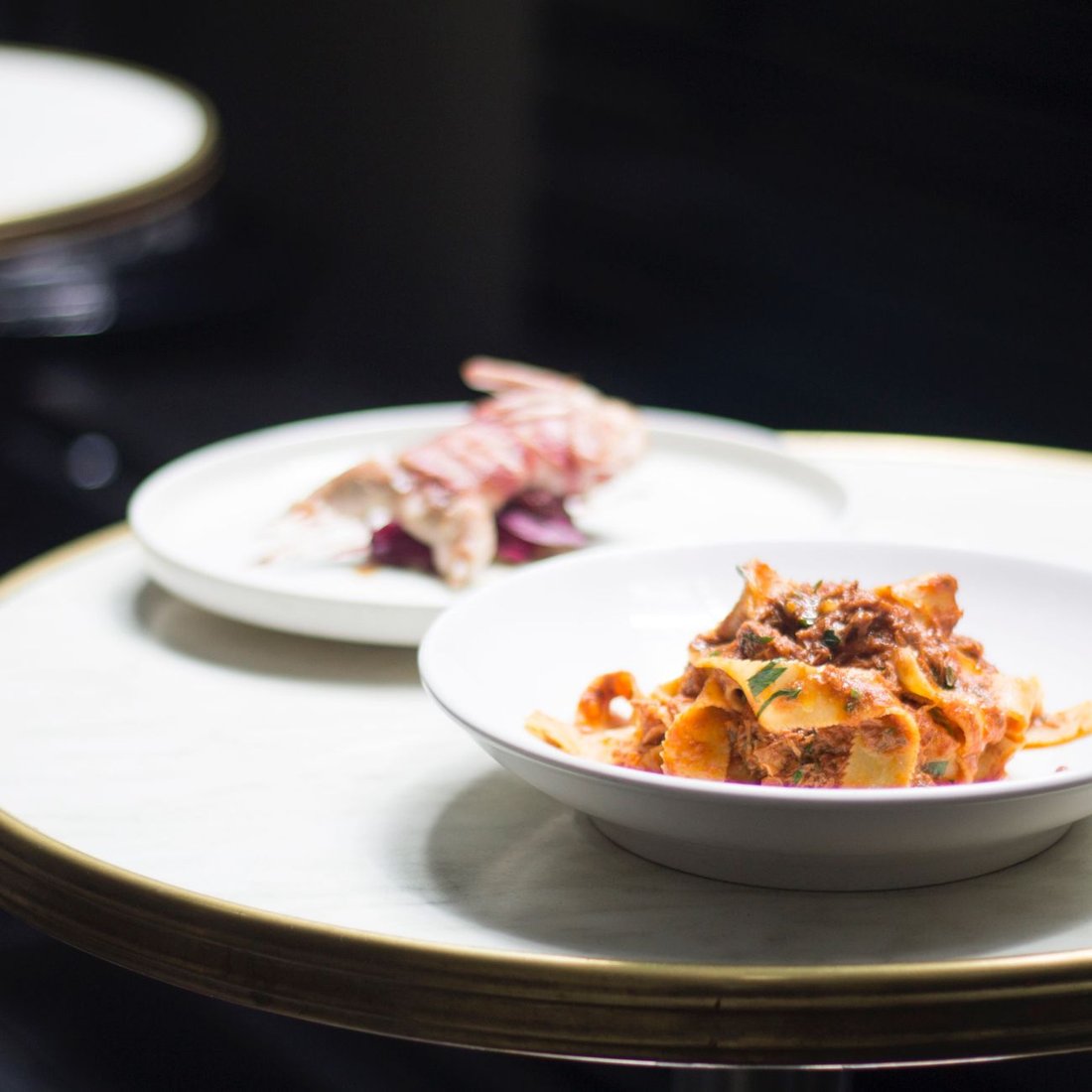
The fog was sitting low on Valencia Street the evening a friend ordered osso buco two blocks from a taqueria and declared it the best thing he had eaten all year. He was not being ironic. That is the Mission in 2026: a neighborhood where the best italian in the mission competes on the same block with housemade tortillas and third-wave coffee, and somehow none of it feels incongruous.
Italian food has always had a quieter presence in the Mission than the taqueria tradition that rightly defines the neighborhood's culinary identity. But quiet does not mean absent. The restaurants that do Italian here tend to do it with a particular attitude: less red-checkered tablecloth nostalgia, more attention to where the vegetables came from and whether the pasta was rolled that afternoon. The dining culture of the Mission rewards that kind of seriousness, partly because the neighborhood has always had a strong working-class relationship with food as something made carefully rather than bought conveniently.
What Sets the Best Italian in the Mission Apart
Walk enough of the neighborhood and you notice a pattern. The Italian spots that earn return visits share a few qualities that have nothing to do with ambiance or price point. The pasta is made in-house or sourced from someone who takes it seriously. The wine list leans toward natural and Italian regional, because this is still San Francisco and that is just the baseline expectation now. The menu is short enough that you believe the kitchen can execute all of it well.
Portion size is not the point here the way it might be in a red-sauce institution in the Sunset or on the peninsula. Mission Italian tends toward the Roman trattoria model: smaller plates, sharper flavors, an assumption that you will order two or three things rather than one enormous entree and go home grateful but immobile. This suits the neighborhood. People in the Mission eat late and drink slowly and stay.
The other tell is the sourcing conversation. Restaurants that are serious about Italian food in this city have a relationship with the Ferry Building farmers market — not as a novelty but as a supply chain. Seasonal ingredients matter in Italian cooking in a way that makes the proximity of good California produce genuinely useful rather than merely decorative. Stone fruit in summer, squash in fall, the brief window of local Dungeness crab in winter: these cycle through the better pasta menus the way they cycle through the better Italian regional kitchens in Emilia or Liguria.
What to Order, and How to Think About It
A few categories are worth prioritizing when you sit down. Pasta first, always. A confident kitchen shows it in how they handle cacio e pepe or a simple ragù, dishes with nowhere to hide. Look at how the sauce coats the noodle. If it slides off or pools at the bottom of the bowl, something went wrong. It should cling.
Secondi are where a lot of Mission Italian restaurants make their case for a second visit. Braised meats, a well-executed piece of fish, the occasional offal preparation for those willing to go there. The neighborhood's general comfort with bold flavor means kitchens are less likely to sand off the edges to appeal to the cautious. A good sign.
Dessert is often where the Italian tradition and the California instinct come apart, for better or worse. Tiramisu made with good local eggs and decent espresso is a specific pleasure. When a restaurant instead offers something house-fermented or fruit-forward and calls it dessert, that is also fine, but it tells you something about where the kitchen's loyalties actually lie.
For a neighborhood context, it helps to know that the Mission has a strong burrito tradition running alongside all of this — which means the Italian restaurants here exist in genuine competition with other serious food, not in a vacuum. The pressure tends to keep standards honest.
The Mission Dining Character You Should Know Before You Go
Reservations are worth making. The neighborhood has gentrified enough that the better small restaurants fill on weekday evenings, not just weekends. The rooms tend to be loud — exposed brick, hard floors, the general SF unwillingness to install acoustic panels anywhere — so plan accordingly if that matters to you.
Service in the Mission Italian style is usually knowledgeable without being formal. Staff who can talk about the wine list with some precision are common. Tipping culture remains what it is in the city: 20 percent is the floor, not the ceiling, at a place doing thoughtful work.
Parking is the same problem it is everywhere in the Mission. BART to 16th Street or 24th Street, or accept that you will circle for twenty minutes and arrive slightly annoyed. Neither experience changes the food.
One more thing worth knowing: the Mission's Italian restaurants tend to be independent. Small ownership groups, chef-driven projects, the kind of places where someone has a personal stake in whether you come back. That is not a guarantee of quality, but it is a structure that tends to produce cooking with a point of view. The neighborhood's long-running restaurant scene has always rewarded that kind of investment over the chain logic that hollowed out other parts of the city.
How to Choose on Any Given Night
- Check whether the menu changes seasonally or weekly. A static menu in a small kitchen is a yellow flag.
- Look at the pasta section first. When it runs longer than five or six options, ask whether the kitchen can actually execute all of them well on a busy Saturday.
- The wine list should have at least a few Italian regional bottles. A list that is entirely California or France at an Italian restaurant suggests the food and drink programs are not talking to each other.
- Noise level is real information. If you want to have a conversation, check recent reviews for sound complaints before booking.
The Mission will always be, first and most honestly, a neighborhood of taquerias and murals and the particular kind of community feeling that eighteen years of living there teaches you to recognize and fear losing. Italian food exists here not as an intrusion but as evidence of the neighborhood's actual complexity — the way a place can hold multiple food traditions without any of them canceling the others out. The best meal you have on Valencia Street might involve pasta. It might involve a carnitas burrito eaten standing up at the counter. The fog does not care either way.