Best Parks in San Francisco for 2026
From bison paddocks to hang-glider bluffs, a working map of the city's green spaces, organized by what you actually go there to do.
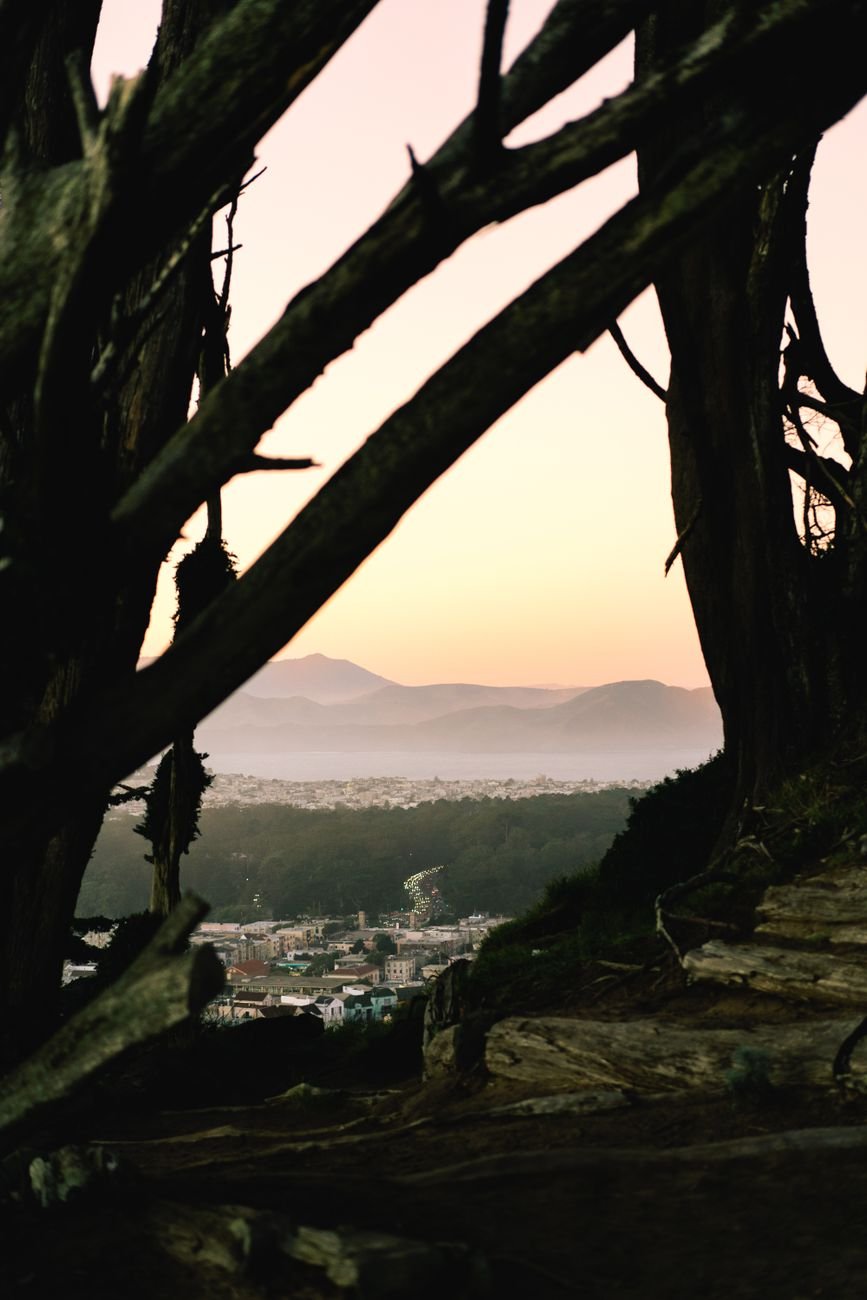
Six-forty on a Tuesday morning and the tennis courts at Dolores Park are already claimed, the dog people are out with coffee from the corner store on 18th, and somebody has staked a blanket on the slope facing downtown for a picnic that won't happen for hours. This is not a park behaving the way parks are supposed to behave. That's the thing about the best parks in San Francisco: they don't agree on what a park is for, and the city is better for it. Some of them are engineered Victorian fantasias with buffalo in them. Some are just a hillside somebody never got around to building on. This guide covers both kinds, plus everything in between, organized by what you're actually going there to do rather than by some tidy alphabetical list that pretends Corona Heights and Golden Gate Park have anything in common.
What follows is not a countdown. It's a working map, assembled the way a local actually uses these spaces: for exercise, for a view, for a nap, for the fog to do something to your mood that a therapist would charge for.
The big ones: where you'll spend a whole afternoon
These are the parks with enough square footage and enough going on that you don't just visit, you disappear into them for hours and still miss half of what's there.
Golden Gate Park
Golden Gate Park is bigger than Central Park and stranger, a three-mile ribbon of reclaimed sand dune that somehow holds a Japanese tea garden, a herd of bison, a bandshell, the de Young and the California Academy of Sciences, fly-casting pools, and a windmill that used to pump water for the whole place. Nobody sees all of it in one visit and most residents have a favorite quadrant they never leave: the east end near the museums, the middle stretch around Stow Lake, or the wilder, foggier west end toward the ocean where the crowds thin out fast. Ride a bike down the car-free stretch of JFK Drive, rent a paddleboat on Stow Lake, or just walk until the eucalyptus smell replaces every other thought in your head. The insider move is to enter from the west side near the buffalo paddock, which almost nobody does, and work your way east so the park reveals itself instead of overwhelming you at the entrance. It spans the western half of the city, touching several neighborhoods.

The Presidio
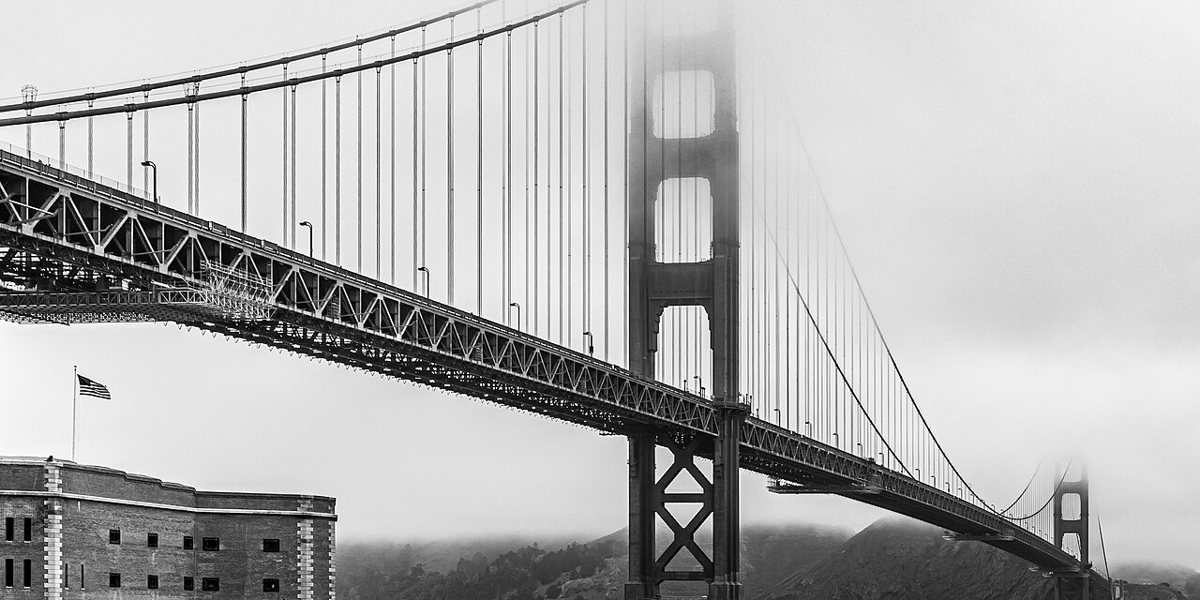
The Presidio spent more than a century as an Army post before it became parkland, and you can still feel that history in the officers' quarters and the old parade ground, now mostly repurposed for picnics and the occasional outdoor movie. It's less a single park than a small forested district with its own cafes, a bowling alley, and enough trail mileage to spend a full weekend without repeating a path. The main draw for most people is Crissy Field, technically part of the Presidio, but the interior forest deserves equal billing: a network of trails under Monterey cypress and eucalyptus that feels closer to Mendocino than to a city neighborhood. Do the Ecology Trail up to the Inspiration Point overlook for a Golden Gate Bridge view most tourists never find. The tip locals pass along is to park in one of the less obvious lots off Arguello and walk in, because the main entrances near the bridge clog up fast on weekends. You'll find it on the northern waterfront, west of the Marina.

McLaren Park
McLaren Park is the second-largest park in the city and the one most visitors have never heard of, which is precisely its appeal to the people who live near it. Rolling grassland, eucalyptus groves, a reservoir, an amphitheater that hosts summer shows, and enough undeveloped hillside that you can walk for twenty minutes without seeing another person. It sits in the southeast corner of the city, in a part of town that gets left off most park lists because it isn't near a postcard landmark, which is its own quiet commentary on which neighborhoods get written about. Come for the unbothered hiking, the barbecue pits that are actually available on a Saturday, and views south toward Visitacion Valley that don't show up in anyone's Instagram grid.
Best parks in San Francisco for a view
Fog permitting, these are the spots where the whole point is standing still and looking at the city from above it.
Twin Peaks
Twin Peaks is less a park than a pair of windswept summits with a parking area and a view that makes the climb, or the drive, worth it on a clear evening. Downtown, the bridges, Golden Gate Park's green swath, the ocean: it's all laid out at once, which is why every visiting relative eventually gets dragged up here. The wind is not a joke; bring a layer even in July, maybe especially in July. Skip the main summit crowd and walk the short trail to the north peak instead, where the view is nearly identical and you'll have room to actually stand still. Sunset is popular for obvious reasons, but a foggy morning up there, watching the fog break against the peaks instead of covering them, tells you more about how this city's weather actually works than any sunny postcard shot does. It sits at the geographic center of the city.

Bernal Heights Park
Bernal Hill, as everyone who lives near it calls it, is a grassy summit ringed by a dirt loop trail that delivers a 360-degree view without the tour-bus crowd that Twin Peaks attracts. It's a neighborhood park in the truest sense. Dog walkers know each other by name, kids fly kites on weekends, and the radio antenna at the top is just part of the furniture rather than an eyesore. The climb is short and steep in places, rewarded by sightlines that run past downtown and across the bay, reaching Mount Diablo on the clearest days. Time it for golden hour if you can manage it. The south side of the loop, facing away from downtown, catches sunset light on the hillside itself and is far less crowded than the north-facing side everyone defaults to.

Corona Heights
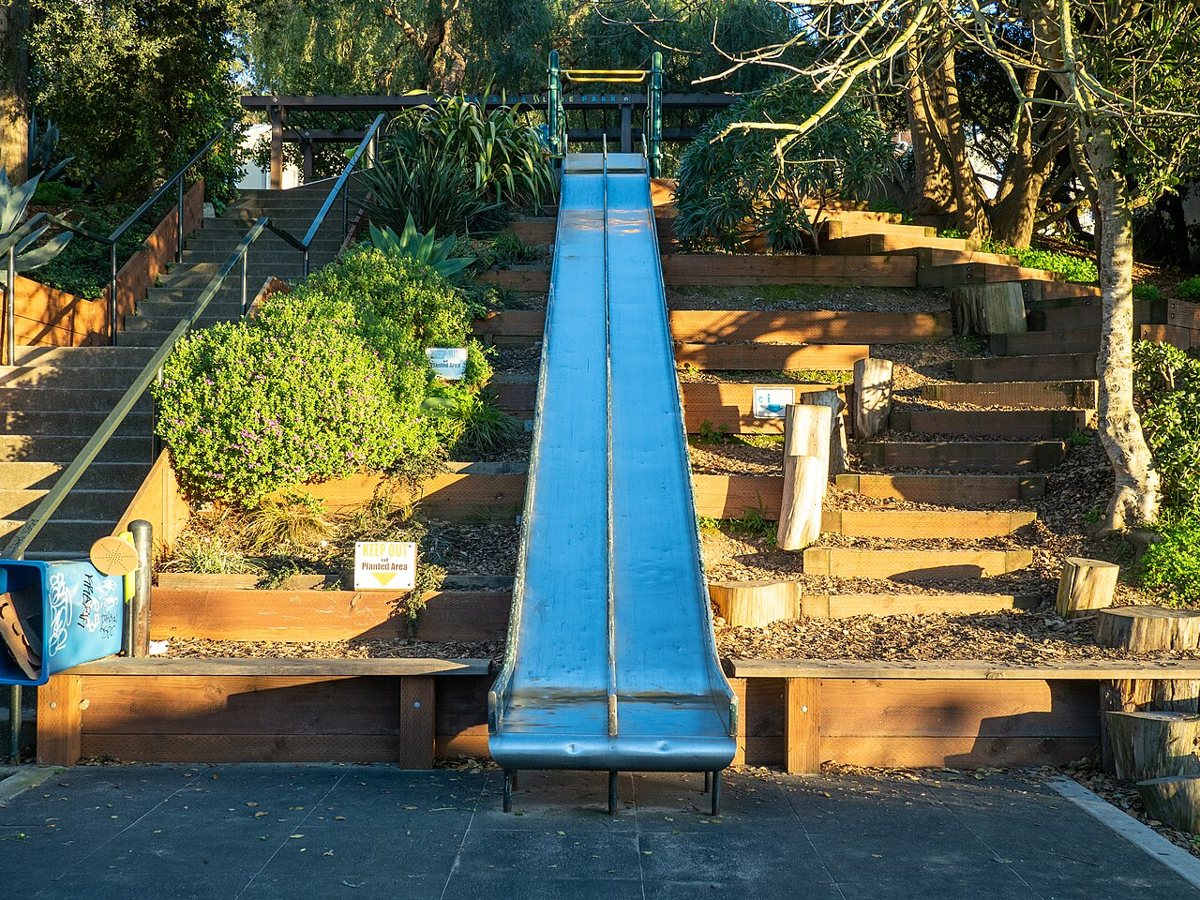
Corona Heights is a small, rugged outcrop of red rock behind the Randall Museum, and it feels almost geologically out of place, like a piece of desert wedged between the Castro and the Haight. The climb to the top takes ten minutes and delivers a remarkably complete view of downtown and the bay, with none of the infrastructure or crowds of Twin Peaks. Rock climbers use the small cliff faces for informal bouldering, and anyone else can use it for a quick, adrenaline-free hike on a lunch break. The Randall Museum at its base is free and worth a stop with kids. Locals treat this as the view they show out-of-towners once the Twin Peaks trip feels too obvious.
Best parks in San Francisco for people-watching and picnics
Some parks exist to be looked at from a blanket. These are the social ones, the ones where the park itself is almost secondary to who else showed up.
Dolores Park
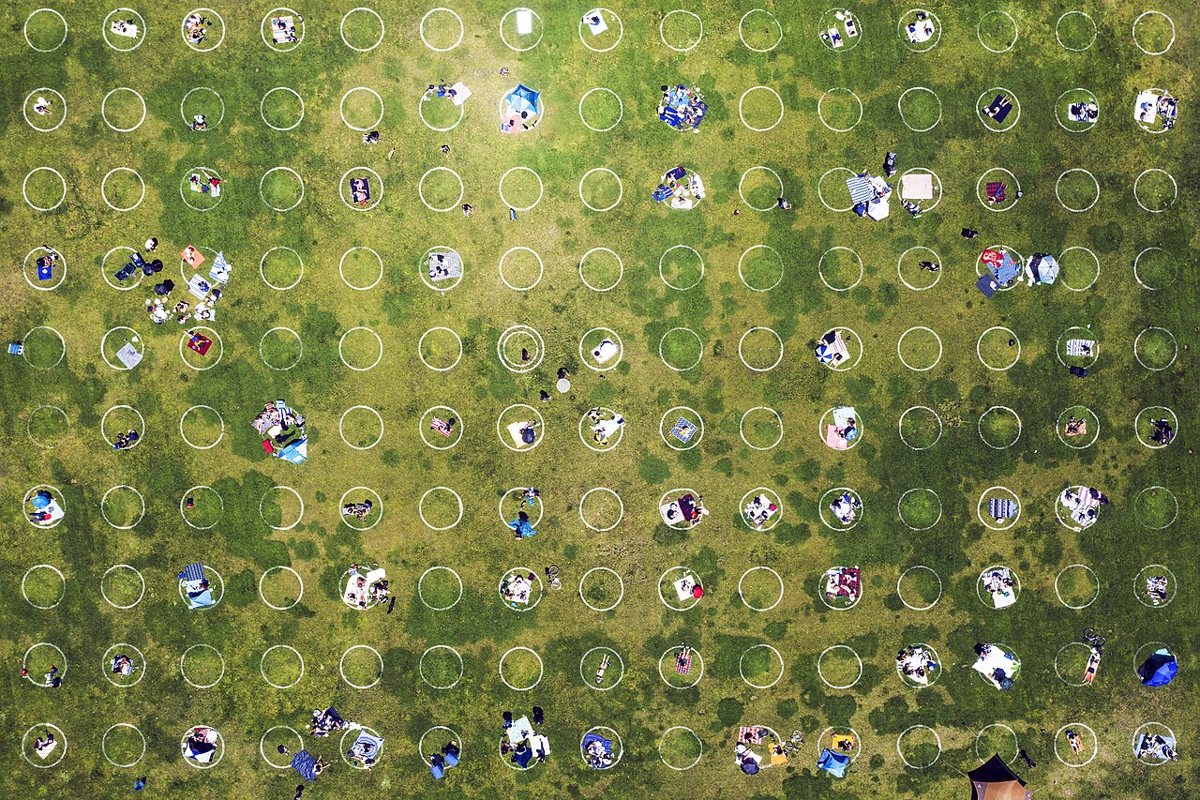
Dolores Park is the closest thing this city has to a communal backyard, a sloped rectangle of grass in the Mission that fills in on any dry afternoon with picnics, birthday parties, impromptu DJ sets, and at least one person selling something out of a cooler. The slope facing downtown is the main event, packed shoulder to shoulder by early afternoon on weekends, while the flatter northern end near the playground and tennis courts moves at a calmer pace. It's also just a good park in the practical sense, with real bathrooms, a renovated playground, and courts that get real use. Grab provisions in the surrounding blocks first; the Mission does a proper brunch better than almost anywhere, and a foil-wrapped burrito travels well. The unglamorous truth locals will tell you: go on a weekday morning if you actually want grass to yourself, because the weekend version is a party, not a picnic.

Alamo Square
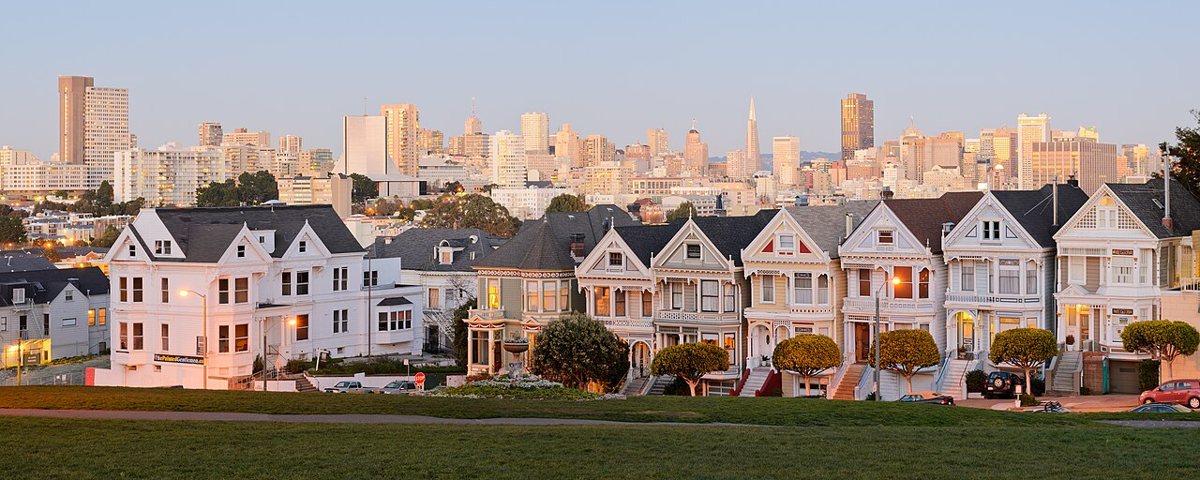
Alamo Square is smaller than its fame suggests, a compact hilltop park that happens to frame the Painted Ladies against the downtown skyline in the single most photographed composition in the city. Tour groups cluster on the sidewalk at the top for the photo and leave within ten minutes, which means the rest of the park, with its own lawns, play structure, and quieter benches, stays relatively calm even when the postcard corner is mobbed. It's worth walking the full loop rather than just hitting the famous viewpoint, since the western side has its own charm without a single tripod in sight. Arrive early, before the tour buses roll in, if the point is actually enjoying the park rather than performing having enjoyed it. The park sits at the western edge of Hayes Valley, bordering the Fillmore.

Alta Plaza and Lafayette Park
Pacific Heights holds two of the city's most underrated squares a few blocks apart. Alta Plaza is the showier one, a terraced, formal park built on grand stone staircases that have shown up in more than one film, with tennis courts, a dog run, and views north toward the bay from its upper terraces. Lafayette Park is its leafier cousin, dense with mature trees and criss-crossed by paths that climb a modest hill to a central lawn, a dog park in practice and a favorite lunch spot for people who work nearby. Neither gets mentioned much outside local guides, since this is a neighborhood that doesn't need to advertise. Bring a book and use the steps as a backrest, the way the regulars do.
Best parks in San Francisco near the water
The coastline does most of the heavy lifting for anyone who wants fog, waves, and the sense of standing at the edge of something.
Crissy Field
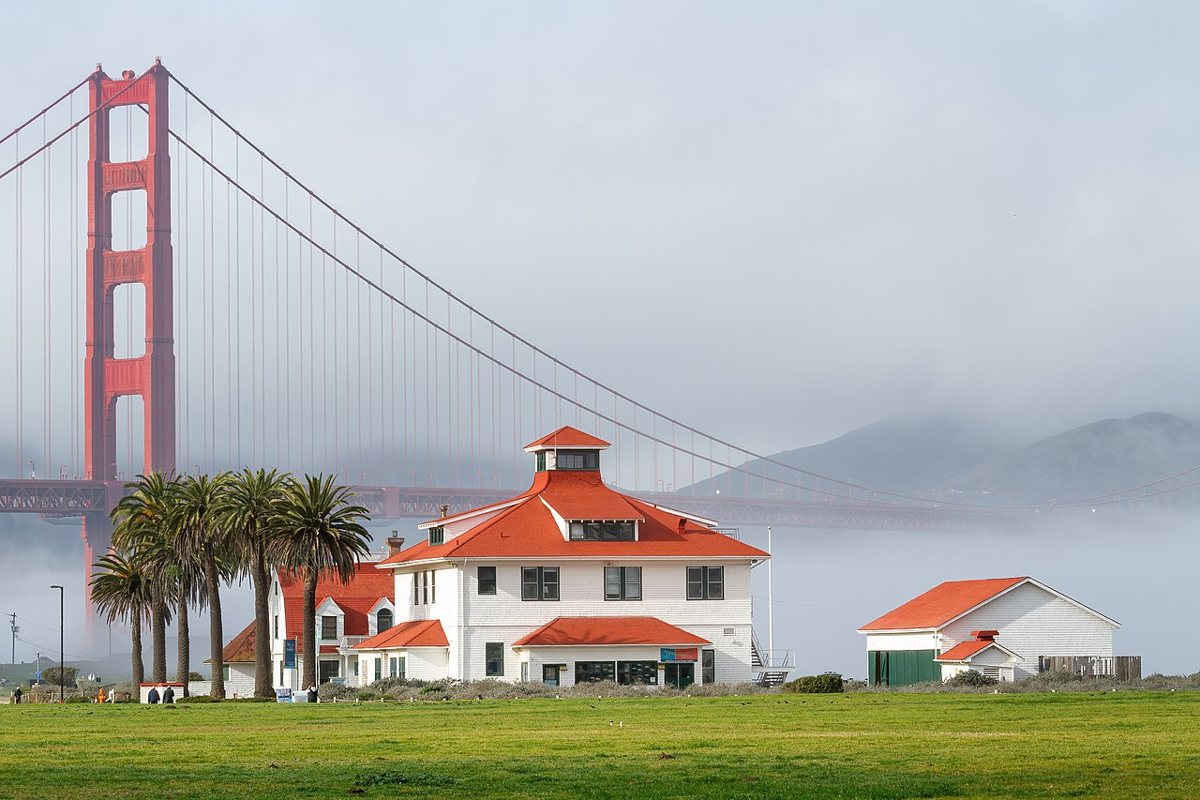
Crissy Field is a flat waterfront promenade that used to be an airfield and is now the best place in the city to watch kitesurfers get hurled around by the bay's wind while the Golden Gate Bridge looms directly overhead. The paved path draws runners and cyclists in equal measure, while the restored marsh on the inland side gives the area an ecological purpose beyond just being scenic. Walk it end to end toward Fort Point for the closest possible vantage of the bridge's underside, an angle that photos rarely capture properly. Check the wind forecast before committing to a picnic here, since a calm morning can turn into a sandblasting by early afternoon. The whole stretch runs along the northern waterfront beside the Marina.

Lands End
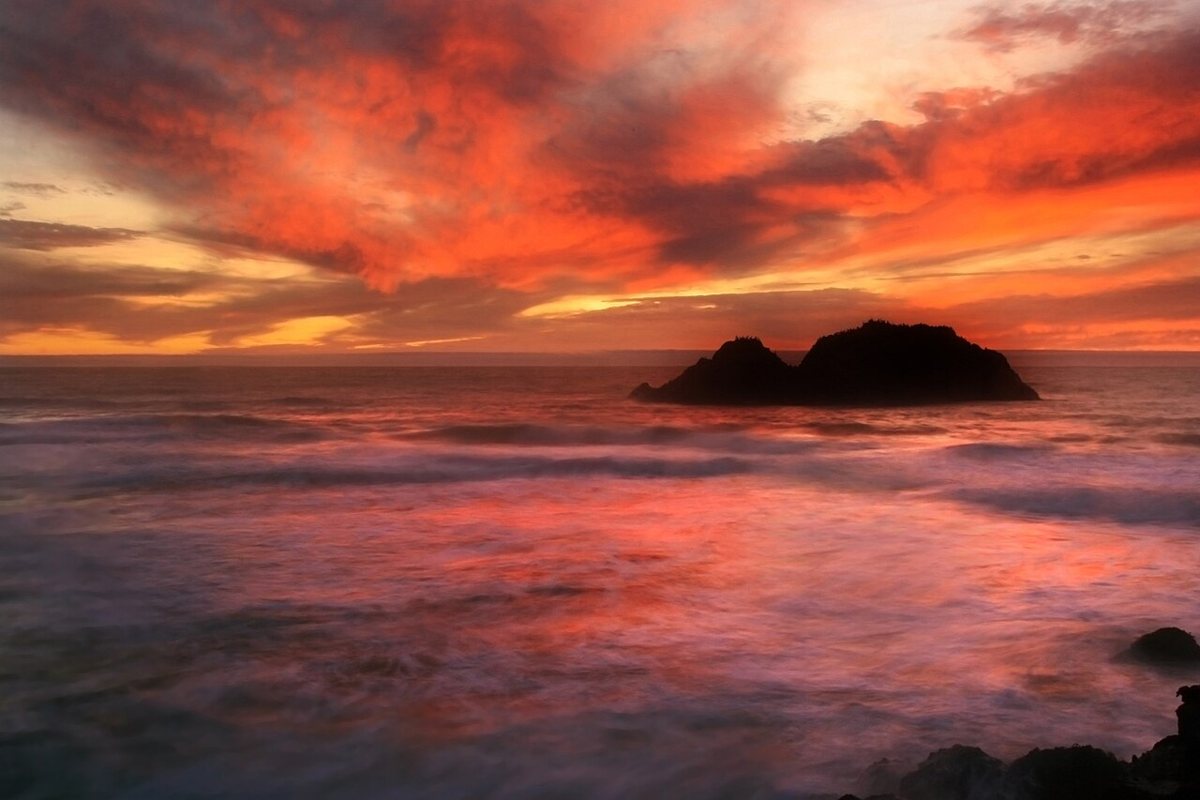
Lands End is the wildest-feeling stretch of coastline inside city limits, a cliffside trail through wind-bent cypress that eventually opens onto views of the Golden Gate Bridge from an angle most people never see, plus the crumbling ruins of the old Sutro Baths near the trailhead. It doesn't feel like a groomed park so much as a genuine hike, with narrow sections and real elevation change, which keeps the crowds thinner than the view deserves. The labyrinth built from stones near the overlook, unofficial and maintained by whoever feels like tending it, is a strange little ritual stop that sums up the area's mix of nature and eccentricity. Pick a weekday if fog and solitude are the goal, since weekend mornings bring out serious crowds. All of it hangs off the far northwest corner of the city, past the Richmond.

Fort Funston
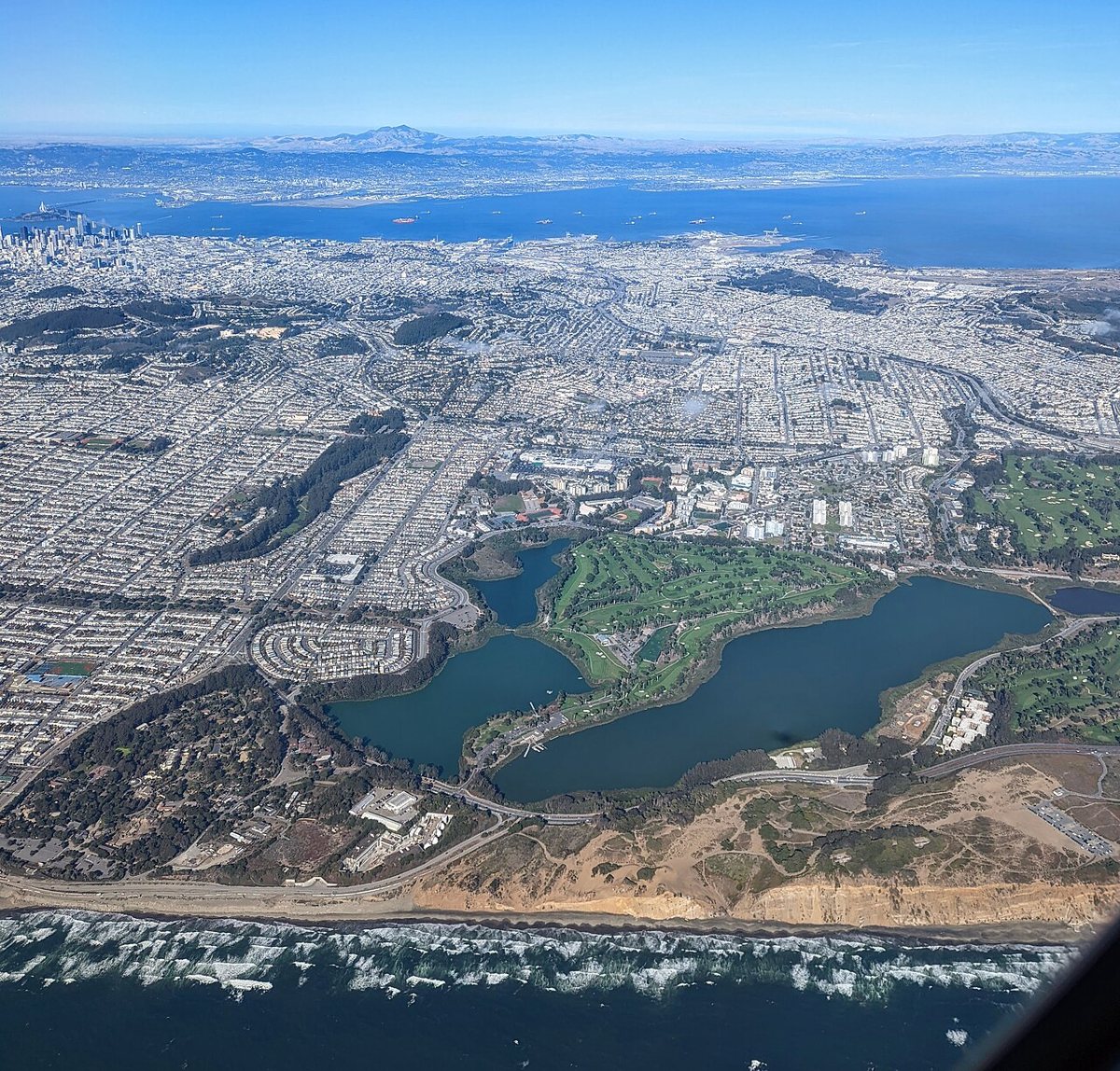
Fort Funston sits at the southwestern edge of the city, a stretch of sandy bluffs where hang gliders launch off the cliffs whenever the wind cooperates, drifting over dog walkers below with an ease that never stops looking slightly impossible. No park in the city is friendlier to dogs, off-leash here by long tradition, with sandy trails that drop down to the beach for anyone willing to climb back up afterward. The bluffs themselves are actively eroding, so stick to marked trails rather than the tempting edge. Go for sunset, when the gliders are often still up and the light turns the sand orange, and stay for the parking lot scene, which is its own small subculture of regulars who show up daily.

Best parks in San Francisco for a quieter, local afternoon
These are the ones without a landmark attached, which is exactly why the people who live nearby guard them so fiercely.
Glen Canyon Park
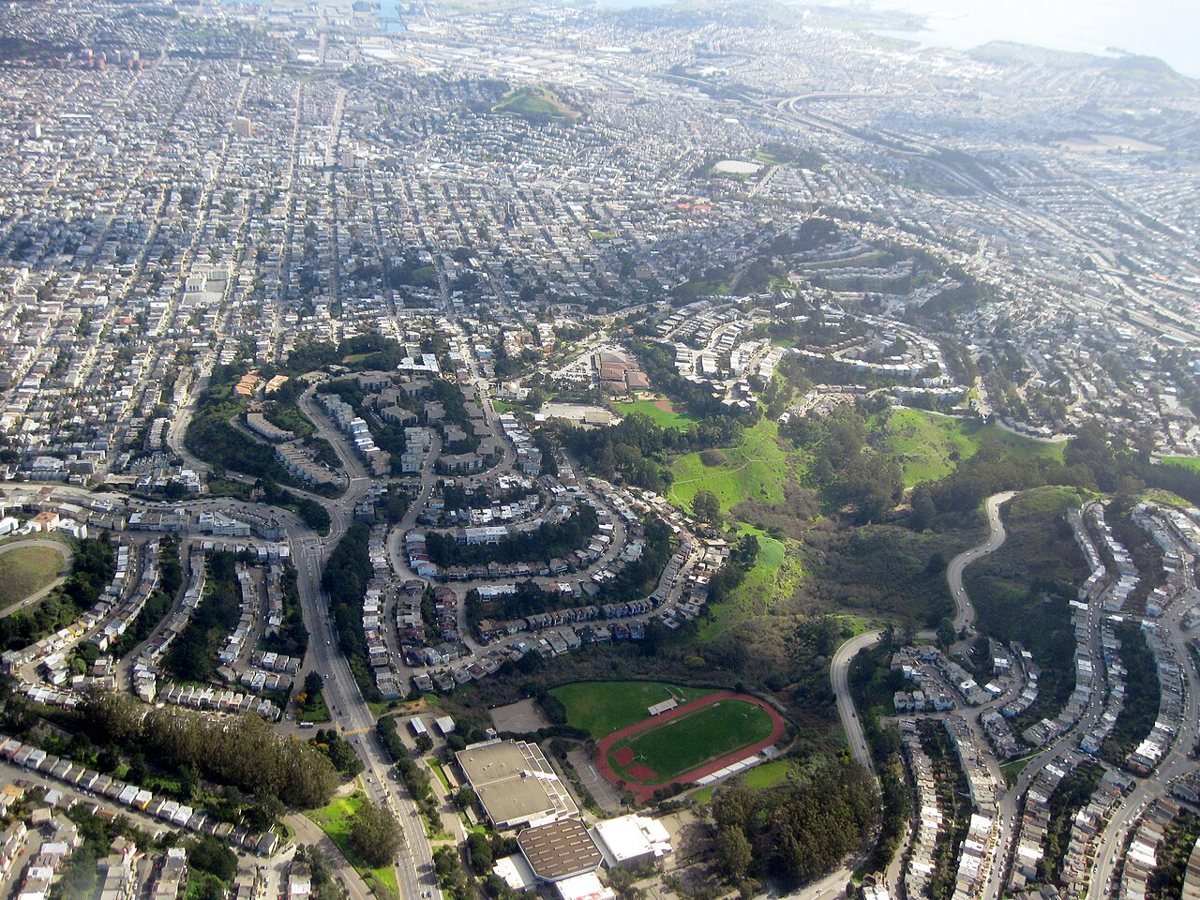
Glen Canyon Park is a genuine canyon carved into the middle of the city, with a creek trail running through eucalyptus and native scrub that makes it easy to forget you're a short walk from a Muni stop. Rock climbers use the sandstone outcrops for practice, kids use the recreation center's fields for soccer, and everyone else just uses the trail for the closest thing to a wilderness walk the city offers south of Twin Peaks. The canyon connects to the Islais Creek watershed, giving it an ecological role most visitors never think about while they're enjoying the shade. Enter from the Portola Drive side for the more dramatic canyon views right away instead of working up to them. Afterward, Glen Park's little village strip has a good coffee stop to cap the walk.

Buena Vista Park
Buena Vista Park is the oldest official park in the city, a steep, forested hill overlooking the Haight where the paths wind through old trees and past a scattering of repurposed grave markers used decades ago to shore up erosion, a detail longtime residents love to point out to anyone new. It's less about the summit view, which is decent but partially obscured by trees, and more about the walk itself, cool and shaded even on a warm day, with enough switchbacks to feel like a proper hike in miniature. The crowd is mellower than the commercial stretch of Haight Street below, mostly dog walkers and neighbors who've been climbing the same paths for years.
Getting there and getting it right
Most of these parks are reachable by Muni, though the ones on the western and southeastern edges of the city reward a car or a long bus ride with fewer crowds once you arrive. Fog is a real planning variable here, not an inconvenience to complain about: the western parks near the ocean, including Lands End and Fort Funston, can stay socked in on afternoons when Dolores Park or Bernal Heights are in full sun a few miles east, so check more than one microclimate before you commit to a plan. Layers are not optional even in summer.
- Entry to every park on this list is free, though museums or attractions inside a park, like the ones in Golden Gate Park, charge separately.
- Weekday mornings are the quiet window at almost every park here; weekend afternoons are the opposite, especially at Dolores Park and Alamo Square.
- Dogs are welcome off-leash at specific designated areas, including parts of Fort Funston, Bernal Heights, and Golden Gate Park, but check posted signage since the rules vary by section.
- Public restrooms exist at the larger parks, but are sparse or absent at the smaller hilltop ones, so plan accordingly.
Where this list leaves you
The temptation with a guide like this is to crown one park the best and send everyone marching toward it, but that's not how anyone who actually lives here uses this city's green space. You pick McLaren Park because it's near your apartment and nobody else is there on a Tuesday. You pick Dolores Park because you want to be seen, or to watch everyone else being seen, which amounts to the same activity. Some Saturdays the only cure for whatever's wrong with you is standing at Lands End while the fog burns off the water, and no ranking accounts for that. What's true is that a city this compact, wedged onto a seven-by-seven-mile peninsula, has no business holding this much genuine green space, from bison to buried grave markers to hang gliders drifting over a beach. Find the one that fits your Tuesday, not your Instagram grid, and go back to it more than once. That second visit is where you actually start to know a park instead of just having seen it.