Spring Things to Do in San Francisco for 2026
From the tulip beds at the Conservatory of Flowers to Opening Day at Oracle Park, here's how the city actually spends its clearest season.
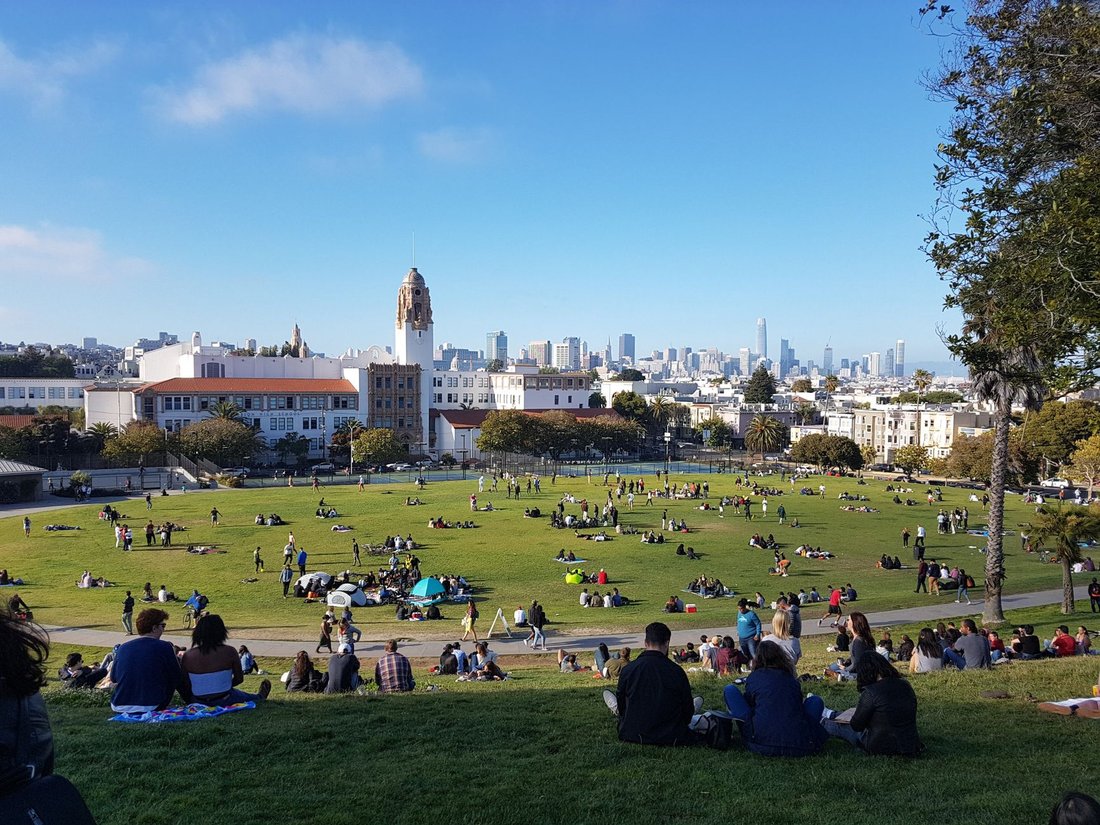
Anyone searching for spring things to do in san francisco should start on a random hill in the Mission, because that's where the season actually announces itself. By nine in the morning on the first genuinely warm Saturday in March, the hill above Dolores Park is already claimed. Towels overlap. Someone's Bluetooth speaker competes with someone else's. A guy is selling cans of something out of a backpack cooler, same as he has for fifteen years, and the Sisters of Perpetual Indulgence are holding court near 19th Street like they always do. Down the block, the taco line at the corner spot on Valencia has doubled because everyone decided, apparently at once, that this was the day. It's not a postcard. It's a Tuesday-brain city finally getting a Saturday, and it happens roughly every March, right on schedule, right after a February that convinced you the sun had left for good.
Spring here isn't a season so much as a negotiation. The fog that owns June and July mostly retreats in April, leaving stretches of the clearest light the city gets all year, cold mornings, warm afternoons, a wind that means business by 4 p.m. Locals plan around this the way farmers plan around rain. The real skill isn't finding a list of places, it's timing them, because a botanical garden at 10 a.m. and the same garden at 3 p.m. are different experiences entirely. What follows is the guide I'd hand a friend visiting in April: exhaustive, opinionated, organized by neighborhood and by type, the way an actual spring here unfolds.
Parks and Blooms: Where Spring Actually Shows Up
The flowers do the least subtle work of announcing the season, and nowhere more than in Golden Gate Park, where March and April turn several distinct pockets into destinations worth planning a whole afternoon around.
Golden Gate Park's Tulip Beds and the Rhododendron Dell
The park's formal beds near the Conservatory of Flowers get replanted with tulips each spring, thousands of bulbs arranged in bands of color that peak for a few weeks before the heat, relatively speaking, does them in. A short walk away, the John McLaren Rhododendron Dell, one of the largest rhododendron collections in the country, blooms in overlapping waves through March and April under a redwood canopy that keeps the whole thing shaded and cool even on a bright day. Go on a weekday morning if you can. The insider move is to enter from the Middle Drive side rather than the main park roads, which keeps you out of the tour-bus traffic pattern and drops you straight into the dell's quiet paths. It sits deep in the park, closer to the Richmond side than the Haight entrance.

The Conservatory of Flowers
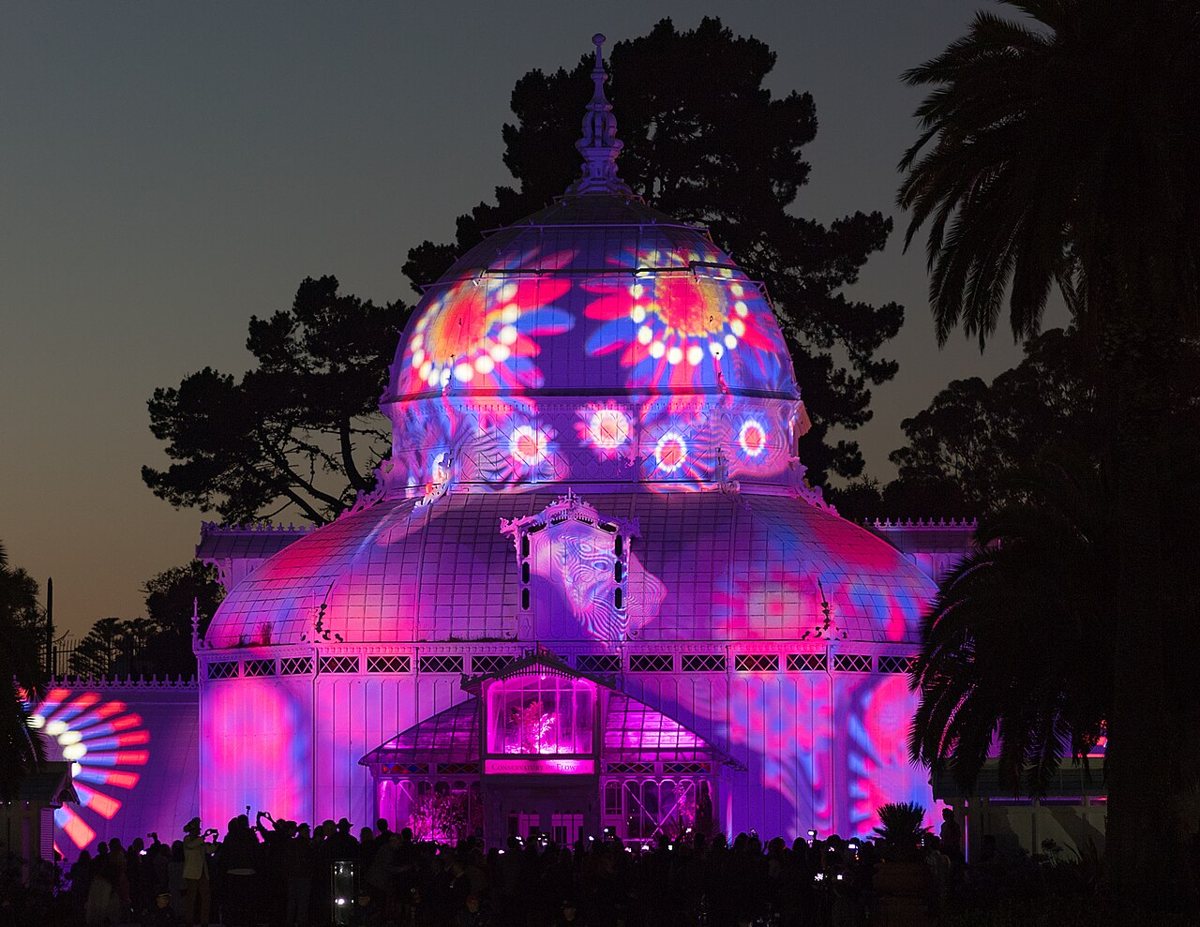
The white Victorian greenhouse at the park's eastern edge is the oldest building in Golden Gate Park and one of the oldest wood-and-glass conservatories left in the country. Inside, it's humid and green year-round, but spring is when the aquatic plants collection and the seasonal exhibition galleries feel most alive, and when the light through all that glass is at its best for photos. Check current hours before you go, since the conservatory closes on Mondays. The insider tip: the highland and lowland tropics rooms toward the back get skipped by people rushing through, and they're the most atmospheric part of the whole building.

San Francisco Botanical Garden and the Japanese Tea Garden
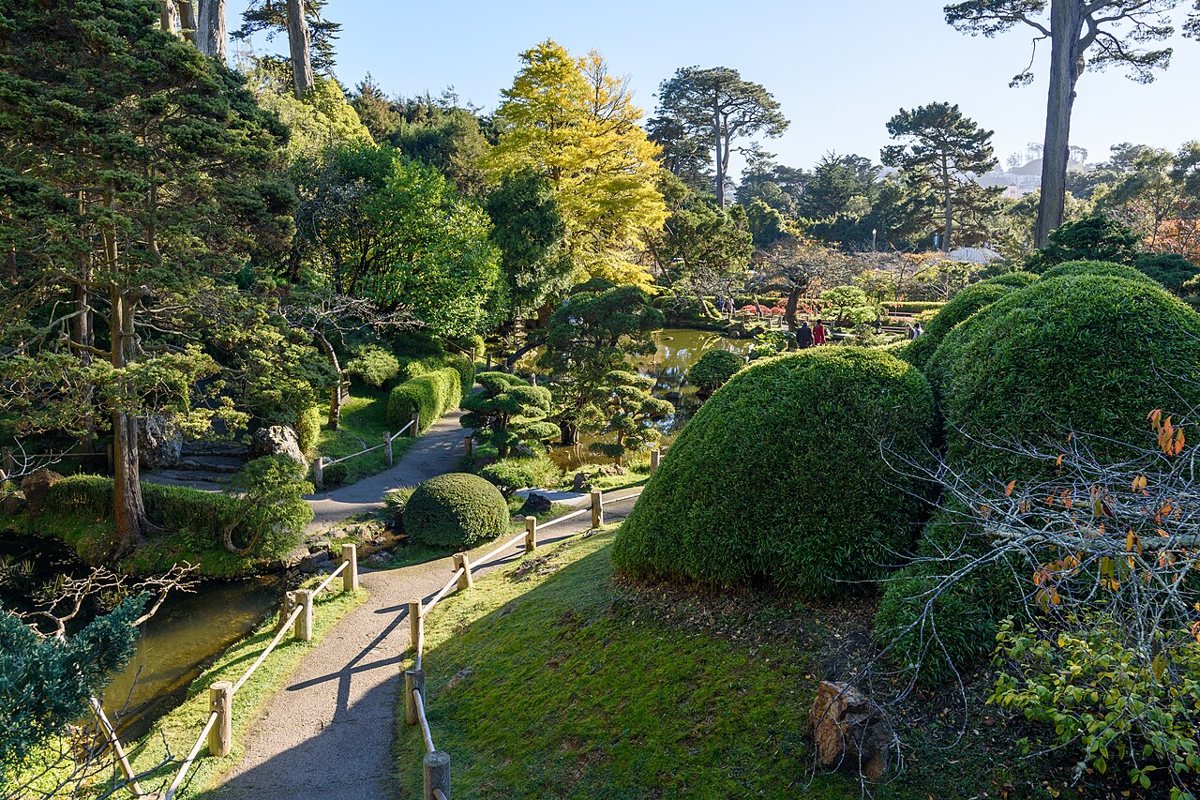
The San Francisco Botanical Garden, also inside Golden Gate Park, is usually free or low-cost for city residents and organizes its collection by world region, which means you can walk from a Chilean cloud forest section to a Californian native garden in about ten minutes. Magnolia season falls here in spring, and the blooms are dramatic enough that photographers show up before opening. Nearby, the Japanese Tea Garden runs on its own bloom calendar, with cherry blossoms typically arriving in late March into April depending on the year's weather, never promise a date, since the trees don't care about your itinerary. Arrive at opening if cherry blossoms are the goal; by midday the paths around the pagoda get tight.

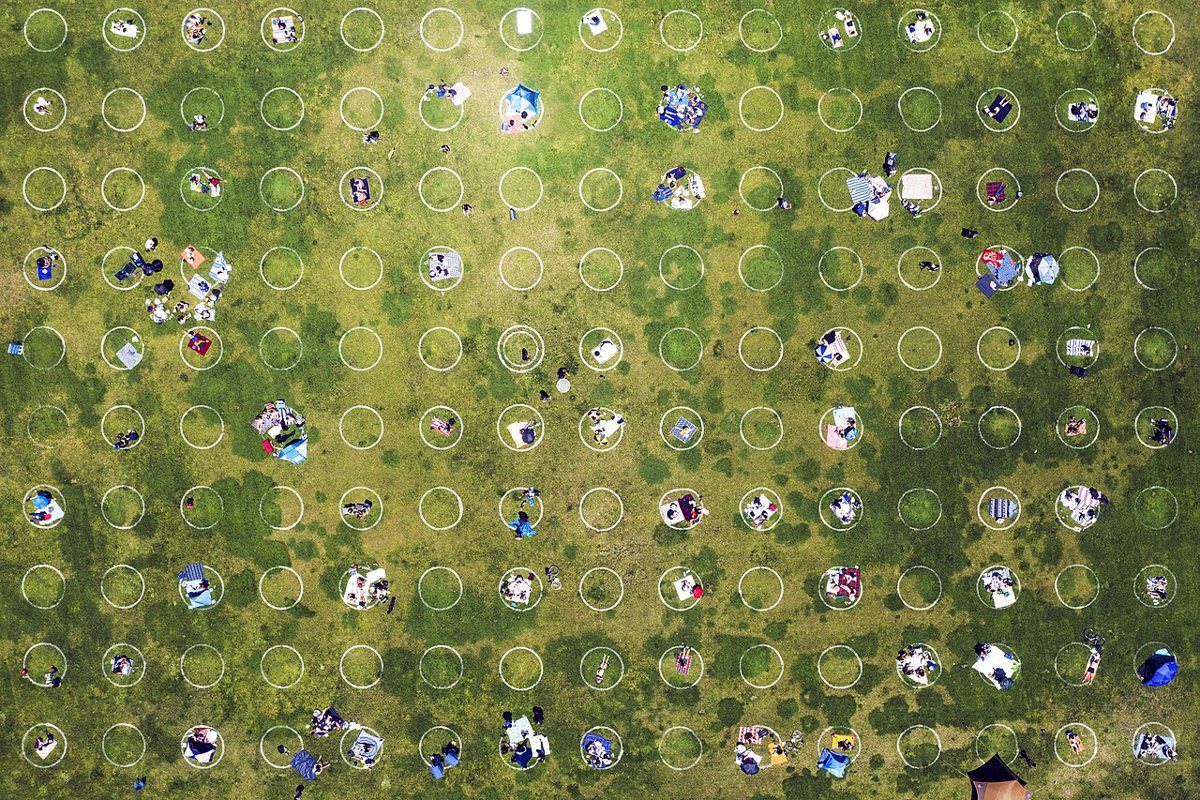
Dolores Park
Mission Dolores Park is the city's unofficial spring stress test. The first sunny weekend of the year fills the hill between Dolores Street and Church, and it stays full most weekends after that through fall. What makes it worth building a day around isn't just the people-watching, though that's considerable; it's the view north across downtown and the way the park functions as neutral ground for every part of the city. Bring your own everything, because there's no reliable shade and the taco cart situation, while real, moves slowly when it's packed. The insider tip is the northwest corner near 18th and Dolores, which gets less crowded and still has the skyline view. This is Mission territory, walking distance from some of the best taquerias in the city if you want an actual foil-wrapped burrito rather than whatever's for sale out of a cooler. A proper Mission burrito is not optional homework here, it's the point.

Spring Things to Do in San Francisco: Culture and Museums
By spring, the city's museums also stop being a rainy-day fallback and start being a legitimate plan, since the crowds haven't hit summer peak yet and the light for outdoor sculpture gardens and courtyards is finally good.
The de Young Museum
The de Young sits at the eastern end of Golden Gate Park, its copper facade already oxidizing toward green, and its observation tower gives one of the few free 360-degree views in the city. The tower itself doesn't require museum admission, which surprises a lot of visitors. Spring exhibitions rotate, so check what's showing before you go, but the permanent collection of American art and textiles, alongside international contemporary work, holds up on its own. The sculpture garden between the de Young and the Academy of Sciences is worth ten unhurried minutes, especially with the park's spring green everywhere around it.
The California Academy of Sciences
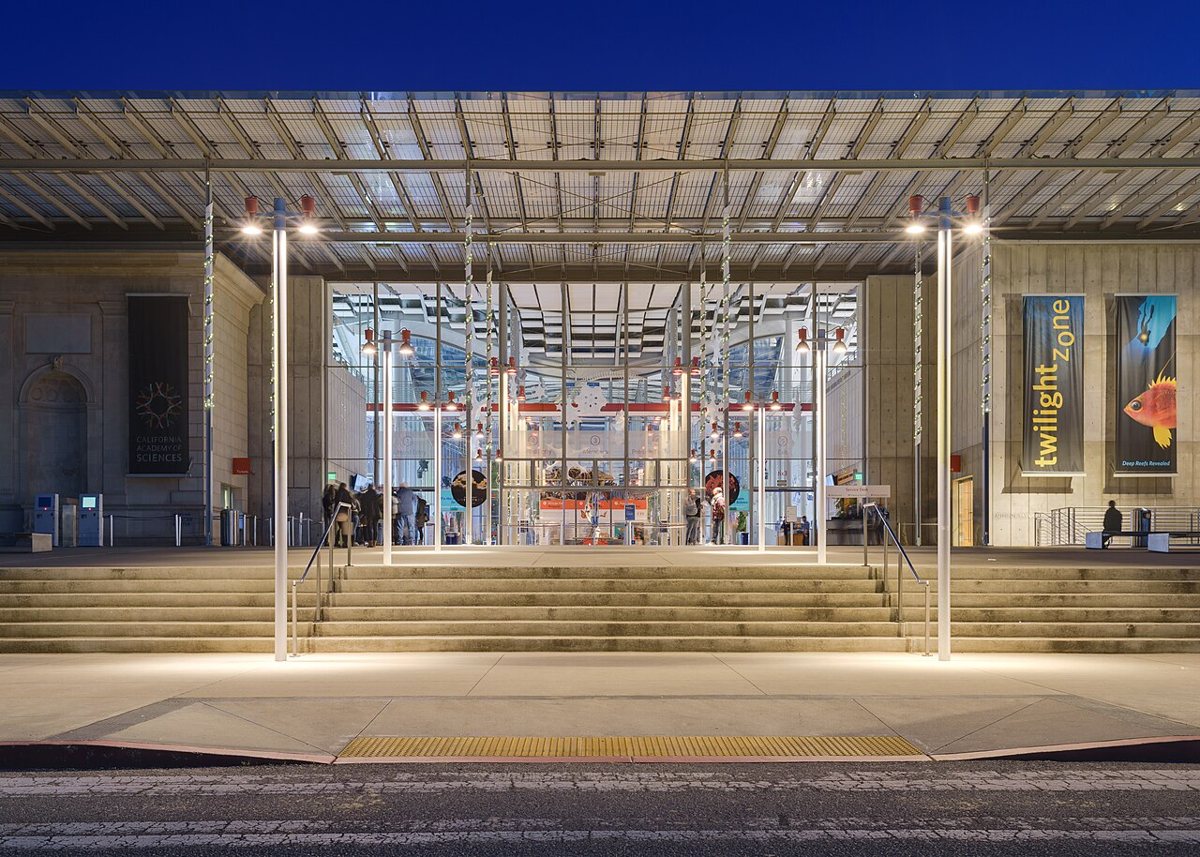
Across the music concourse from the de Young, the Academy combines an aquarium, a planetarium, a four-story rainforest dome, and a living roof planted with native species that put on their own modest spring show. Families tend to treat this as a full-day stop, and it holds up to that, but the rainforest dome specifically rewards a slower visit. It's warm, loud with real birds, and easy to rush through if you're watching the clock. The living roof is one of the better free-adjacent views of the park's canopy if you skip the paid exhibits and just walk the perimeter deck.

The Ferry Building Farmers Market
By spring, the Ferry Building's Saturday farmers market swaps out citrus and root vegetables for the first strawberries, asparagus, and green garlic of the year, and longtime shoppers time their visits around exactly that shift. The building itself, with its clock tower facing the bay, anchors the Embarcadero, and the market spills out along both sides on market days with produce and prepared food, plus flowers grown within a few hours of the city. Go early for the good strawberries; go around ten for the crowd and the street food if that's more your speed. Parking is bad, so walk or take transit if you can.
Sports: Opening Day and Spring on the Water
Giants Opening Day at Oracle Park
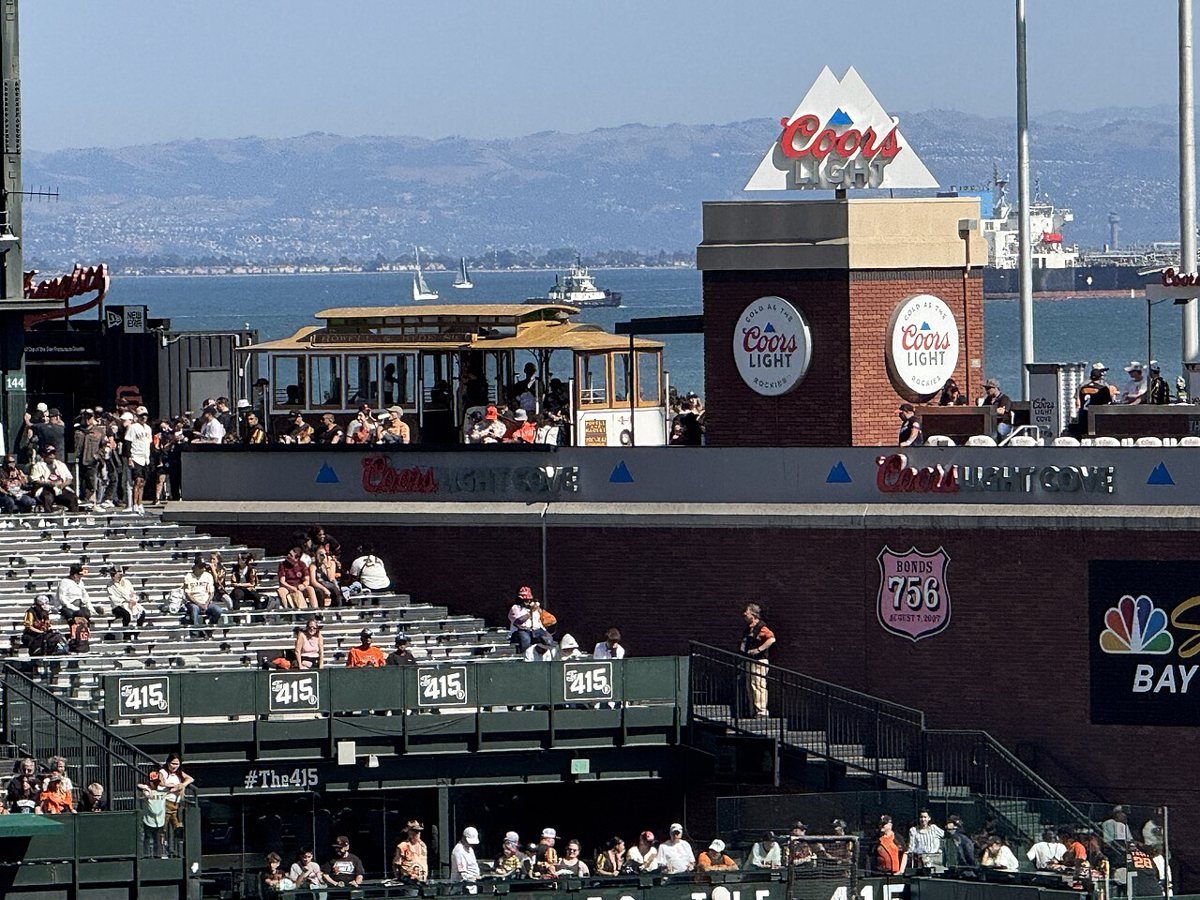
The Giants open at Oracle Park in early April most years, and Opening Day itself has the feel of a genuine civic holiday, orange and black on Muni, office pools, a stadium full of people who haven't seen each other since October. Even outside Opening Day, April and May baseball at Oracle Park is some of the most pleasant sports-watching weather the city offers, before the marine layer settles over the ballpark for the summer months the way it famously does. The view from the upper deck out over McCovey Cove toward the bay is worth the cheaper seats. Check current schedules and prices before planning around any specific date. This is SoMa's southern edge, easy to reach by Muni or the ballpark's dedicated boat slips for those who arrive by water.

Hiking Lands End and the Presidio
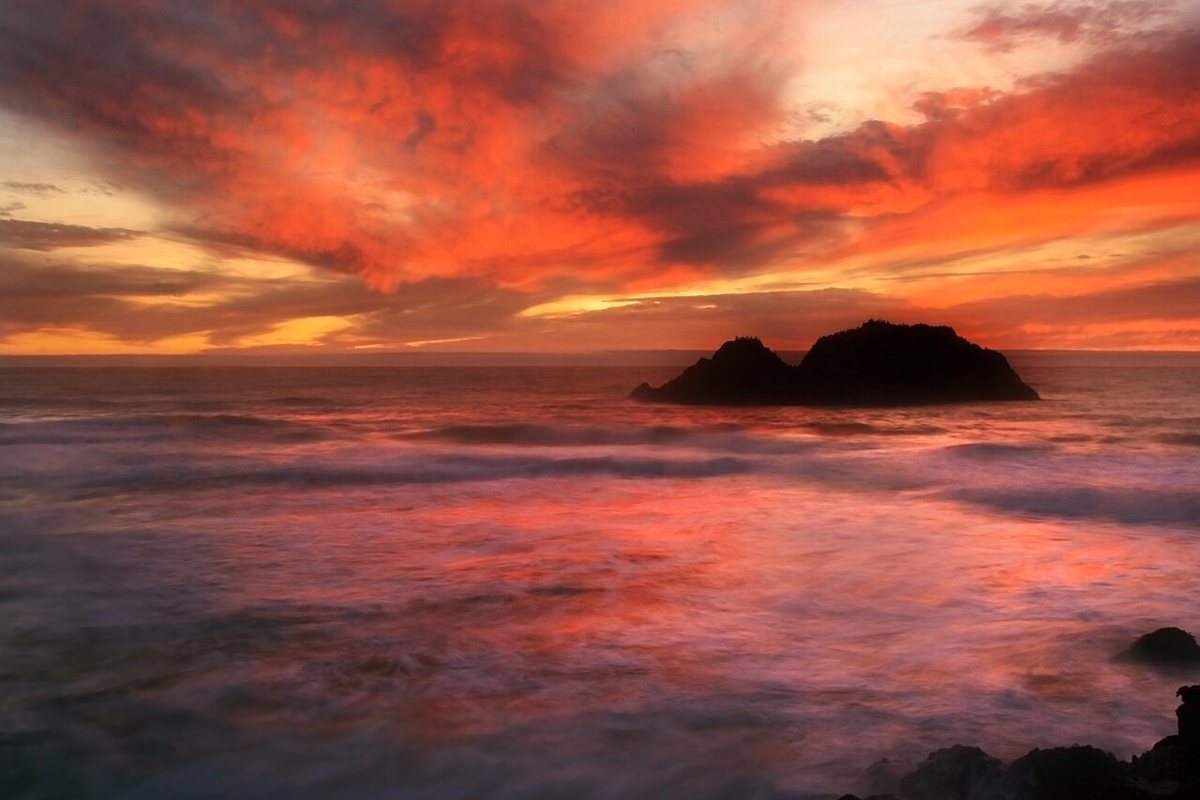
The clear light of spring is the best argument for hiking Lands End, the coastal trail along the city's northwestern edge where the fog has usually thinned enough to actually see the Golden Gate Bridge from the overlooks, the Marin headlands across the strait, and on the clearest days, the old Sutro Baths ruins below. The trail connects into the Presidio, the former Army post turned national park land, where spring wildflowers show up along the bluffs and the paths through eucalyptus groves stay cool even as the rest of the city warms up. The insider tip: start at the Eagle's Point end near Lincoln Park rather than the more crowded Merrie Way trailhead, and you'll have the first mile mostly to yourself on a weekday morning.

The Golden Gate Bridge and the Presidio's Batteries
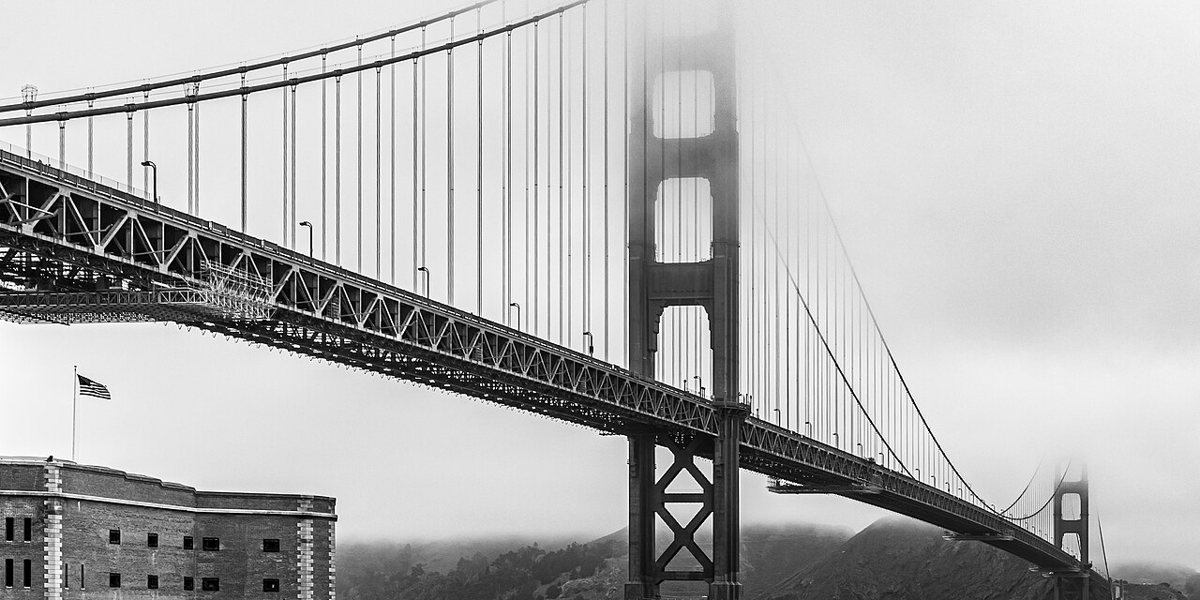
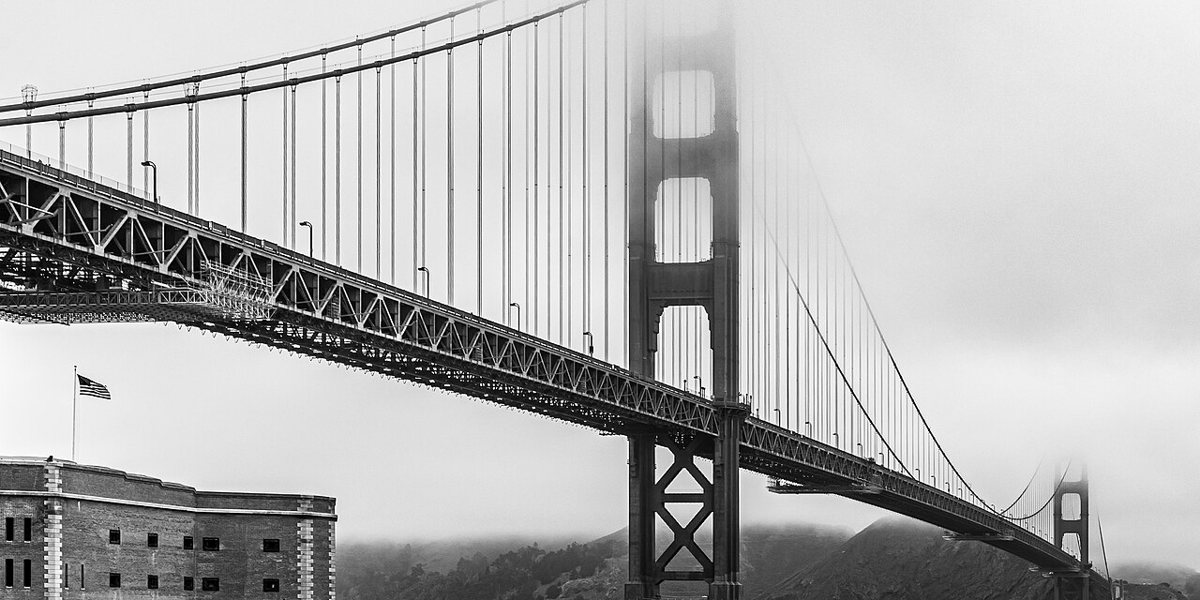
Walking or biking across the Golden Gate Bridge is a spring activity in the specific sense that spring is often the only season with a real shot at clear, wind-manageable conditions to do it comfortably. Summer fog and wind make the crossing miserable more often than visitors expect. Pair the walk with a stop at the Presidio's old coastal defense batteries near Baker Beach, concrete gun emplacements from an earlier military era that now function as unmarked viewpoints with some of the best bridge photography angles in the city, free of charge and usually free of crowds too.
Neighborhoods to Walk in Spring
The Mission
Spring is prime mural season in the Mission, when the light stays good into early evening and Balmy Alley and Clarion Alley are easiest to walk without dodging rain. It's the Latino center of the city, and the murals aren't a backdrop, they're a decades-long civic conversation about displacement and identity, about who gets to stay, worth reading as history, not just photographing. Dolores Park anchors the neighborhood's northern edge, and the blocks around 24th Street hold some of the city's oldest taquerias and panaderias.
The Castro
The Castro's spring calendar tends to build toward its Pride-season peak later in the year, but April and May bring outdoor patio season back to the neighborhood's bars and restaurants, and the Castro Theatre marquee is worth checking regardless of what's playing. This is the historic center of LGBTQ San Francisco, and the neighborhood's history, Harvey Milk's old camera shop storefront, the rainbow crosswalks at Castro and 18th, rewards walking slowly rather than rushing through.
Haight-Ashbury
The Haight in spring means the Golden Gate Park panhandle turning green and the neighborhood's vintage shops and record stores drawing a steady stream of visitors chasing 1967 nostalgia, which the neighborhood both sells and quietly rolls its eyes at. Walk up to the top of Haight Street toward Buena Vista Park for a quiet, steep climb with views back over the city that most visitors skip entirely.
Food: What Spring Changes on the Plate
The Tail End of Dungeness Crab Season
Dungeness crab season generally runs from the winter into spring, and by March and April the season is winding down, which locals treat as a reason to eat crab urgently rather than a reason to skip it. Fisherman's Wharf still sells it fresh off the boats, and it shows up on menus across the city in cioppino and simply cracked with butter. Ask before ordering, since exact closing dates shift year to year based on the fishery's own assessments.
The Buena Vista's Irish Coffee
The Buena Vista Cafe near Fisherman's Wharf has been pouring its version of Irish coffee since the 1950s, and a cold, clear spring morning with the fog burning off over the bay is arguably the correct weather for it, better than the summer gray it's often photographed in. It's touristy in the sense that everyone who lives here has also gone, more than once, and defends it anyway.
Natural Wine Bars and Sourdough
Patio season in spring revives the city's natural wine bar scene, concentrated in the Mission and up into the Divisadero corridor, where lighter, higher-acid pours suit the season better than what gets ordered in December. Pick up a loaf from one of the city's sourdough bakeries to go with it. The bread's specific tang comes from wild yeast strains that thrive in the city's cool, foggy air, which is as close as San Francisco gets to a food born directly from its own climate.
Spring Weather, Getting Around, and What's Free
Weather in spring here runs cold-morning to warm-afternoon, with real neighborhood-to-neighborhood variation: the Richmond and Sunset stay foggier and cooler longer into the day than the Mission or Noe Valley, which sit in warmer microclimates east of Twin Peaks. Layers are not optional. A 65-degree, sunny Mission afternoon can be a 55-degree, gray Ocean Beach afternoon at the same hour.
- Muni and BART cover most of what's listed here; a day pass is usually cheaper than parking downtown or near the park on a weekend.
- Golden Gate Park, the Presidio, Lands End, Dolores Park, and the murals in the Mission are free to visit.
- The Botanical Garden is usually free for city residents with ID; check current policy before visiting.
- Many museums run a free or reduced-admission day at least once a month; check current schedules, since they change.
- Rideshare and taxis get expensive fast around Oracle Park on game days; transit is genuinely faster then anyway.
The Point of All This
Spring doesn't fix what's actually wrong with this city. The same conversations about housing costs and who gets pushed out of which neighborhood continue whether the tulips are blooming or not, and no list of parks changes that math. What spring does is give the city permission to be outside together for a few months before the fog reasserts itself, and that's not nothing. The crowd on the Dolores Park hill on that first warm Saturday is not performing for anyone; it's just relieved. Do the touristy things, Opening Day, the Conservatory, the bridge walk, but do them the way people who live here do, early, on a weekday if you can manage it, and paired with a meal that has nothing to do with a guidebook. That's the whole trick to spring things to do in san francisco: less a checklist, more a window that's open for a little while before it isn't.