Best Restaurants in the Mission, Block by Block
A corridor-by-corridor guide to eating well in the Mission, from the taquerias that set the standard to the wine bars that arrived after them, without pretending the neighborhood's changes don't matter.
Ask three people where to get the best restaurants in the Mission and you'll get three answers that don't overlap, and all three will be right. That's because the neighborhood doesn't work as a single food scene. It works as a string of corridors, each with its own logic, its own hours, its own idea of what a good meal costs and how long it should take. Understanding those corridors matters more than any single recommendation ever could.
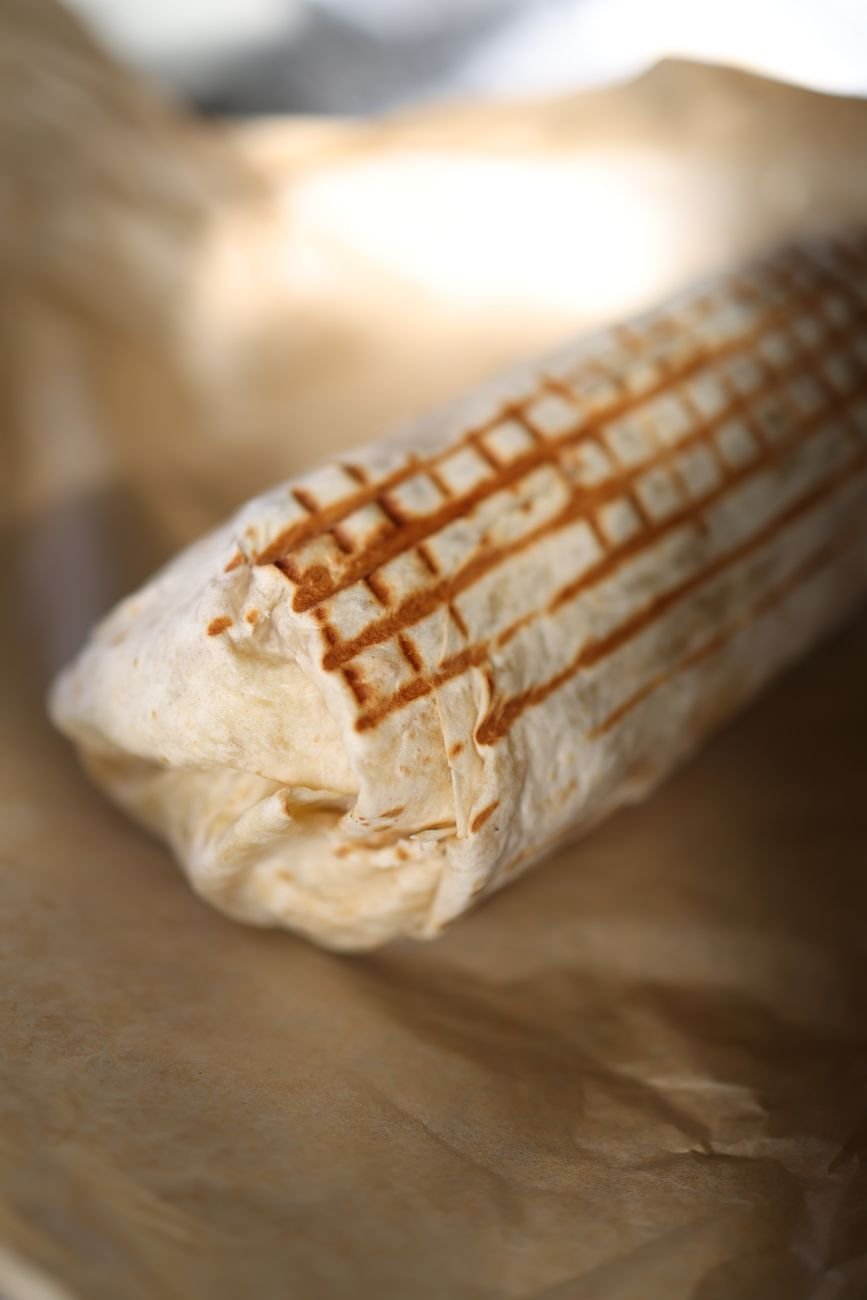
Start with the obvious truth, the one that outsiders get wrong constantly: a Mission burrito is not a burrito elsewhere. It's foil-wrapped, built around rice as a structural ingredient rather than an afterthought, and sized for two meals if you're honest with yourself. The taquerias that do this well tend to share traits rather than addresses, a steam table you can see from the counter, salsa options that aren't watered down for anyone, a line that moves fast because the kitchen has done this ten thousand times. Order at the counter, watch your food get built, and don't overthink the meat choice on your first visit. A foil-wrapped burrito eaten standing up, two blocks from wherever you parked, is still the neighborhood's most honest meal.
Valencia Street: Where the Best Restaurants in the Mission Get Dressed Up
Valencia is the corridor that changed fastest and shows it. Two decades ago this was a scrappier strip; now it's dense with natural wine bars, small-plate kitchens, and restaurants that take reservations seriously enough to require an app. This is where you'll find the Mission's most ambitious cooking, places experimenting with regional Mexican technique beyond the taqueria format, or running tight seasonal menus that change with the Ferry Building's own calendar. The wine lists lean natural and unfussy, the kind of bottles a somm will talk you through without condescension. Come here when you want a real dinner, a bar seat and a glass of something orange, or a date that requires a tablecloth. Just know you're paying Valencia prices, which are not Mission prices from a decade back, and that the gap between the two is the whole conversation about this street in miniature.
Mission Street: The Working Corridor
A few blocks east, Mission Street operates on an entirely different clock. It is the commercial spine that never fully gentrified, where panaderías sit next to pupuserías sit next to taco trucks that set up after dark. Prices stay lower here, portions stay generous, and the food skews toward Central American as much as Mexican, pupusas griddled to order, tortas piled past the point of easy eating, aguas frescas in flavors that change with what's ripe. The pace is faster and less precious. Nobody's plating for a photo. If Valencia is where the neighborhood performs for newcomers, Mission Street is where longtime residents still eat on a Tuesday, and that difference is worth noticing rather than smoothing over.
How to Eat Well on Either Street
- Go where the line is entirely locals, even if it means waiting
- Order what's written on butcher paper taped to the wall, not just the laminated menu
- Ask what's fresh that day at counter-service spots, the answer changes the order
- Bring cash as backup even where cards are accepted; some of the best counters still prefer it
The 24th Street Corridor: The Cultural Anchor
Walk south to 24th Street and the neighborhood's identity announces itself without needing to. This is the corridor closest to Balmy Alley's murals, the stretch most people mean when they talk about the Mission as SF's Latino cultural heart rather than a real estate story. The food here reflects decades of continuity, bakeries that have supplied the same families for generations, markets where the produce reflects Oaxacan and Salvadoran kitchens as much as Mexican ones, ice cream shops doing flavors like corn and tamarind that never needed a trend cycle to justify them. Eating well on 24th means slowing down. Walk the full stretch before committing to a stop. Let a bakery case talk you into something you didn't plan on. The corridor was never built for efficiency, and treating it that way misses the point.
What Gentrification Actually Changed
It would be dishonest to write about the best restaurants in the Mission without naming what displacement has done to who can afford to eat here, and who can afford to keep cooking here. Commercial rents on Valencia pushed out several longtime family businesses over the past fifteen years; some reopened blocks away, some didn't reopen at all. The murals on Balmy Alley and Clarion Alley exist partly as a response to that pressure, a visual claim on a neighborhood that residents have watched get sold back to them at markup. None of this means don't eat here. It means eat with some awareness of which businesses are decades deep and which arrived with the last funding round, and let that awareness shape where your money goes without turning every meal into a referendum.
A Practical Way to Plan a Mission Food Crawl
- Start on 24th Street in daylight, when bakeries and markets are at full stock
- Move to Mission Street for a late-afternoon torta or pupusa when the trucks are setting up
- End on Valencia after dark, when the wine bars fill in and the kitchens hit their stride
The Mission rewards people who treat it as a place with a memory, not a menu. Pick a corridor, go hungry, and let the street tell you what it does best before you decide what you're in the mood for.