Romantic Things to Do in San Francisco for Couples
Skip the bridge selfie itinerary — the city's best dates are built on fog, hills, and a willingness to get cold together.
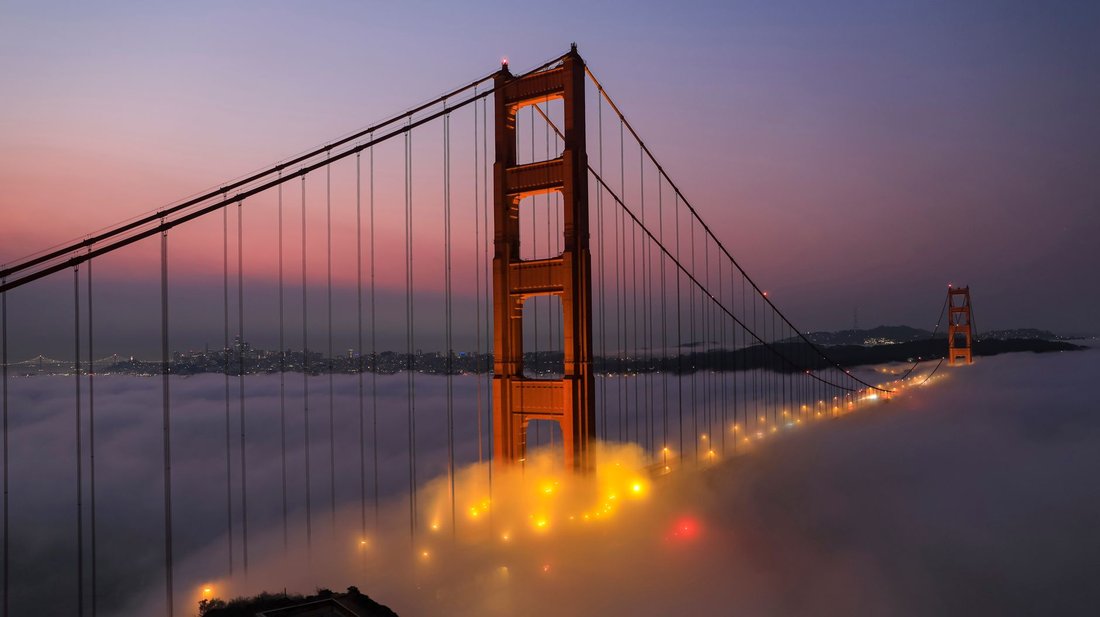
Two people in matching fleece jackets stood at the railing above Ocean Beach on a Tuesday morning in January, coffee cups steaming, watching a container ship disappear into fog that hadn't lifted since sunrise. Neither one checked a phone. That is what a good date looks like here more often than not: weather that requires negotiation, a view that arrives slowly, a bench worth arguing over, nothing photographed for at least ten minutes. Anyone searching for romantic things to do in San Francisco is usually picturing the bridge at golden hour, and that's a fine start, but the city's real gift to couples is time. Long walks, longer dinners, and enough microclimates that one afternoon can hold four kinds of weather and two kinds of quiet.
This is not a list built for a single perfect Instagram loop. It is organized the way an actual weekend here unfolds, by mood and by neighborhood, with the understanding that the fog is not an inconvenience to plan around. It is part of the date.
Outdoor Dates Where the Fog Sets the Mood
Parks and Gardens
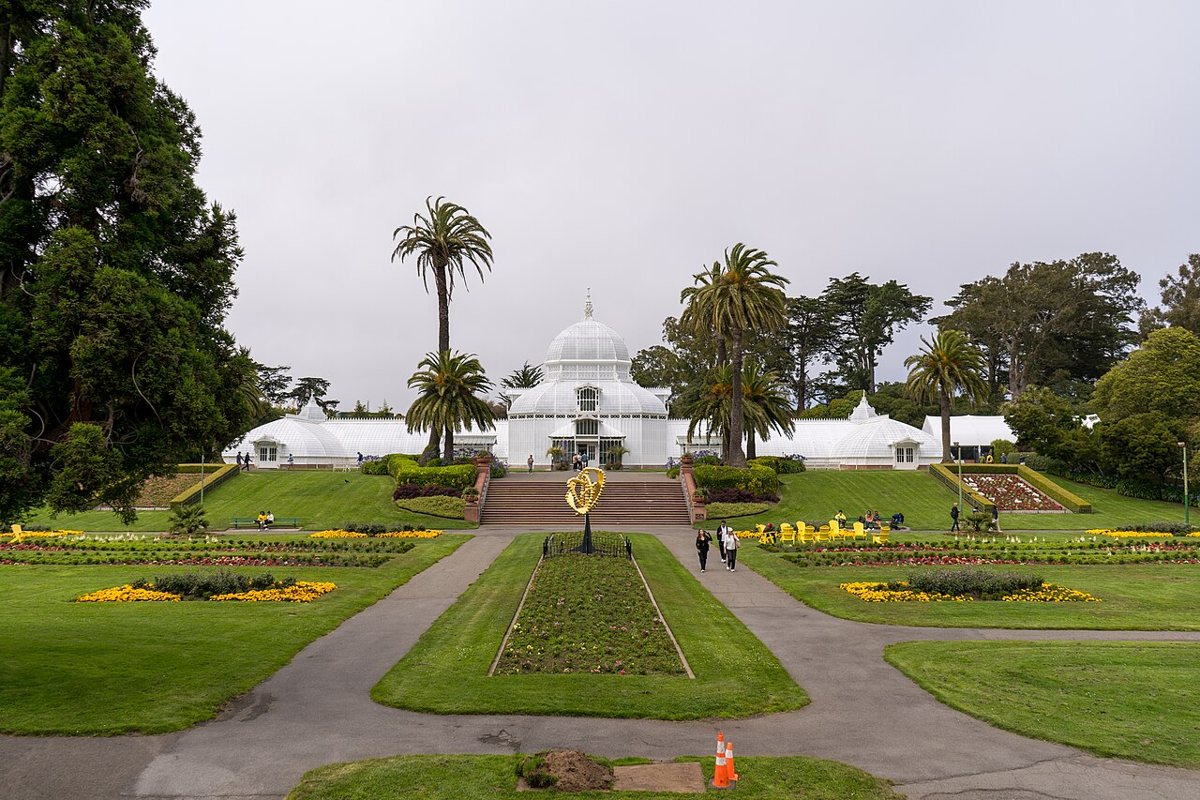
Golden Gate Park is bigger than most visitors expect, and that size is the point. A couple can spend three hours inside it without repeating a landscape: the glasshouse warmth of the Conservatory of Flowers, the manicured hush of the Botanical Garden, a paddleboat crossing Stow Lake, a drum circle finding its rhythm near the western edge on a Sunday. The move for couples is to pick two things, not six. Rent bikes near the panhandle and ride out toward the buffalo paddock, locking up to finish the rest on foot. The Dutch Windmill at the park's far western edge blooms with tulips in late winter and draws almost nobody, which makes it a better stop than the crowded gardens closer to the entrance. The polo field, empty most weekdays, is wide enough for a blanket and a thrown frisbee if the goal is unstructured time rather than a checklist of landmarks. The insider tip locals repeat to anyone who'll listen: bring a layer you don't think you'll need, because the park generates its own weather independent of what the rest of the city is doing that day.

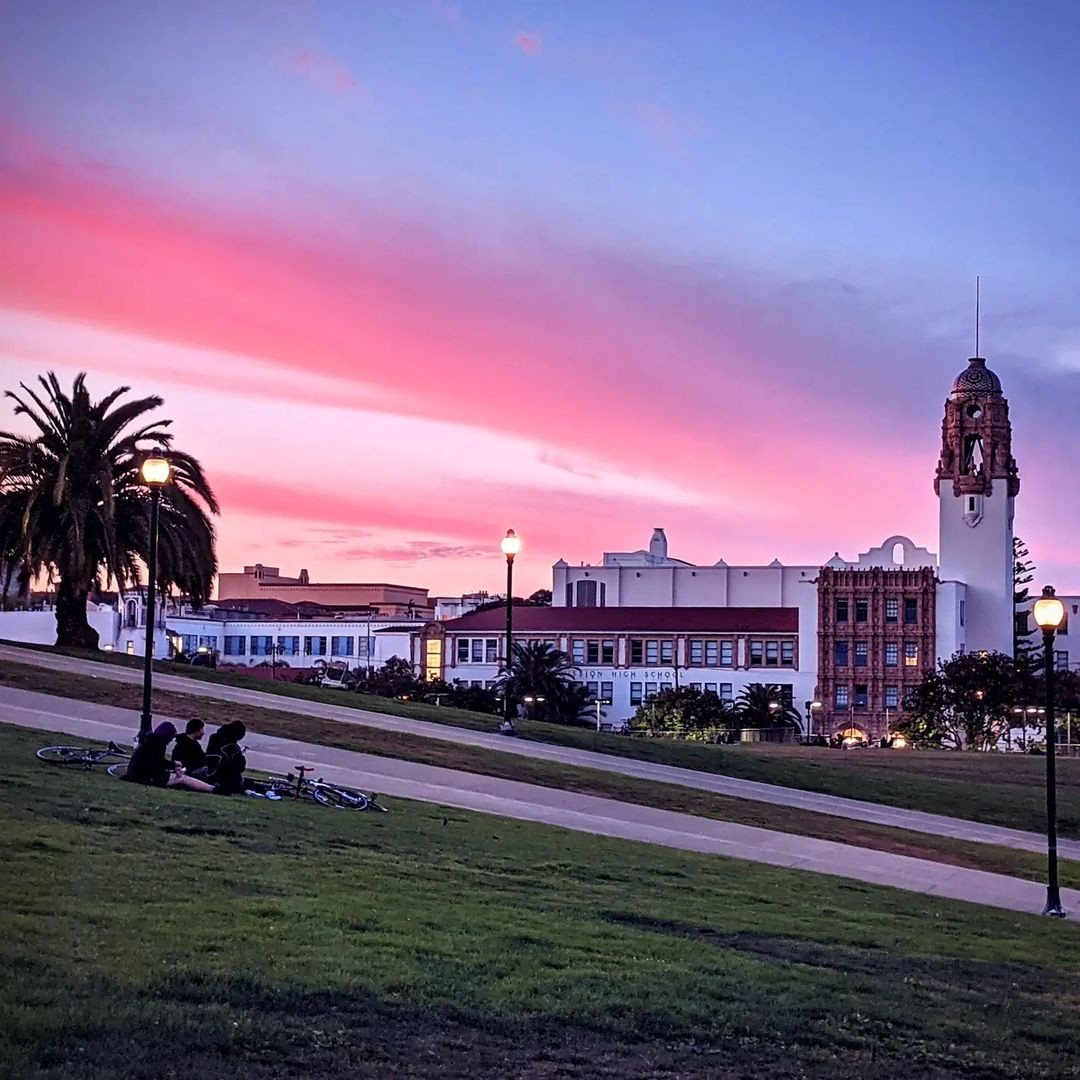
Dolores Park is smaller, louder, and arguably more romantic precisely because it isn't trying to be a postcard. On a clear afternoon the hillside fills with picnic blankets and the downtown skyline sits low against the sky like it's minding its own business, while a taco cart works the corner below. Bring a bottle of something, a blanket, and no agenda. Couples who've lived here for years still treat the upper slope, the one with the skyline view, as the good real estate, so arrive before three on a weekend if that's the spot you want. The playground and tennis courts anchor the lower half, so the upper slope stays a little quieter even at peak hours, and the palm trees along the north side throw useful shade in the late afternoon. The dog-walking crowd thins out around sunset, which is when the park gets genuinely quiet.

Coastal and Hilltop Views
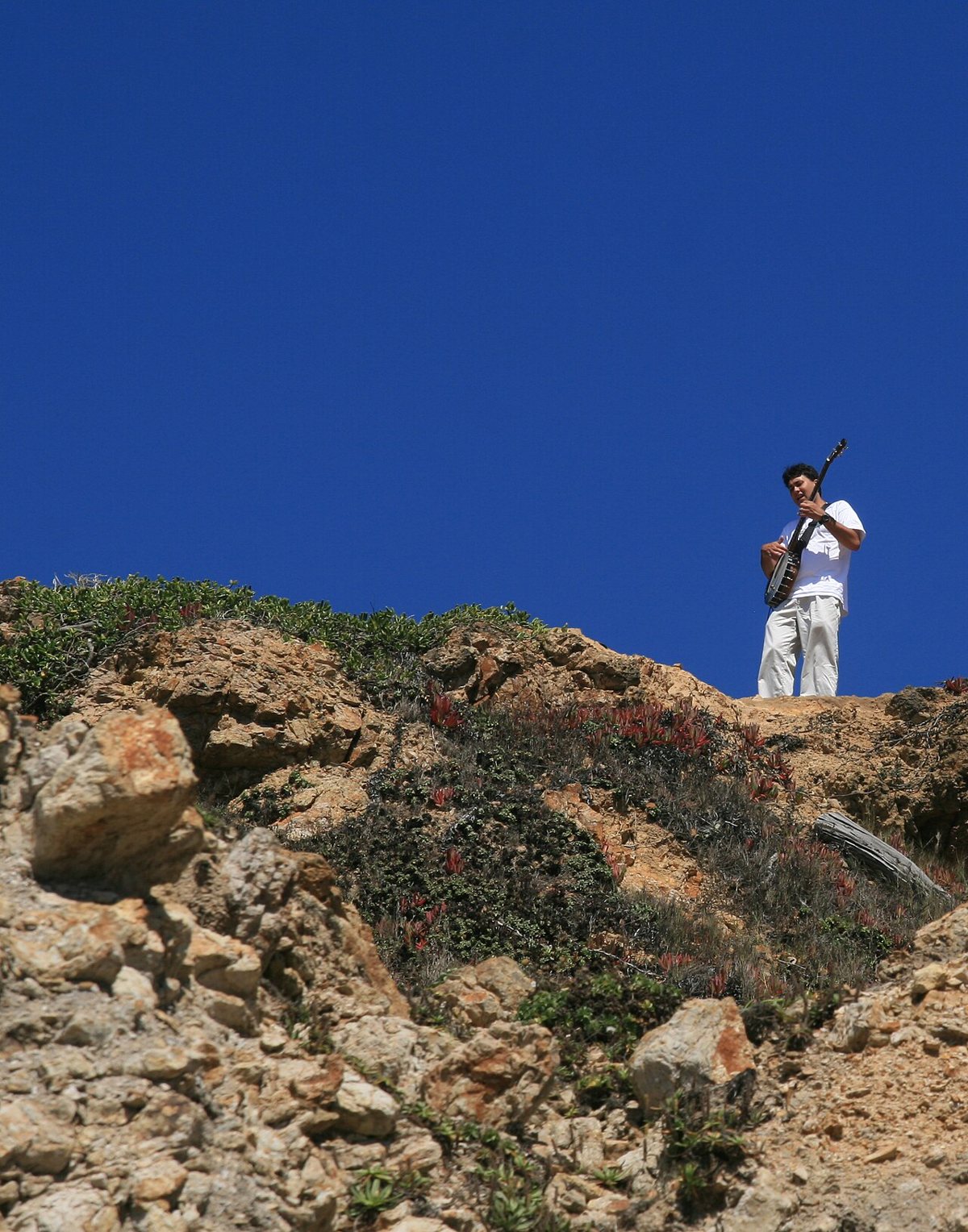
Lands End is where the city stops pretending it's a metropolis and admits it's built on a cliff at the edge of an ocean. The trail along the coast runs a couple of miles through cypress groves and opens suddenly onto views of the Golden Gate that make conversation stop mid-sentence. Walk it in either direction, but the stretch near the Lands End Lookout gives the clearest framing of the bridge without a single building in the shot. A stone labyrinth sits on a bluff above Eagle's Point, built by a local artist and rebuilt by hand more than once after storms took it apart, and it's a strange, quiet place to stand together for a few minutes off the main trail. Wear shoes that can handle dirt and roots, not the ones you were planning to wear to dinner after.

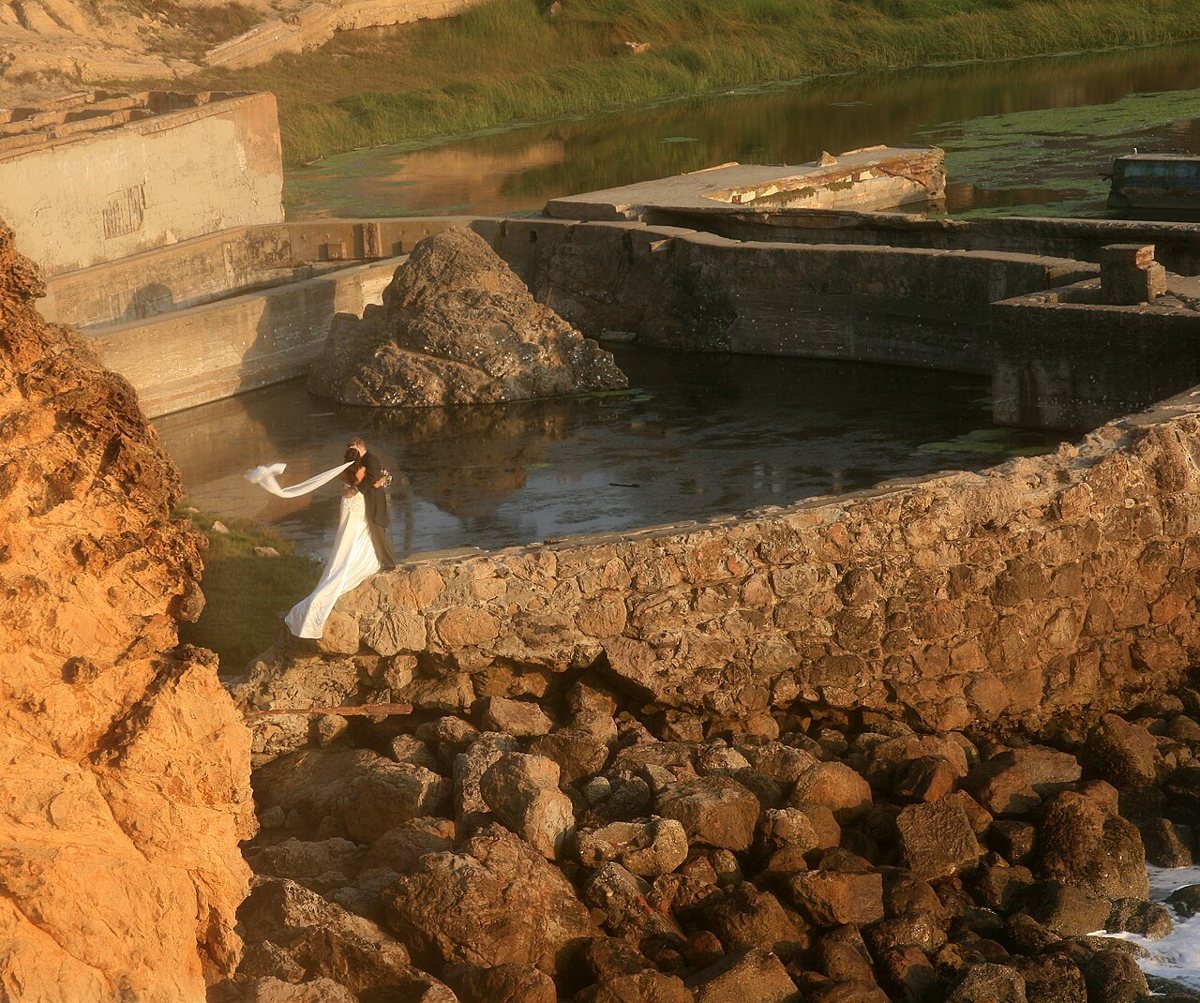
Below Lands End, the ruins of Sutro Baths sit half-swallowed by the Pacific, concrete foundations from a nineteenth-century bathhouse that once held thousands of swimmers under a glass roof, long since gone. Now it's just stone, tide pools, and the sound of waves working their way through the old walls. Couples climb down into the ruins at low tide and sit where the pools used to be. It is free, it is a little eerie in the best way, and it photographs better in overcast light than sun, which in this city works out most days.

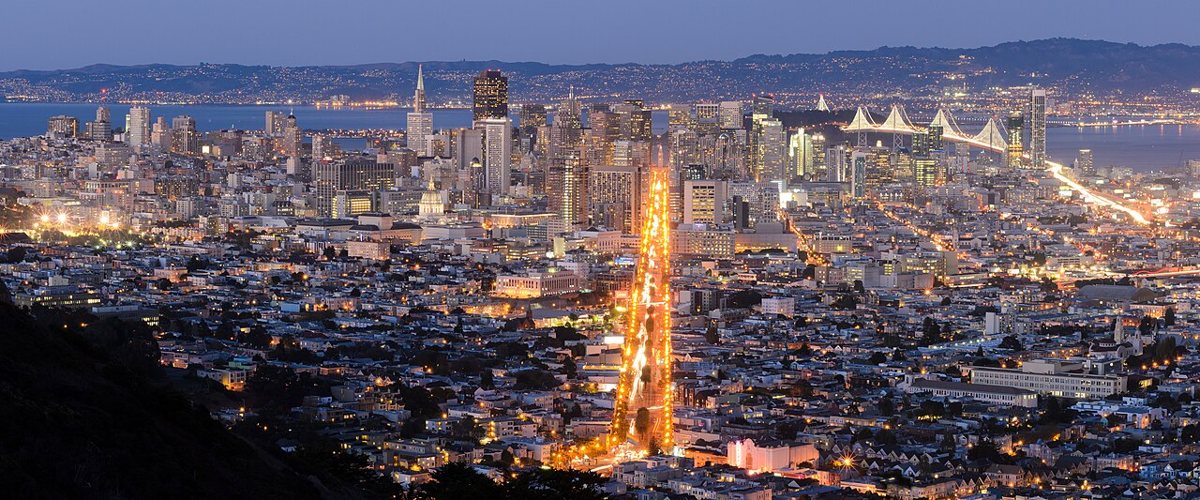
Twin Peaks gets crowded with tour buses at midday, so the couples who actually live here go up near dusk, after the buses have looped back downtown, and watch the entire grid light up from above as the fog decides whether it's coming in for the night. There's a chill up there in every season, no exceptions, so the blanket-in-the-trunk rule applies. Skip the main overlook and walk the short path up to the northern peak instead, where the wind is worse but the crowd thins to almost nobody. The view stretches from downtown to the ocean in one turn of the head, which is more perspective on the city than you'll get anywhere else without paying for it.

The Palace of Fine Arts, a Beaux-Arts rotunda built for a 1915 world's fair and kept around because nobody could bear to tear it down, sits beside a lagoon that swans have more or less claimed as their own. It reads as slightly theatrical, columns and a dome reflected in still water, and that theatricality is exactly why it works for a proposal, an anniversary, or just an evening walk after dinner nearby. The lagoon path is lit in the evening and rarely feels crowded, even when the neighborhood around it is busy. Photographers set up for weddings most weekends, so a weekday evening is the better bet if the goal is having the columns mostly to yourselves. A short walk north puts you on the Marina Green, flat and open with a straight view across the water to Alcatraz, worth continuing to if the evening isn't ready to end.
Baker Beach
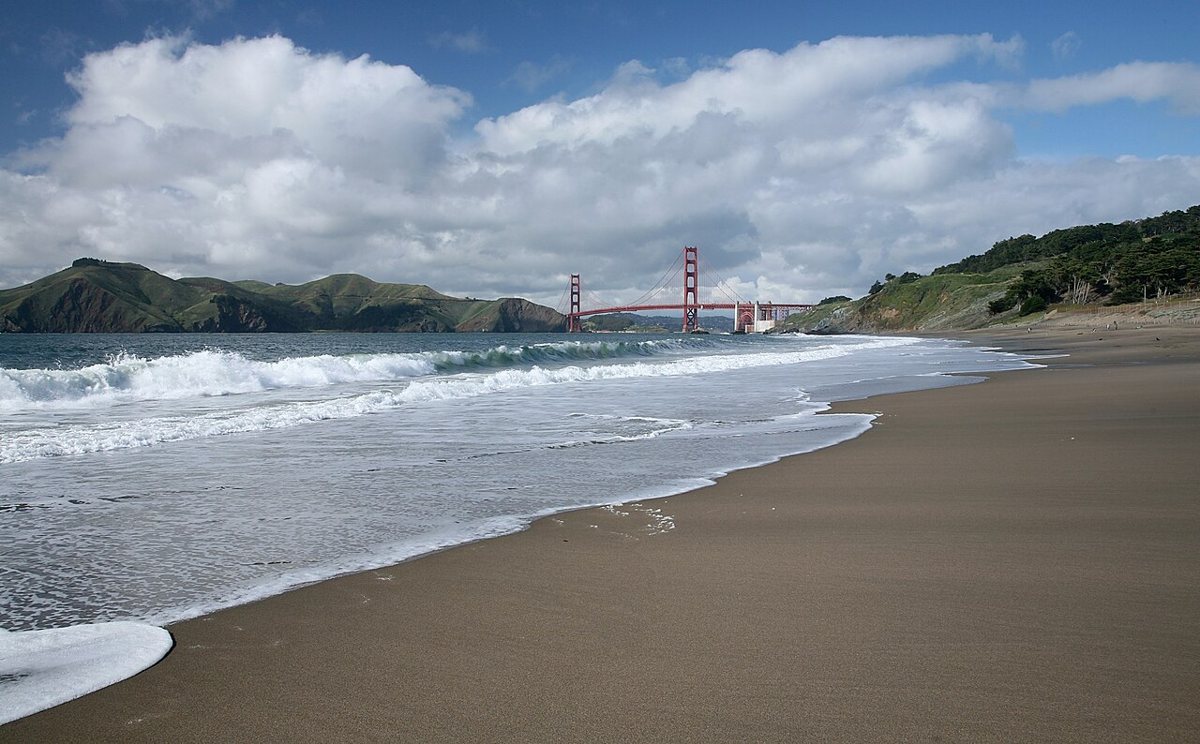
Baker Beach sits inside the Presidio, a long stretch of sand facing the strait with the Golden Gate Bridge rising directly off its northern end, close enough that the scale of the towers becomes obvious in a way it never quite does from a car. The water is cold enough that wading past the ankles is a dare, not an invitation, so this is a sit-on-a-towel-and-talk beach rather than a swimming one. The southern end draws families and is the calmer choice for an afternoon together; the northern stretch, nearer the bridge, has a long informal history as clothing-optional and pulls a different, more freewheeling crowd. Come for late afternoon light, when the bridge towers catch the sun before the fog bank offshore decides whether it's rolling in for the evening. The old gun emplacements cut into the bluff above the sand are worth the short climb, low concrete rooms built for coastal defense a century ago, cold and a little eerie, with a narrow view back down to the water.

Coit Tower and the Filbert Street Steps
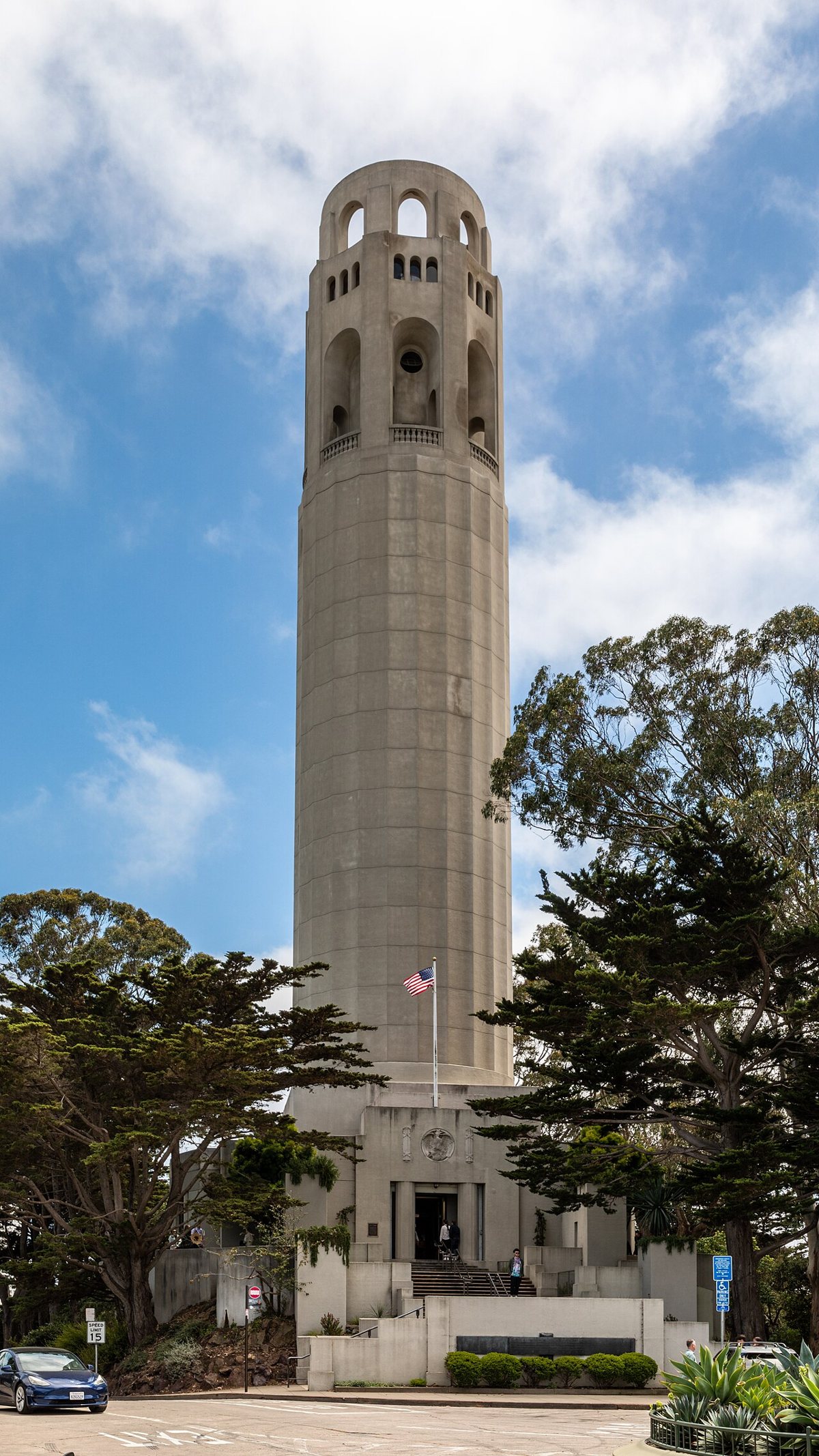
Coit Tower stands at the top of Telegraph Hill, a fluted concrete column built in the 1930s and ringed inside its base by Depression-era murals depicting California labor and daily life, worth circling slowly before riding up to the observation deck for a view that takes in both bridges at once. The better date, though, is the climb up to it. The Filbert Street Steps descend the eastern face of the hill through Napier Lane's wooden-plank gardens, terraced yards thick with fuchsia and jasmine that residents have tended for decades, and the wild parrots that famously colonized this hill can often be heard before they're seen, a loud green flock cutting across the sky between the trees. Climb the steps from the bottom near Levi's Plaza, tour the tower, and come down the quieter Greenwich Steps on the other side for a loop that takes under two hours and counts as the day's exercise. Go on a weekday morning if the goal is having the gardens mostly to yourselves.

Romantic Things to Do in San Francisco After Dark
A Theater Date, Done Right
The Castro Theatre is a single-screen movie palace from the 1920s with a Wurlitzer organ that still gets played before certain screenings, an ornate ceiling that makes people crane their necks before the lights even dim, and a neighborhood outside that has been the center of gay life in the city for half a century. Catching a film here, especially a repertory screening or a sing-along, is a different experience than a multiplex date, slower and more communal, with an audience that actually reacts. Check the current schedule before you go, since programming shifts, but the building itself is worth planning an evening around regardless of what's playing.
One Perfect Drink
The Buena Vista Cafe near Fisherman's Wharf claims to have introduced Irish coffee to America, and whether or not you take that claim at face value, the ritual holds up: hot coffee, Irish whiskey, sugar cubes dissolved just so, a float of cream poured over the back of a spoon. It's touristy, the staff will tell you as much, and it's also genuinely warming after a walk along the cold waterfront, which is reason enough to go. Grab a stool by the front window if one opens up, since the view across the street to the cable car turnaround and the bay beyond is part of the ritual as much as the drink itself. Order one each rather than splitting, since watching the cream float over the back of the spoon is half the point, and a drink that's been carried across town for ten minutes isn't the same one. For something quieter and more contemporary, a natural wine bar in the Mission or on Divisadero is the better bet for a slow, talk-heavy evening, the kind where the wine list is half the entertainment and nobody's rushing you out of the booth.
Food and a Slow Morning Together
Market Mornings
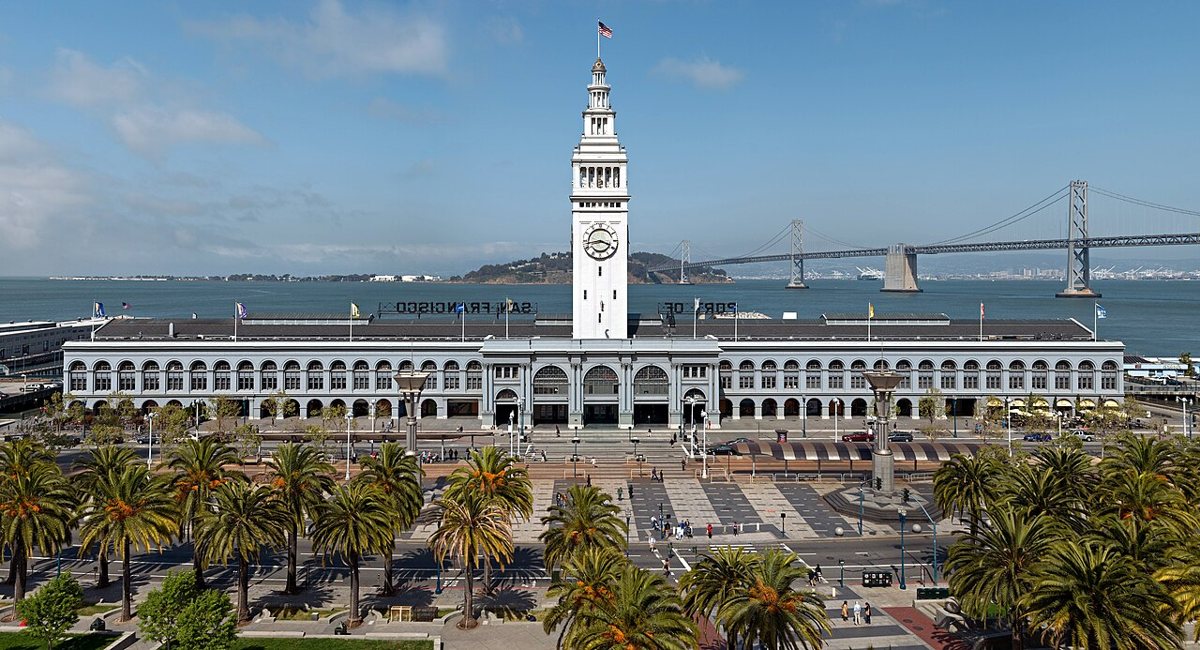
The Ferry Building Farmers Market turns Saturday mornings along the Embarcadero into a moving feast: oyster shooters at a folding table, stone fruit in season, a bakery line that's worth standing in. Couples who do this right treat it as breakfast, not errands, splitting a pastry and a coffee while walking the stalls, then finding a spot on the pier edge to eat with the Bay Bridge in view. It's free to wander, cheap to eat well, and the crowd thins noticeably if you arrive right when it opens rather than at the midmorning peak. The mushroom stall and the cheese counter both reward a slow pass even without buying anything, and there's usually a coffee line short enough to justify the wait. On the bay side of the building, away from the stalls, a stretch of open dock faces the Bay Bridge directly and rarely holds more than a few people, a good spot to finish whatever you bought before walking it off.

The Mission Burrito Ritual
Somewhere between a debate and a tradition, the question of which Mission taqueria makes the best foil-wrapped, rice-and-everything burrito has occupied this neighborhood for decades, and a couple splitting one, plus maybe an horchata, at a shared table is as unpretentious a date as the city offers. The debate itself, over which spot actually makes the best one, has outlived multiple generations of taquerias and shows no sign of resolving, which is part of the appeal since there's no correct answer to defend, only a preference to argue for over dinner. Go for a burrito crawl through two spots instead of committing to one, and let the murals on the surrounding blocks do the scenery work while you eat standing up or on a curb, which is honestly how it's meant to be done. For a gentler version of the same neighborhood energy, a slow brunch on a weekend morning, no reservation rushing you, covers similar ground with a tablecloth.
Art and Murals for a Rainy Afternoon
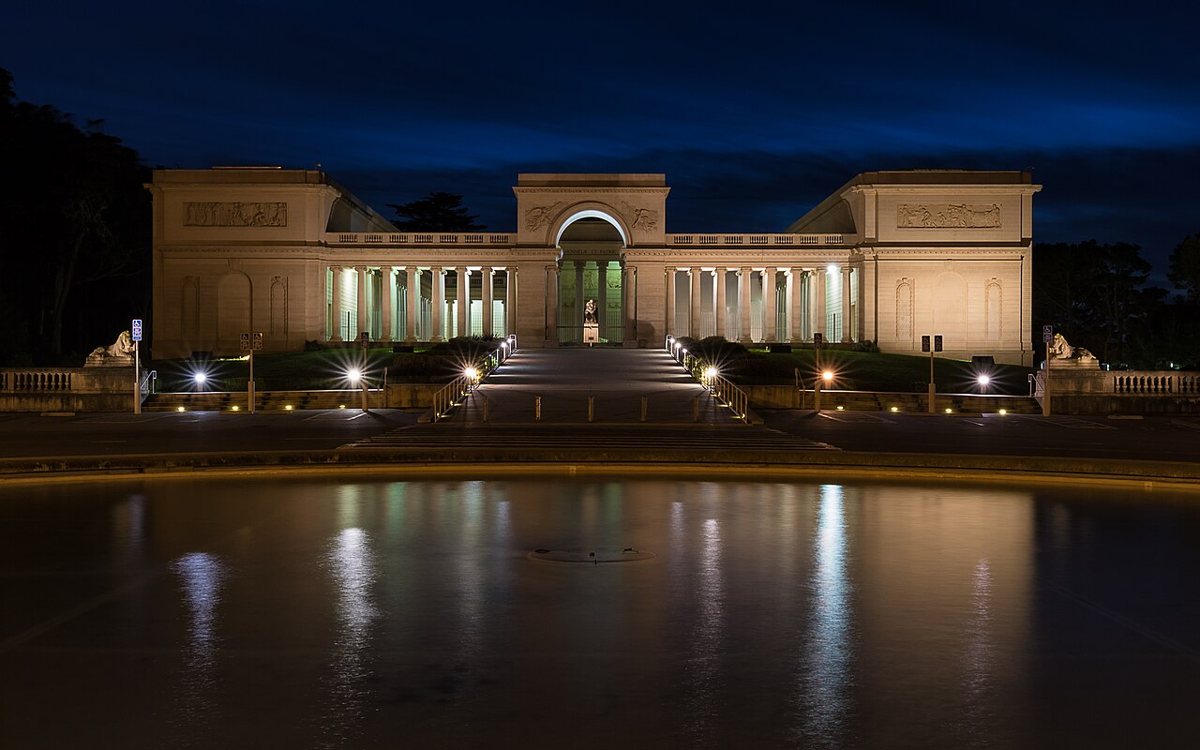
The Legion of Honor sits on a bluff in Lincoln Park with a view of the bridge that rivals anything on the coastal trail, and the collection inside, European painting and sculpture arranged around a courtyard, gives a rainy afternoon somewhere unhurried to go. The building itself, modeled after a Parisian landmark, has an entrance hall that tends to quiet people down the second they walk in. A cast of Rodin's The Thinker sits in the entrance court, weathered from decades outside, and the café at the back of the building opens onto the same ocean view as the front steps, a good place to sit with coffee if the galleries run long. Check current hours before making it the anchor of an evening, since museum schedules shift, but a couple can reliably plan two or three hours around the galleries and the view from the front steps alone.

Grace Cathedral
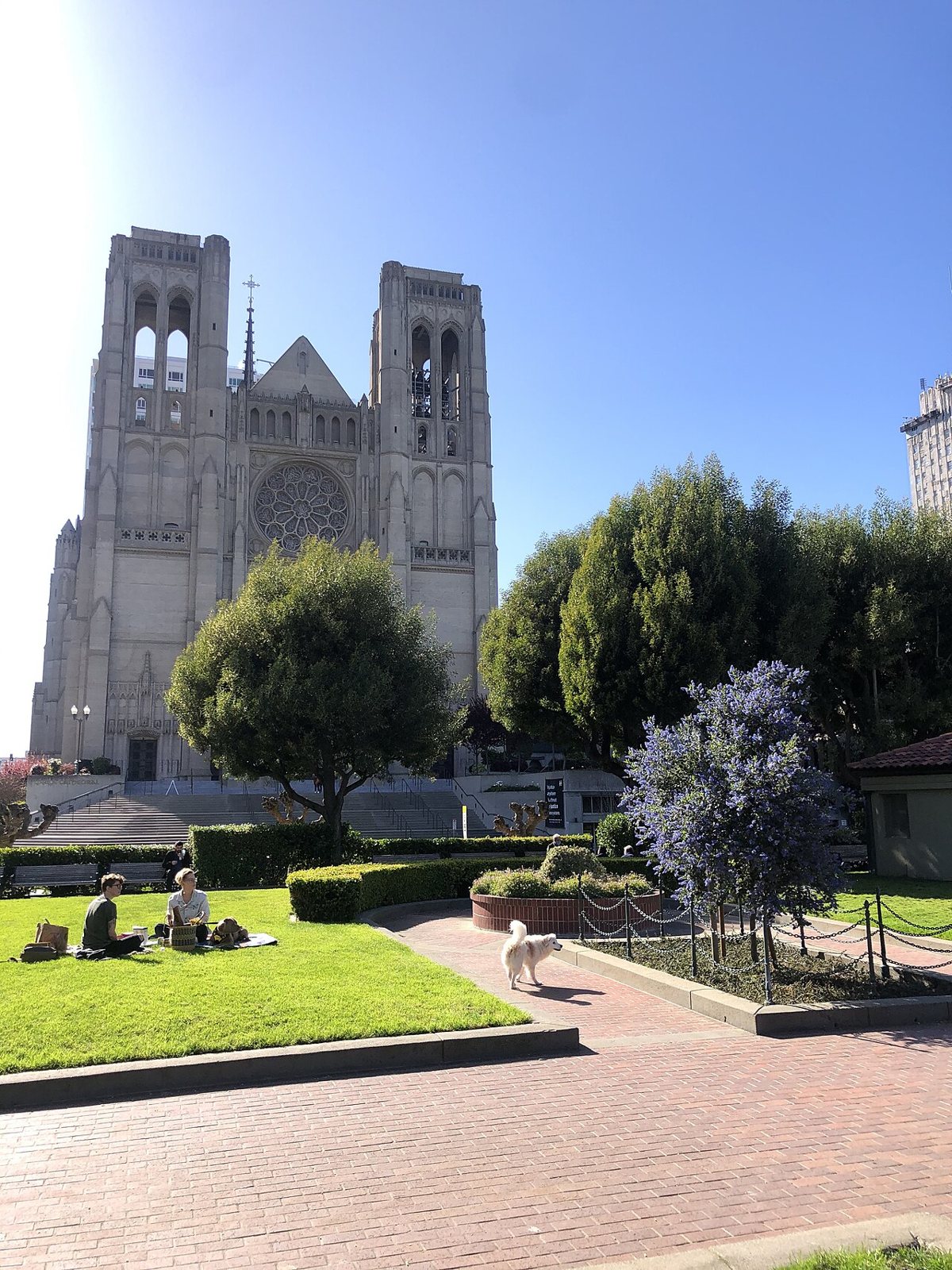
Grace Cathedral sits at the top of Nob Hill, a Gothic Revival building with doors cast from molds of Ghiberti's original bronze panels in Florence and an interior that stays cool and dim even on the brightest afternoon, which makes it one of the better indoor options when the weather turns. Two labyrinths, one woven into the stone floor near the entrance and one laid in terrazzo outside on the plaza, are open for walking most of the day, and tracing one slowly, side by side, without talking, is a stranger and more grounding way to spend twenty minutes together than it sounds. The AIDS Memorial Chapel near the entrance holds a bronze altarpiece by Keith Haring, one of his last major works, and it's a quiet, affecting stop worth slowing down for. Check ahead if visiting during a service or an evening candlelight event, since the schedule shapes how the space feels more than almost anywhere else on this list.

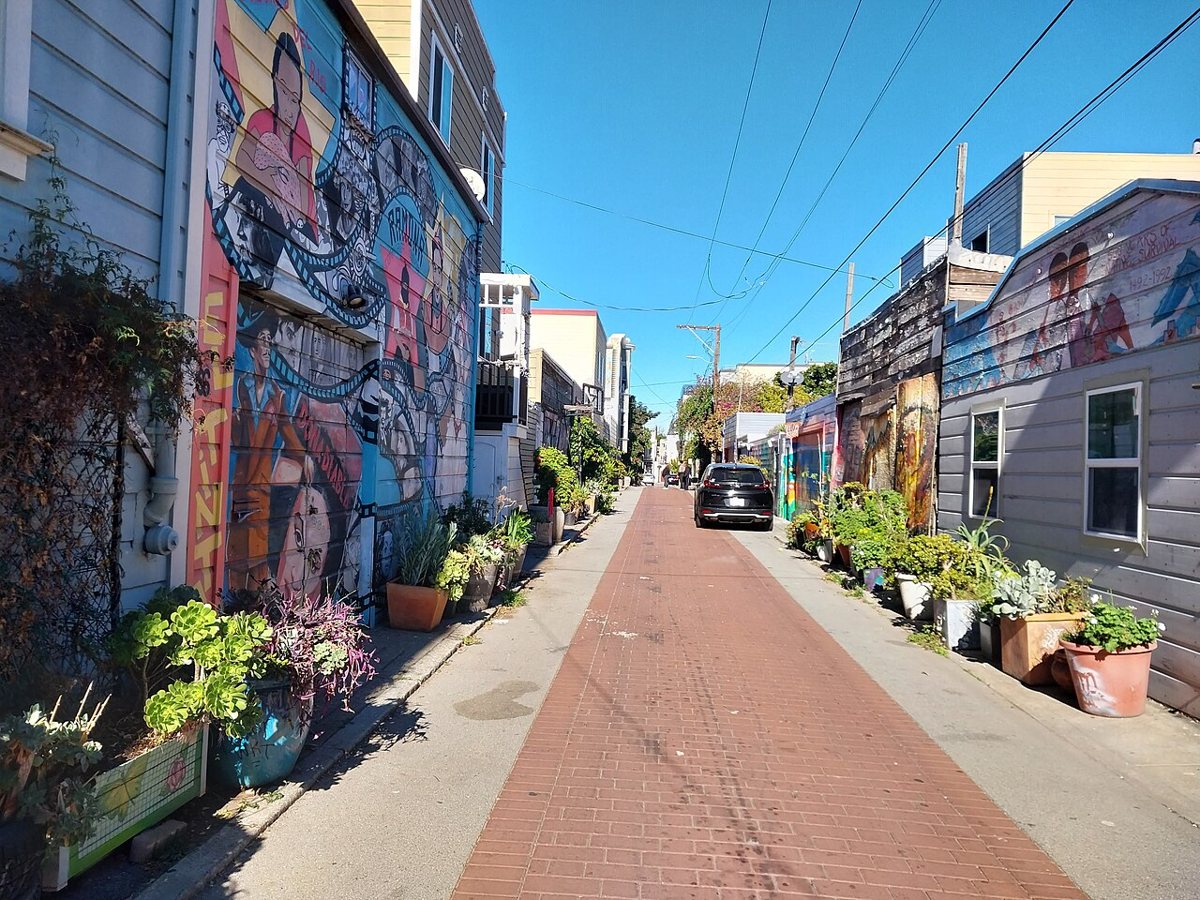
Balmy Alley in the Mission is one block, maybe a hundred yards, and it holds some of the most sustained mural work in the city, layered over decades by generations of local artists responding to politics, migration, grief, and neighborhood pride. Walking it slowly with someone, actually reading the images instead of scrolling past them, turns a fifteen-minute detour into a real conversation about the neighborhood you're standing in. It's free, always open, and best seen on foot in daylight when the colors hold.

Seasonal Romance
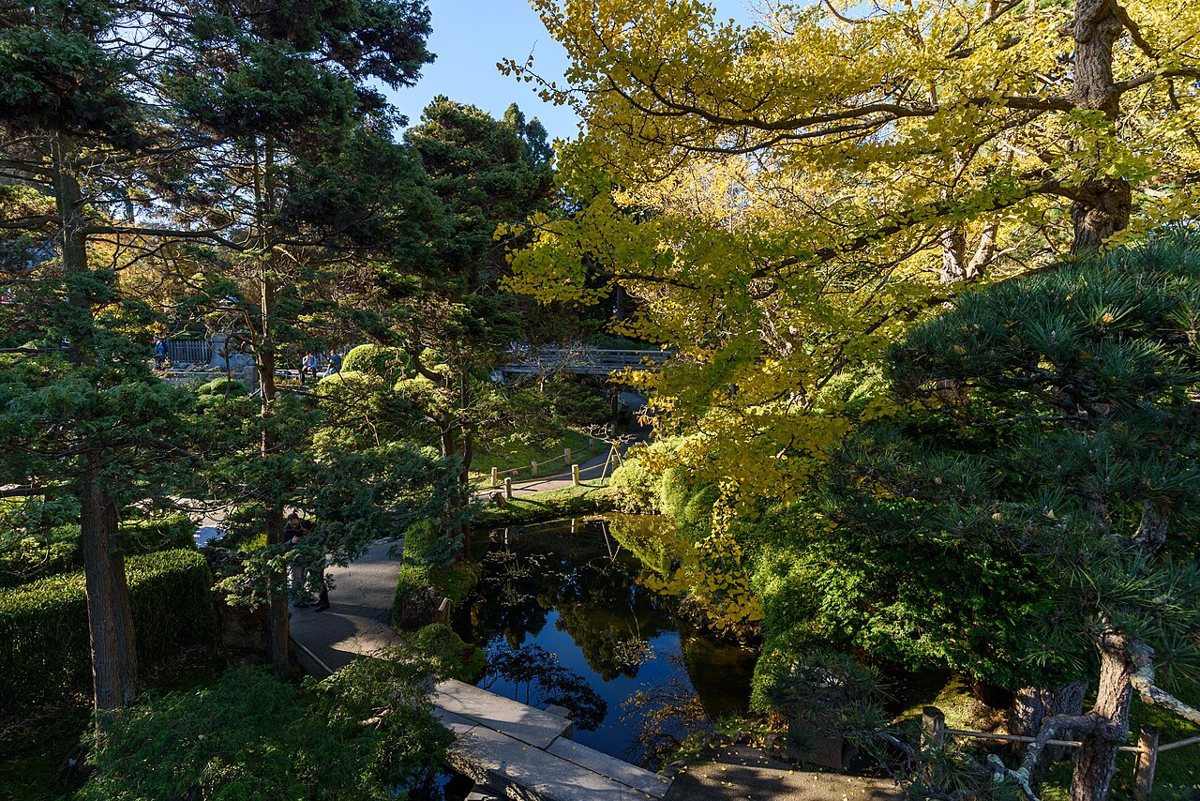
Dungeness crab season, typically running from late fall into winter, turns a lot of ordinary dinners along the waterfront and in North Beach into something worth dressing up for, cracked crab, torn sourdough, melted butter, and napkins gone soft by the end, a meal that basically requires two people and no hurry. In spring, the Japanese Tea Garden inside Golden Gate Park fills with cherry blossoms for a few short weeks, and a couple willing to check timing ahead of a visit gets a version of the garden that looks almost unreal, pink against the dark green of the surrounding pines. Around the holidays, Union Square's tree lighting and the ice rink draw crowds, but a walk through North Beach after dark, past City Lights Bookstore and Washington Square, strings of lights in cafe windows, does the same seasonal work with far fewer people in the frame. Late summer brings the city's real warm spell, typically September into October, when the fog retreats long enough for an outdoor dinner that doesn't require a jacket, a stretch locals half-jokingly call second summer and use as the excuse to book the patio tables they'd normally skip.

Getting Around, Timing It Right, and What's Free
- Most of what's listed here is walkable within a neighborhood, but crossing between them (the Mission to the Richmond, say) is faster by Muni or rideshare than by foot. Budget more transit time than a map suggests, since hills slow everything down.
- Weekday afternoons and early mornings beat weekend midday almost everywhere on this list, from the Ferry Building to Twin Peaks to Lands End. The city's popular spots fill in fast between roughly eleven and four on weekends.
- Layer regardless of the season. A sunny morning in the Mission can mean fog and a fifteen-degree drop by the time you reach Twin Peaks or Ocean Beach the same afternoon.
- A genuine amount of this guide costs nothing: Dolores Park, Lands End, Sutro Baths, Twin Peaks, Balmy Alley, the Palace of Fine Arts lagoon, and wandering the Ferry Building market are all free.
- Check current hours and any admission details before finalizing plans around a museum or theater, since schedules and programming shift throughout the year.
The City Doesn't Perform for You
None of this works if the goal is a flawless day. The fog will roll in when you didn't want it to. The burrito line will be long. The view from Twin Peaks might be half-obscured by the time you get up there. What makes these places worth returning to, year after year, the way locals do, is that they don't require good weather or perfect timing to mean something. A cold walk at Lands End with someone who doesn't complain about the cold is its own kind of romance, arguably a more honest one than a reservation at the right restaurant. The point was never to finish the list. It was to notice the weather changing on someone's face and decide there's nowhere else you'd rather be standing. The couples who do this city well aren't chasing the postcard. They're the ones still standing at the railing after the ship has disappeared into the fog, in no rush to go anywhere else.