Best Museums in San Francisco You Shouldn't Miss
Twelve real museums, three neighborhoods deep in fog, and an honest map of where the city's most interesting rooms actually are.
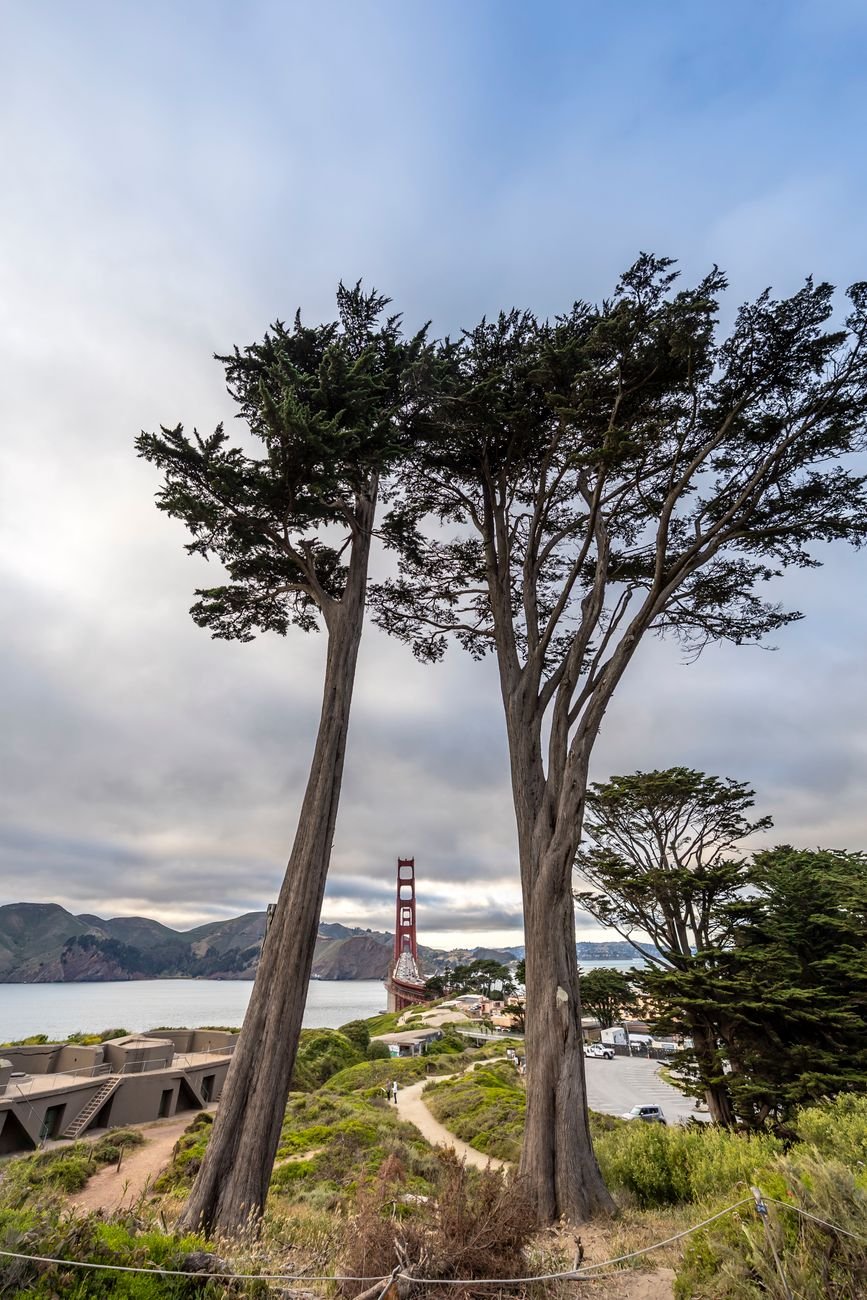
By nine on a foggy Saturday, the Music Concourse in Golden Gate Park already has two lines forming on opposite sides of the fountain: one for the de Young, one for the California Academy of Sciences, and a shorter, more confused line of people who clearly walked here expecting one building and found two. A street musician sets up near the tunnel toward the Japanese Tea Garden. A kid presses his face against the Academy's living roof glass, hunting for the alligator. This is the real center of gravity for the city's museum life, though it takes most visitors a few wrong turns to figure that out.
San Francisco's museums don't cluster the way a city this size might suggest. Three sit inside one park. A handful more sit shoulder to shoulder in SoMa, a short walk from the ballpark. A few more are scattered so deliberately across single-story neighborhoods that finding them feels like local knowledge rather than tourism. Any honest accounting of the best museums in San Francisco has to work with that scatter instead of pretending the city organized itself into a tidy museum row. It didn't. Here's where to actually go, in the order the geography suggests, with the specific rooms worth your time inside each one.
Golden Gate Park Holds the Best Museums in San Francisco, Full Stop
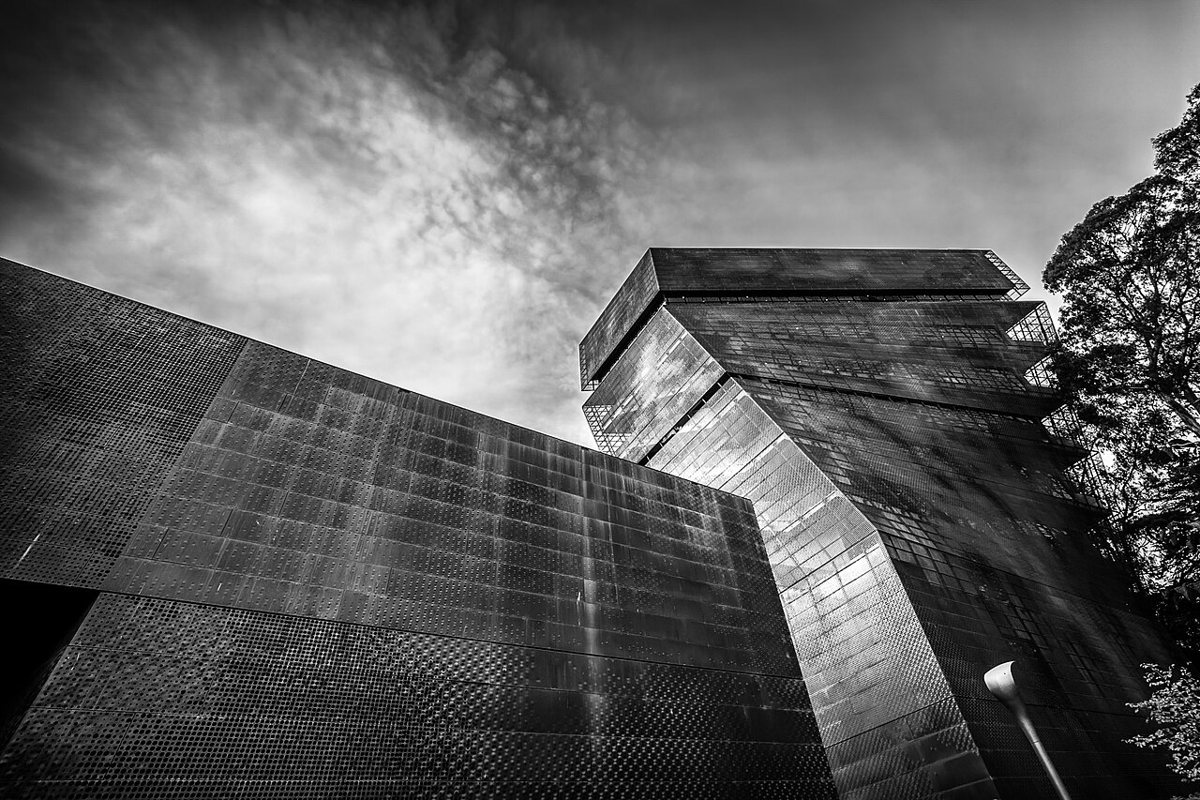
The de Young anchors the Music Concourse with its copper-clad tower, a building that was controversial when it opened in 2005 and has since become as much a part of the park's silhouette as the trees around it. The permanent collection runs deep in American painting, textiles from Africa and Oceania, and a rotating program of design and photography shows that pull real crowds. Go up the tower for the free observation floor, which gives you a 360-degree read on the park canopy and the fog line moving in off the Pacific, something most visitors skip entirely because they don't realize it's up there. The insider move is timing a visit around the tower elevator rather than the galleries themselves, since the view costs nothing and the line for it is almost always shorter than the ticket line downstairs.

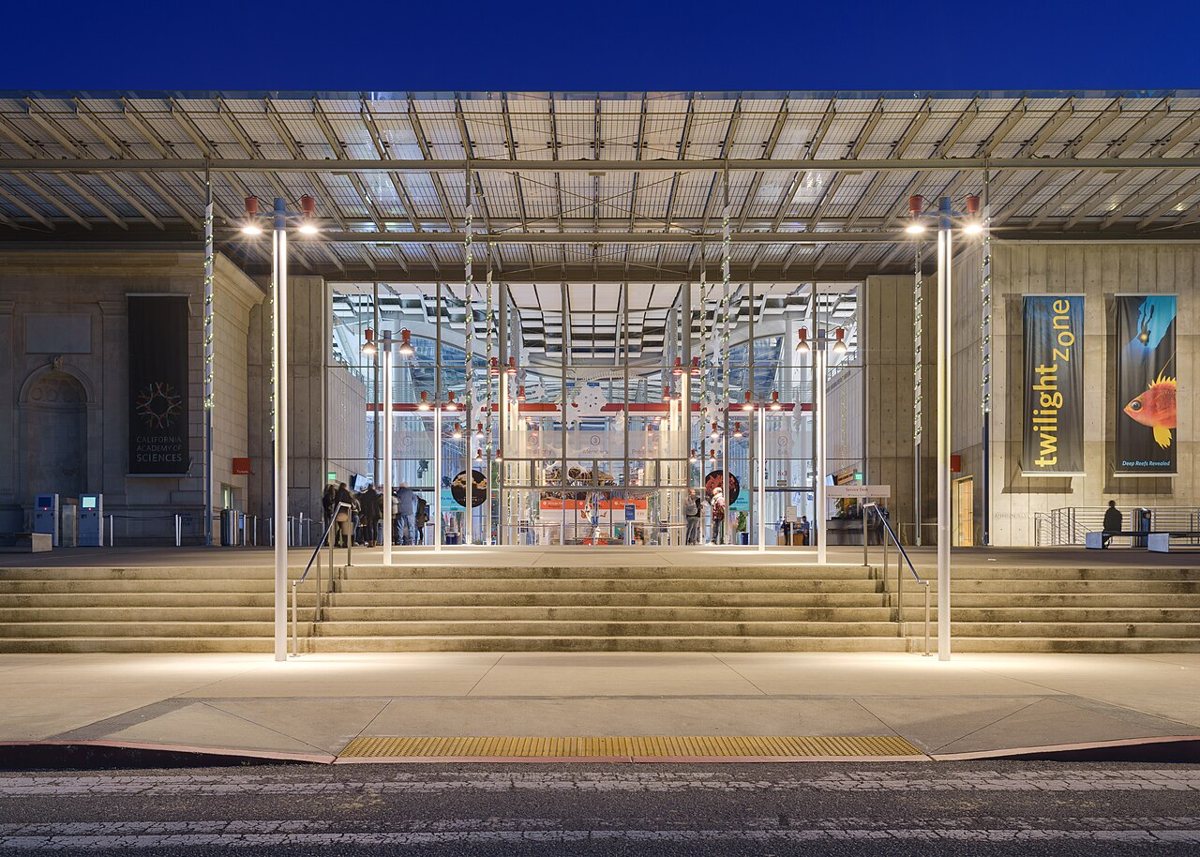
Directly across the Concourse, the California Academy of Sciences does the improbable trick of being a natural history museum, an aquarium, a planetarium, and a rainforest dome under one roof, topped by a living roof planted with native species that ripples when the wind comes through. The rainforest exhibit runs you up through three levels of canopy before dropping you into a basement aquarium tunnel, and the planetarium shows are worth building your schedule around rather than treating as an afterthought. Families tend to dominate here on weekends, so a weekday morning gets you the coral reef tank without the stroller traffic. It's a strange, effective piece of architecture, and pairing a full visit here with a full day in the park around it is close to the platonic ideal of a San Francisco Saturday.

Lincoln Park's Quieter Rival
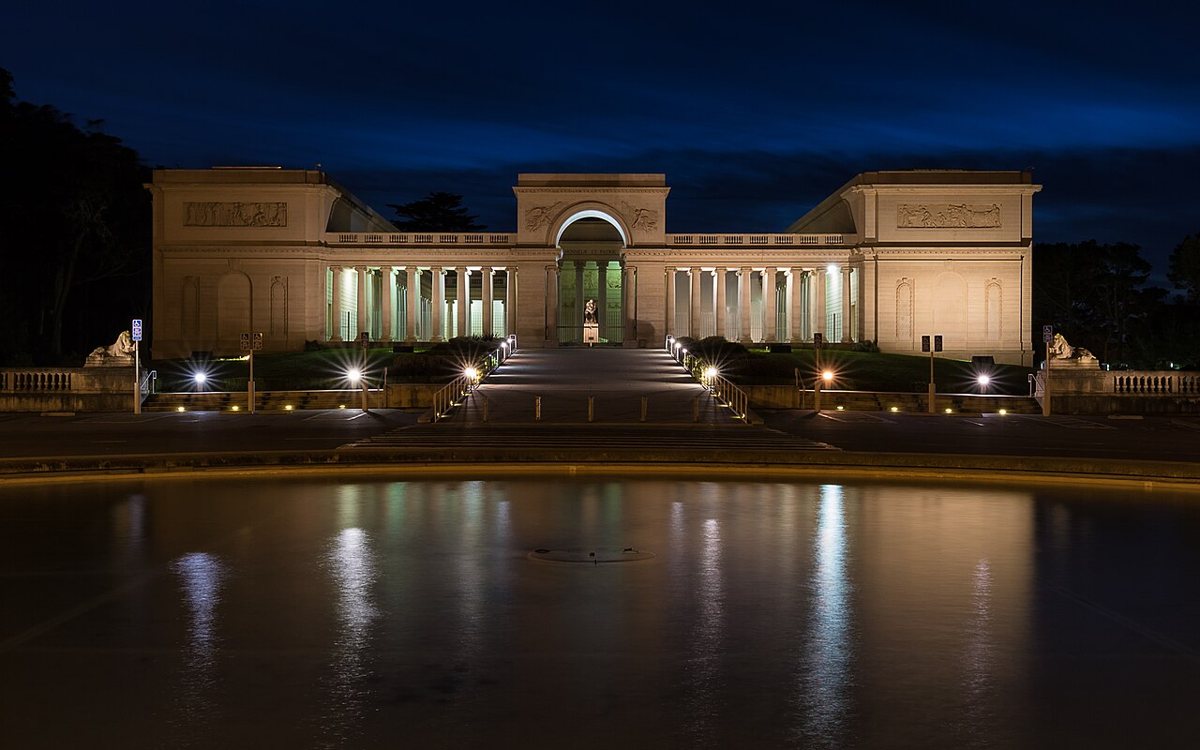
The Legion of Honor sits out past the Richmond in Lincoln Park, on a bluff with a view of the Golden Gate Bridge that the museum's own courtyard practically frames on purpose. Built as a memorial to California's World War I dead, it holds European painting and sculpture spanning centuries, including a strong Rodin collection that includes a cast of The Thinker in the entrance court, plus ancient art and a program of major traveling exhibitions that regularly draw people across the city just for a single show. The building itself, modeled on the Palais de la Legion d'Honneur in Paris, rewards slow walking more than most museums do. The insider tip here is the pipe organ recitals that happen periodically in the Rodin gallery, an odd and genuinely moving thing to stumble into if the timing lines up, and the fact that the parking lot view alone is worth the drive even on a day you don't go inside.

SoMa's Contemporary Cluster
SFMOMA reopened in 2016 with an expansion that roughly tripled its gallery space, and the result is one of the largest museums dedicated to modern and contemporary art in the country. The collection covers Abstract Expressionism, Bay Area figurative painters, a serious photography holding, and enough Diego Rivera and Frida Kahlo work to justify a dedicated visit on its own. The living wall in the second-floor sculpture garden is free to visit without a ticket, which locals use constantly as a cut-through and a lunch spot. Go on a weekday afternoon if you can, since weekend crowds here rival anything at the park museums, and budget more time than you think for the upper photography floors, which tend to get skipped by visitors who run out of steam after the big-name galleries.
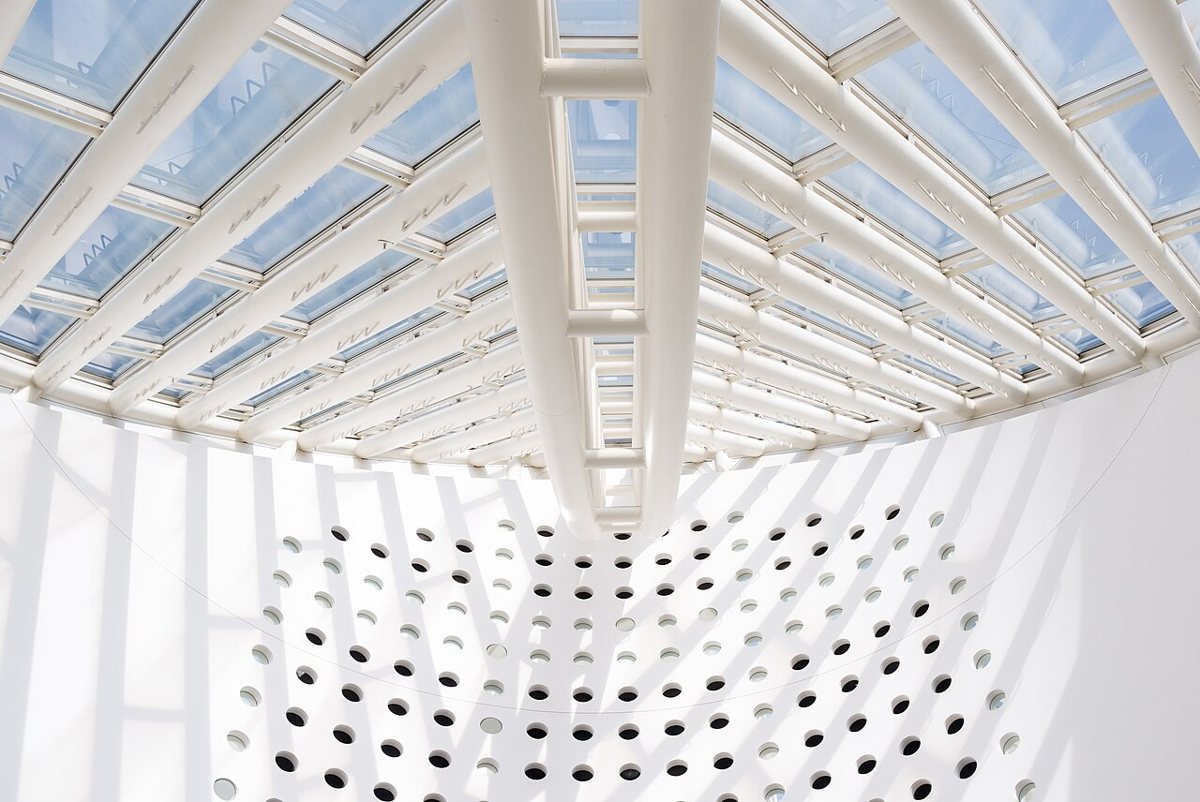

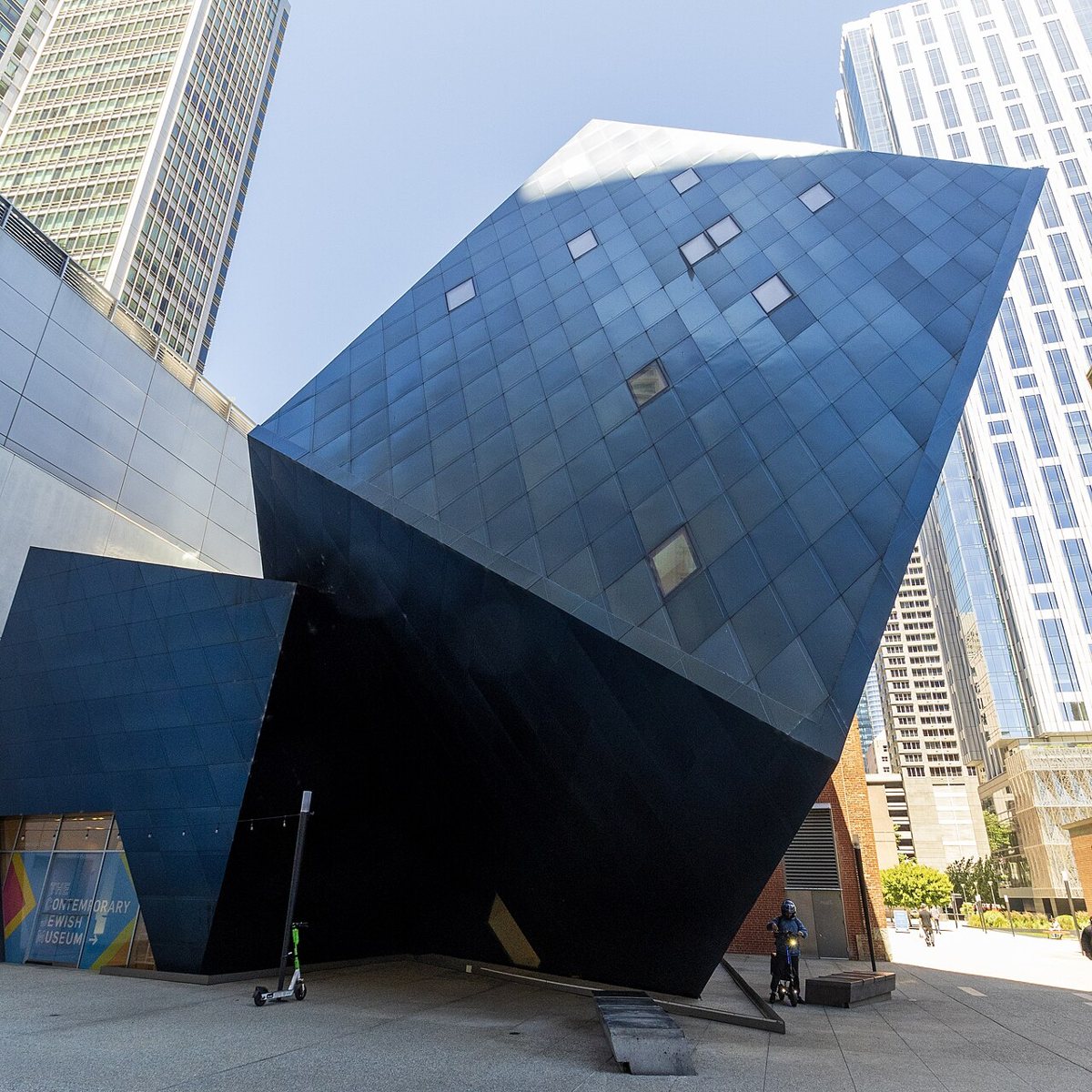
A few blocks over, the Contemporary Jewish Museum occupies a striking blue-steel structure built into a former power substation, with the addition designed by Daniel Libeskind giving the building its angular, faceted shape. The programming leans toward rotating exhibitions on Jewish art, culture, and history rather than a single fixed permanent collection, which means the museum rewards checking what's currently on rather than assuming a set roster of galleries. It's compact enough to see thoroughly in an hour, which makes it an easy add to a SoMa museum day rather than a full destination on its own.

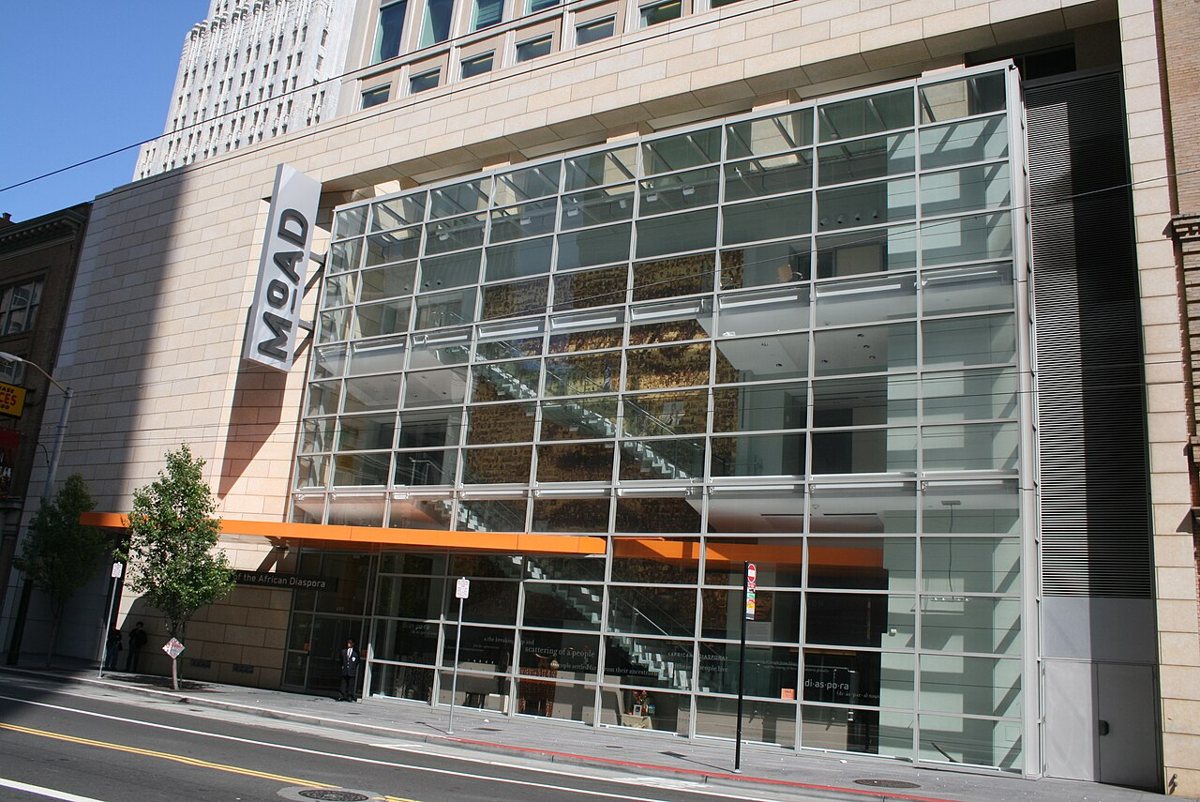
Nearby, the Museum of the African Diaspora, known locally as MoAD, focuses on the art, history, and culture of the African diaspora across continents, with exhibitions that range from historical photography to contemporary painting and sculpture by artists working right now. It's one of the more consistently overlooked stops on this list relative to how good the programming usually is, partly because it sits in the shadow of SFMOMA a block away. Check the current exhibition before you go, since the space is small and entirely rotating, with no fixed permanent-collection floor to fall back on if a particular show isn't your speed.

Civic Center's Serious Collection
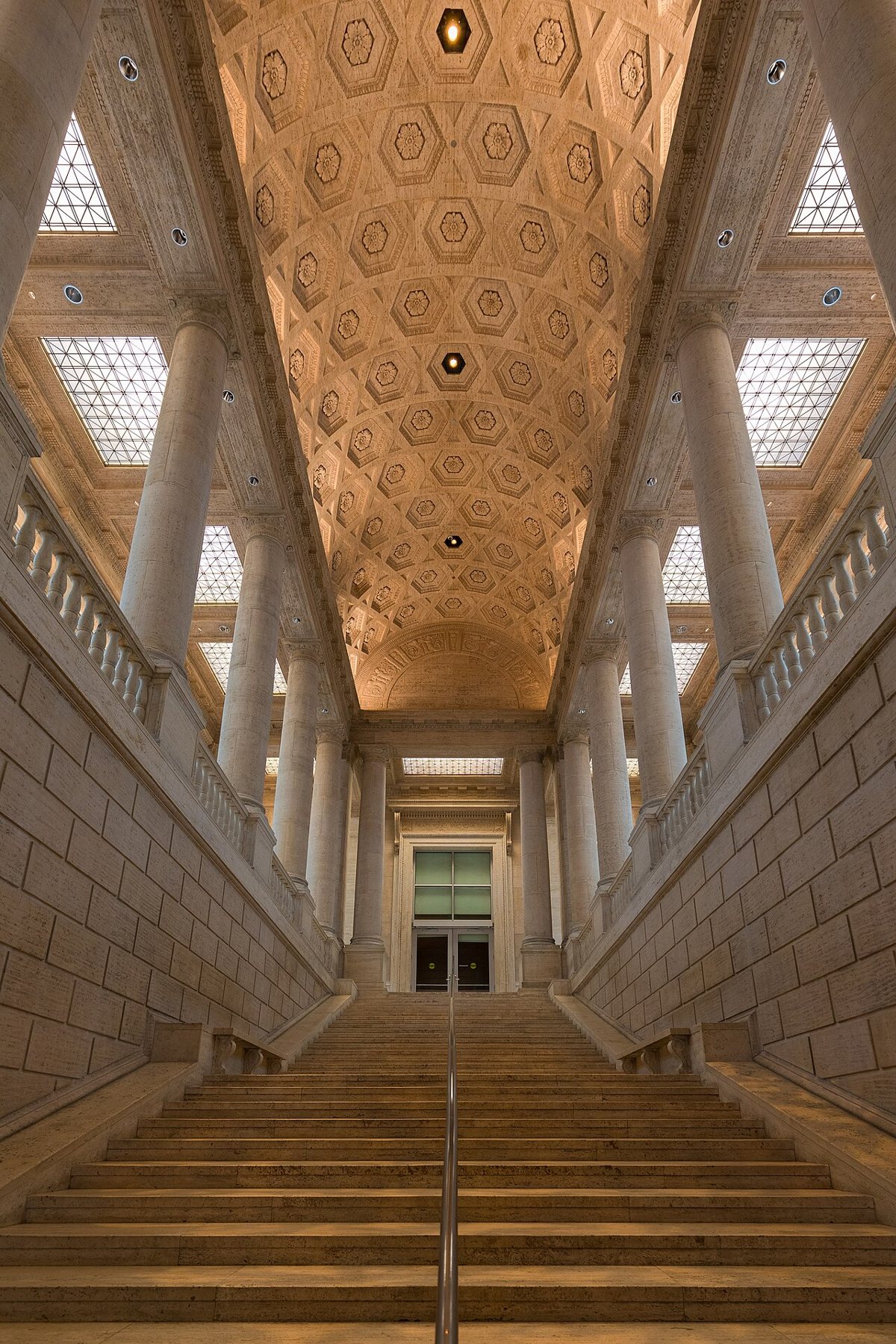
The Asian Art Museum sits across from City Hall in a former main library building, and it holds one of the largest collections of Asian art outside Asia itself, spanning roughly 6,000 years and dozens of countries and cultures. The jade, ceramics, and Buddhist sculpture galleries are the backbone of the permanent collection, and the museum has gotten more ambitious in recent years about contemporary Asian and Asian American artists alongside the historical material. Civic Center itself is a complicated stretch of the city to walk through, and the museum doesn't pretend otherwise. It sits inside a neighborhood that's still negotiating what it wants to be, and that context is worth acknowledging rather than editing out of the visit. The museum's building is worth studying on its own merits too, since the Beaux-Arts shell around a fully modern interior is one of the better adaptive reuse jobs in the city.

The Waterfront's Hands-On Museum
Out at Pier 15 on the Embarcadero, the Exploratorium built its reputation on being a science museum you're supposed to touch, not just look at. It's less a collection of objects than a working laboratory of over 600 exhibits on perception, physics, biology, and human behavior, most of them built to be operated by hand rather than read from a placard. The Tactile Dome, a pitch-black crawl-through space you navigate by touch alone, requires a separate reservation and isn't for anyone with claustrophobia, but it's the single most memorable thing in the building if you can get a slot. Bring kids if you have them, but plenty of adults come without any and leave having spent three hours on pendulums and soap bubbles. The bayfront views from the pier itself, with the Bay Bridge stretched out to one side, are a free bonus most visitors don't linger for as long as they should.

Small Museums, Big Stories
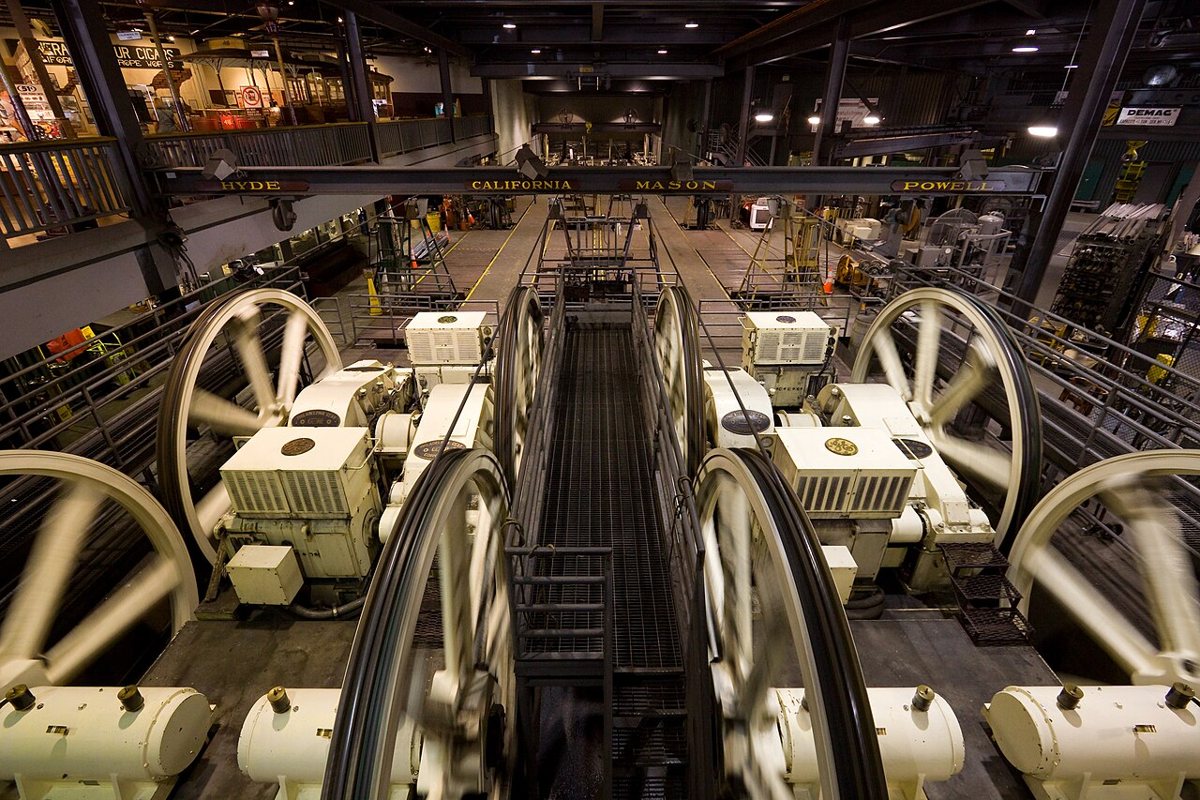
Up on Nob Hill, the Cable Car Museum operates inside the actual powerhouse and barn that still drives the cable system running underneath the city's steepest streets. It's free, it's small, and it's one of the only museums anywhere where you can watch the actual machinery that keeps a piece of the exhibit itself in daily operation, with the massive winding wheels turning right in front of you behind glass. Pair it with an actual cable car ride rather than treating it as a substitute for one. The gift shop is better than you'd expect, and the museum rewards the kind of visitor who likes engineering as much as history.

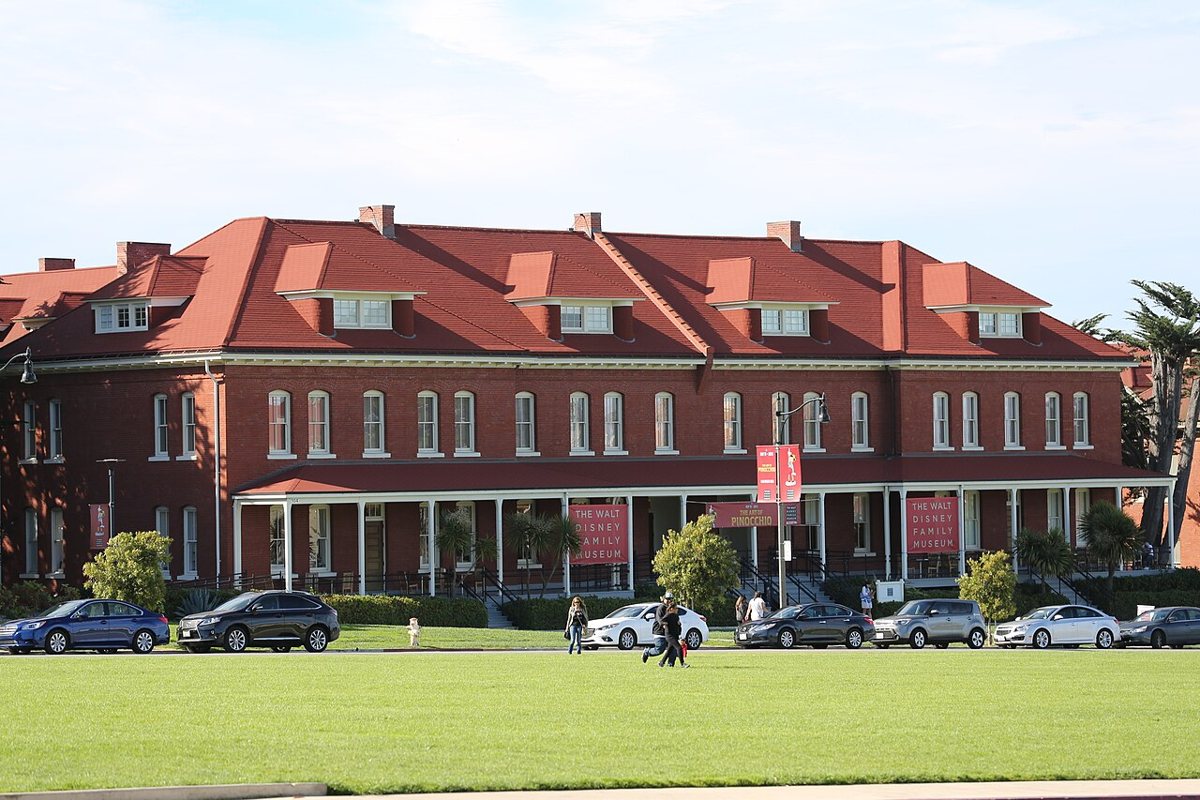
In the Presidio, the Walt Disney Family Museum tells the story of Walt Disney the person rather than the studio's later corporate output, built and endowed by his own family with an emphasis on his early life, the development of animation as a medium, and the technical innovations he pushed through at every stage of his career. The building sits inside a former army barracks, a detail that surprises people expecting something closer to a theme park pavilion. It's a focused, well-curated museum rather than a sprawling one, and the multimedia galleries covering the making of Snow White and Fantasia are genuinely strong on craft and process rather than nostalgia alone.

The GLBT Historical Society Museum, tucked into the Castro a few blocks from the intersection most people associate with the neighborhood, holds the country's largest collection of LGBTQ historical materials, including artifacts, photographs, and archives documenting queer life and activism in San Francisco going back generations. The exhibitions rotate and tend to be small in physical footprint but dense in material, drawing on an archive that scholars use as a primary research resource well beyond what's on the walls. Pairing a visit here with an afternoon out in the city gives the museum's material a physical neighborhood to sit inside rather than treating it as an isolated stop.
Down at Fisherman's Wharf, in a stretch of the waterfront that's mostly aimed at tourists, the Musee Mecanique is a genuine outlier: a free museum of antique coin-operated arcade machines, mechanical fortune tellers, and player pianos, most of them still working if you bring quarters. It's not a fine art museum and doesn't pretend to be one, but it's a real, well-preserved collection with roots going back over a century, and it's one of the few things in that particular stretch of the waterfront that locals will actually recommend without an eye roll.
Getting Around, Free Days, and Timing It Right
Museum-hopping across a city built on hills means thinking about transit before you plan a route. A few practical notes worth keeping in mind:
- Golden Gate Park's museums and Lincoln Park's Legion of Honor are close enough to combine into one day, but the walk between them is long and uphill in places, so budget for Muni or a rideshare between the two rather than assuming it's a stroll.
- SoMa's cluster around SFMOMA, the Contemporary Jewish Museum, and MoAD is genuinely walkable, all within a few blocks of each other and close to BART and Muni Metro stations.
- Many museums on this list offer a free or reduced-admission day once a month or once a week, though the specific schedule shifts often enough that checking each museum's current calendar before you go is worth the two minutes it takes.
- Weekday mornings are consistently the least crowded window across nearly every museum here, especially at the Academy of Sciences and the Exploratorium, both of which draw heavy family traffic on weekends.
- Fog is not a reason to skip an outdoor view like the Legion of Honor's courtyard or the de Young tower. It burns off by midday more often than visitors expect, and the museums themselves are, obviously, indoors regardless.
What the list actually adds up to isn't a ranking so much as a shape. The park holds the biggest crowds and the biggest buildings. SoMa holds the sharpest contemporary programming, funded in no small part by the wealth that's reshaped this city over the past two decades, for better and for worse, in ways the museums themselves don't always acknowledge as directly as the neighborhoods around them do. The small ones, the Cable Car Museum, the GLBT Historical Society, Musee Mecanique, hold the parts of the city's actual identity that the bigger institutions can only gesture at from a distance. A visitor who only hits the de Young and calls it done has seen a museum. A visitor who adds Nob Hill's machinery and the Castro's archive has started to see the city.