Summer Things to Do in San Francisco You Shouldn't Miss
A local's honest, neighborhood-by-neighborhood accounting of what to actually do here between June and September, fog included.
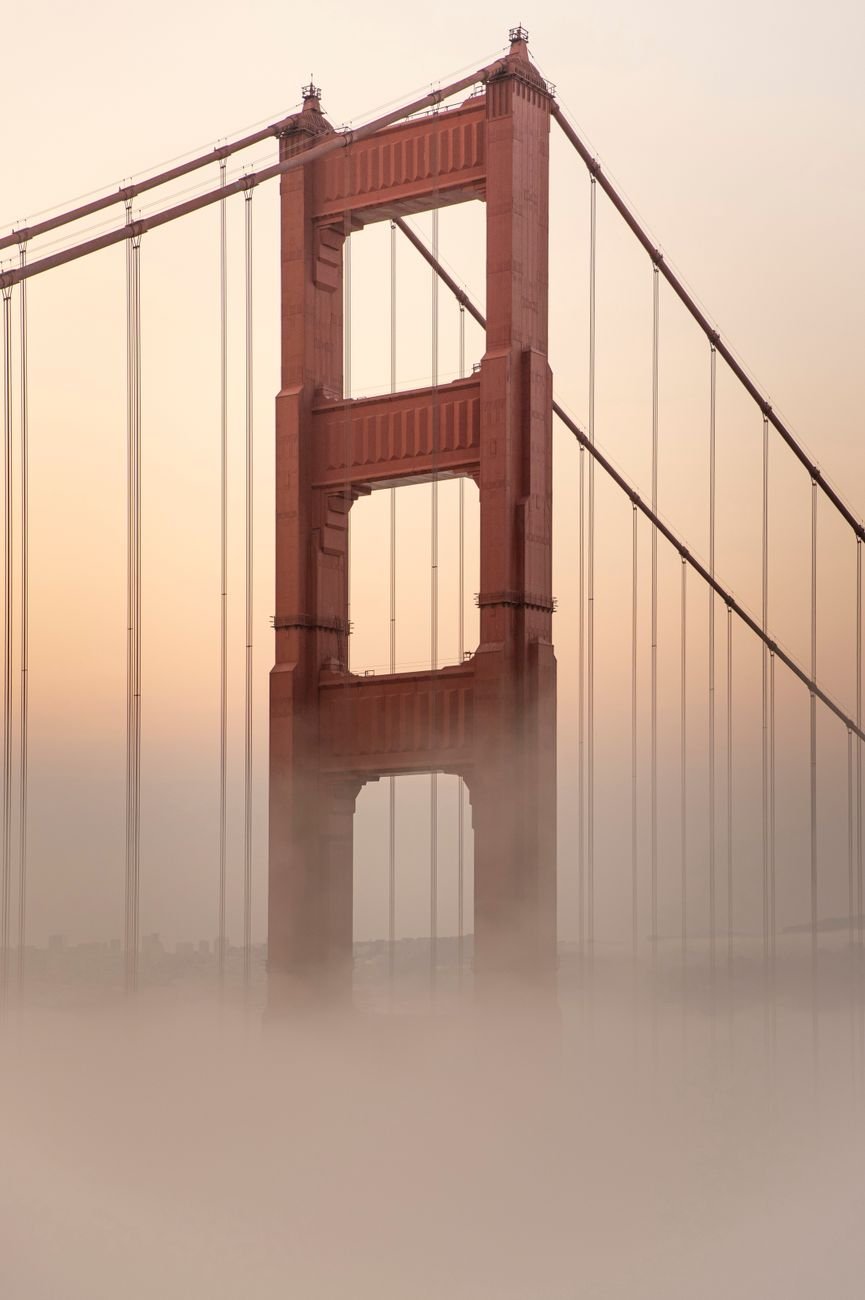
On a Tuesday afternoon in July, the fog rolls over Twin Peaks like a slow tide, swallowing the antenna and dropping the temperature on Portola Drive by fifteen degrees before anyone's even ordered a coffee. Three miles east, in the Mission, people are eating al pastor on Valencia Street in short sleeves, sun on the back of their necks, with no idea what's happening on the west side of town. This is the joke locals never tire of making, and it's also the honest starting point for any list of summer things to do in San Francisco: the weather here is a puzzle you solve block by block, not a season you plan around.
Karl the Fog is not a marketing gimmick. He is a real marine layer that rolls in most summer evenings and sometimes never leaves by noon, and he is the reason Mark Twain never actually said that famous line about the coldest winter being a summer in San Francisco, but everyone keeps attributing it to him anyway because it fits. The truth is stranger and more useful: July and August are often the city's coldest, grayest months, while September and October, once the fog finally breaks its grip, deliver the warm, clear days people picture when they book a June flight. None of that should stop you from coming in summer. It just means dressing like a local and treating fog as scenery instead of a disappointment, with a layer you can add or shed as the block changes around you. Longtime residents have their own shorthand for this: check the fog forecast the way other cities check for rain, and pick a neighborhood based on which side of the fog line you want to be on that day. Some of the best afternoons here happen because the fog forced a change of plans, not in spite of it.
Summer Things to Do in San Francisco, Organized by Neighborhood
The fastest way to waste a summer trip here is to plan it like a checklist radiating out from Union Square. San Francisco rewards the opposite approach: pick a pocket of the city, spend a half day there, and let the fog dictate which direction you walk next. Here's what's actually worth your time, organized the way a local would move through it.
Golden Gate Park and the Foggy West Side
Golden Gate Park is bigger than Central Park and stranger, a three-mile ribbon that runs through eucalyptus groves and bison paddocks before reaching waterfalls that were engineered by hand more than a century ago. Sundays bring a car-free stretch, and the road fills with cyclists and skaters weaving around families who've claimed the same patch of grass for generations. In summer it's often the coolest place in the city, which sounds like a downside until you're sweating on a 70-degree day in the Mission and realize the park is sitting at 58 with fog drifting through the cypress. Rent a bike near the panhandle and ride the full length to Ocean Beach, or just walk into Shakespeare Garden or the buffalo paddock and let an afternoon disappear. Stow Lake, near the park's center, has paddle boats and a small waterfall on Strawberry Hill that most visitors never find, and the de Young Museum's tower offers a free observation deck with a 360-degree view over the park canopy toward the ocean. When the weekend turns warm, skip the crowded eastern entrance and come in from the Fulton Street side instead, where the fog usually thins out first.
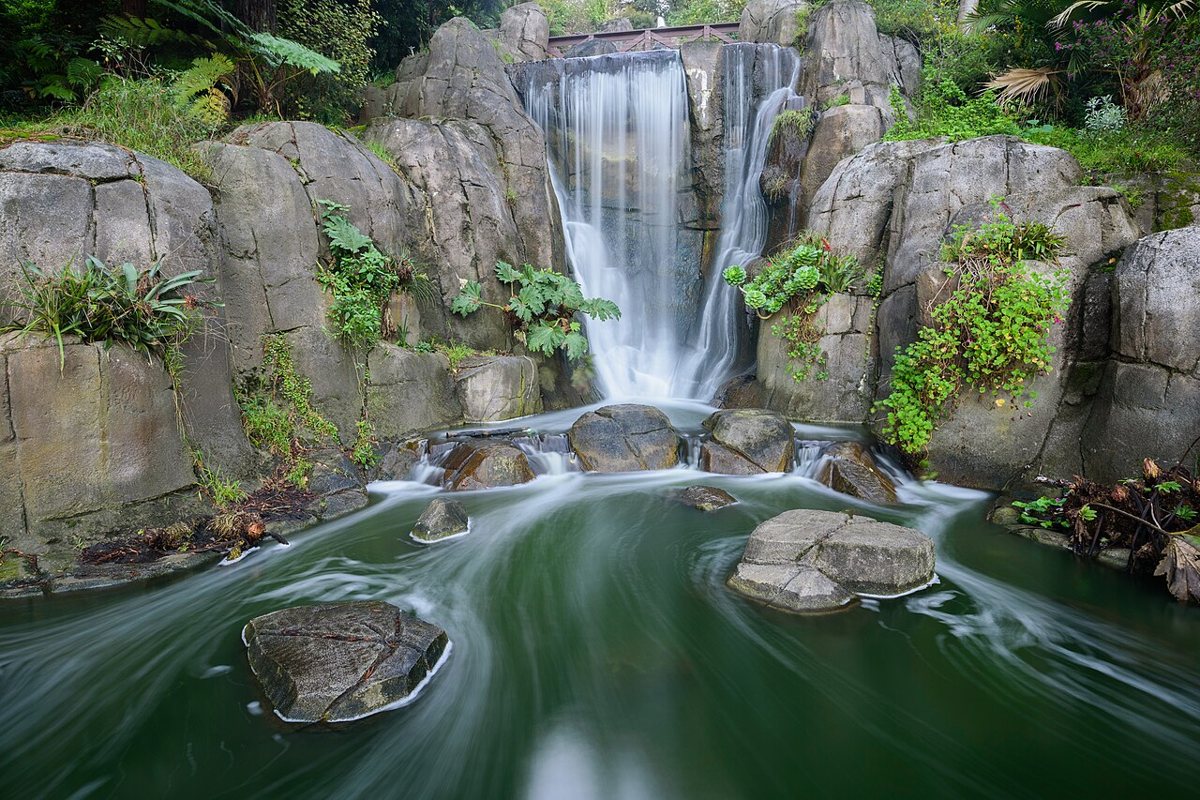

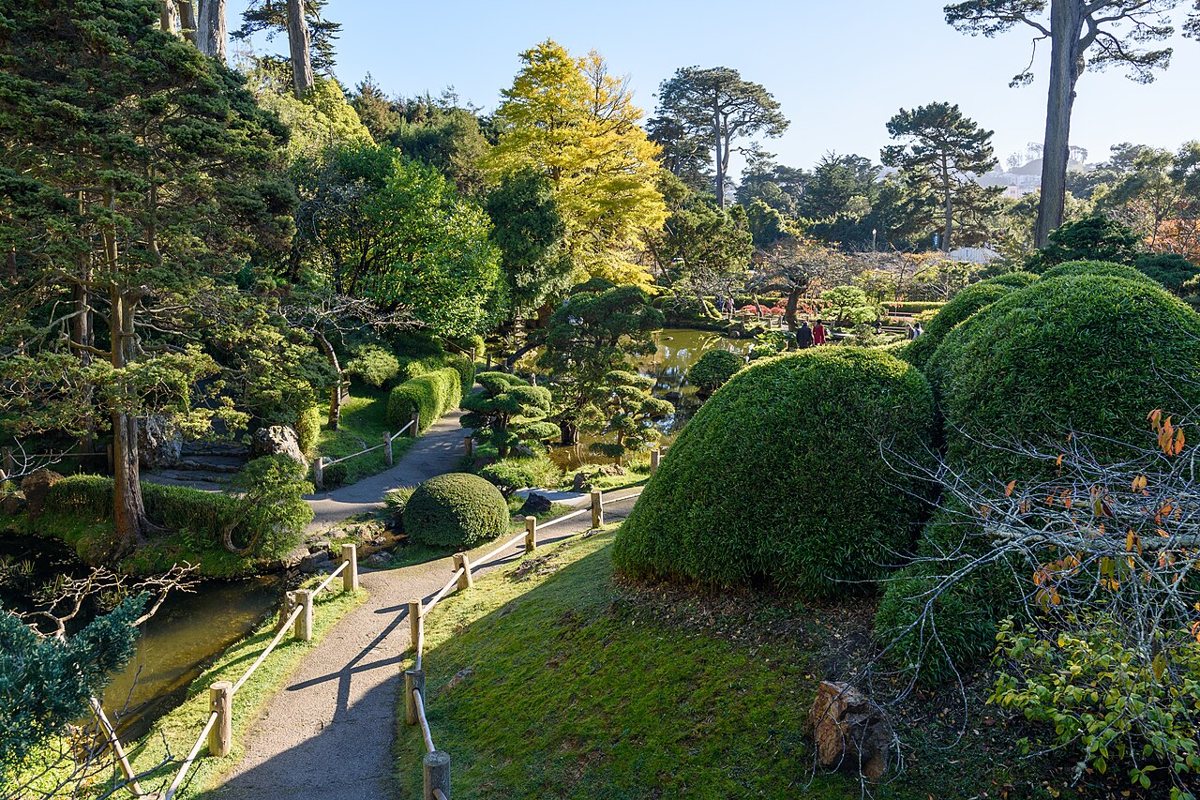
Inside the park, the Japanese Tea Garden is the oldest public Japanese garden in the country, older than the park's more famous landmarks, built for the 1894 California Midwinter Exposition and tended ever since by generations of gardeners who kept it alive through internment-era neglect and postwar indifference. Wooden bridges arch over koi ponds, and a bronze Buddha sits under a canopy of Japanese maples. Near the pagoda you'll find one of the few spots in the city where the noise actually drops instead of just moving to a different frequency. It's compact enough to see in under an hour, which makes it an easy pairing with a longer park walk. Arrive before the tour groups, and the whole garden can feel like it belongs to you.

The Presidio, the Bridge, and the Coastal Trail
The Presidio spent more than two centuries as a military post before it became a national park, and the seams still show if you know where to look. Old officers' housing now holds cafes and the former parade ground works as a picnic lawn. Out toward the headlands, old bunkers frame some of the best Golden Gate Bridge views in the city. Crissy Field, the reclaimed airfield along its northern edge, is where locals actually go to walk a dog or watch container ships slide under the bridge while the fog decides whether to cooperate. Baker Beach, tucked on the Presidio's western shoulder, gives you a rare straight-on view of the bridge from below, and the hike out to Inspiration Point through the eucalyptus forest is quiet even on busy weekends. It rewards slow exploration more than a single stop does. Pack a windbreaker even if downtown felt warm when you left, because the wind off the bay through this stretch is relentless and has nothing to do with the temperature on your phone.
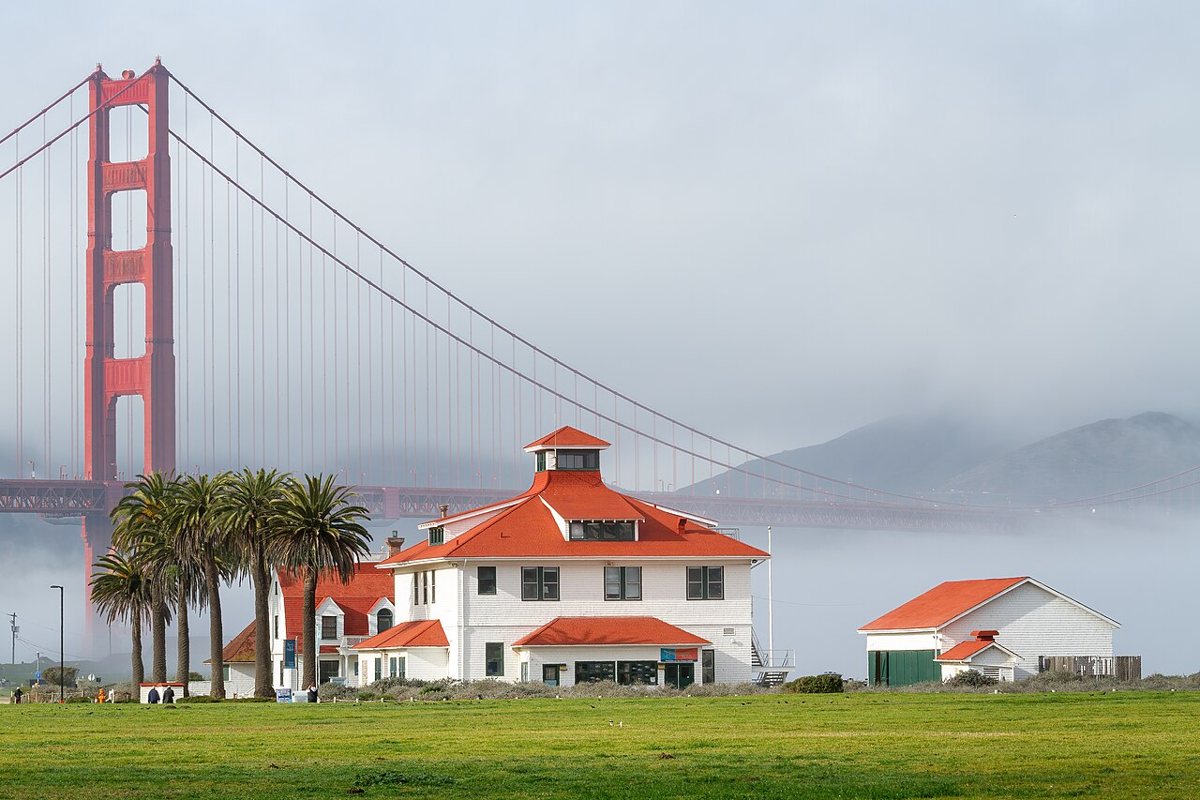

The Golden Gate Bridge itself earns the crowds, and walking or biking across it, rather than just photographing it from a pullout, changes how you understand the city's whole geography. From the span you can watch the fog bank stack up against the Marin headlands on one side while the bay stays clear on the other, a split-screen effect that photographs of the bridge never quite capture. The pedestrian walkway can be windy and cold even in August, so this is not the outing for shorts and a T-shirt. Most first-time visitors never make it to the Marin side, which is a shame, since the view looking back at the city with the bridge in the foreground is the one worth crossing for.
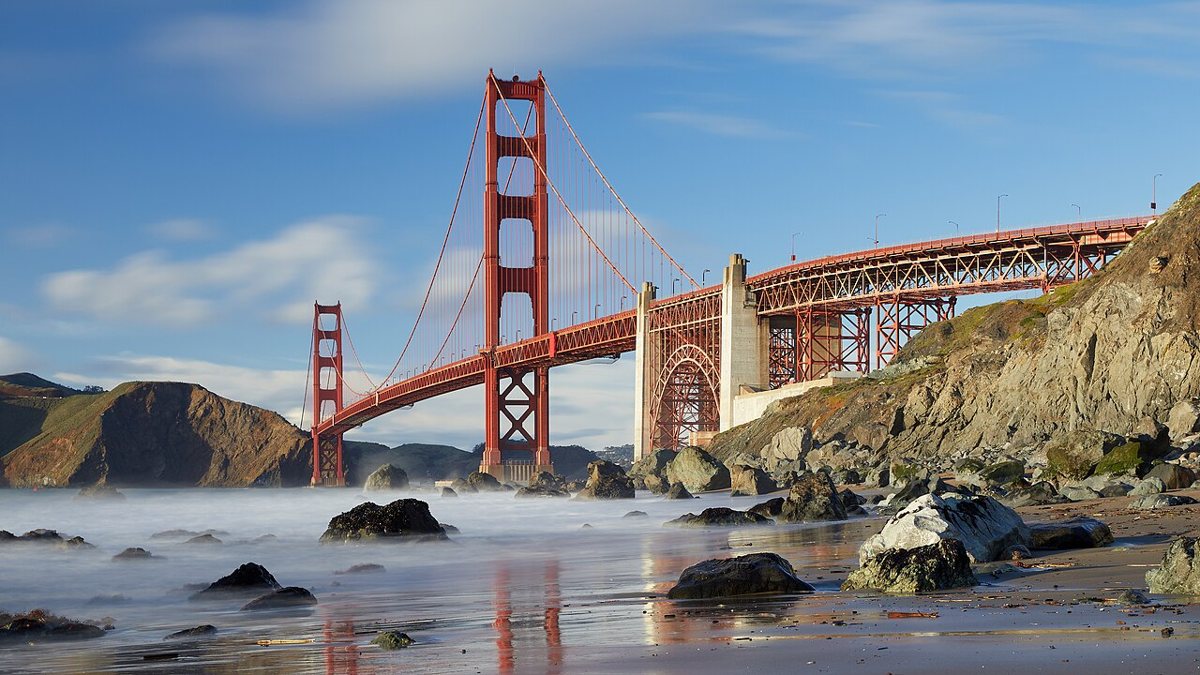

Lands End picks up where the Presidio's coastal trail leaves off, a wind-carved stretch of cliffs and cypress with the ruins of the old Sutro Baths still visible in a concrete foundation below the trailhead. The Sutro Baths were once the largest indoor swimming complex in the world, a Gilded Age fantasy that burned down decades ago and left behind a set of tide-pool ruins that feel more like an archaeological site than a park amenity. The trail out to the Lands End Lookout has unobstructed views of the Golden Gate Bridge from the west, which is a genuinely different angle than the tourist-standard shots, plus a labyrinth built by a local artist that quietly reappears every time storms wash it away. Wear real shoes. The trail is uneven, exposed to wind, and easy to underestimate.

Ocean Beach and the Sunset
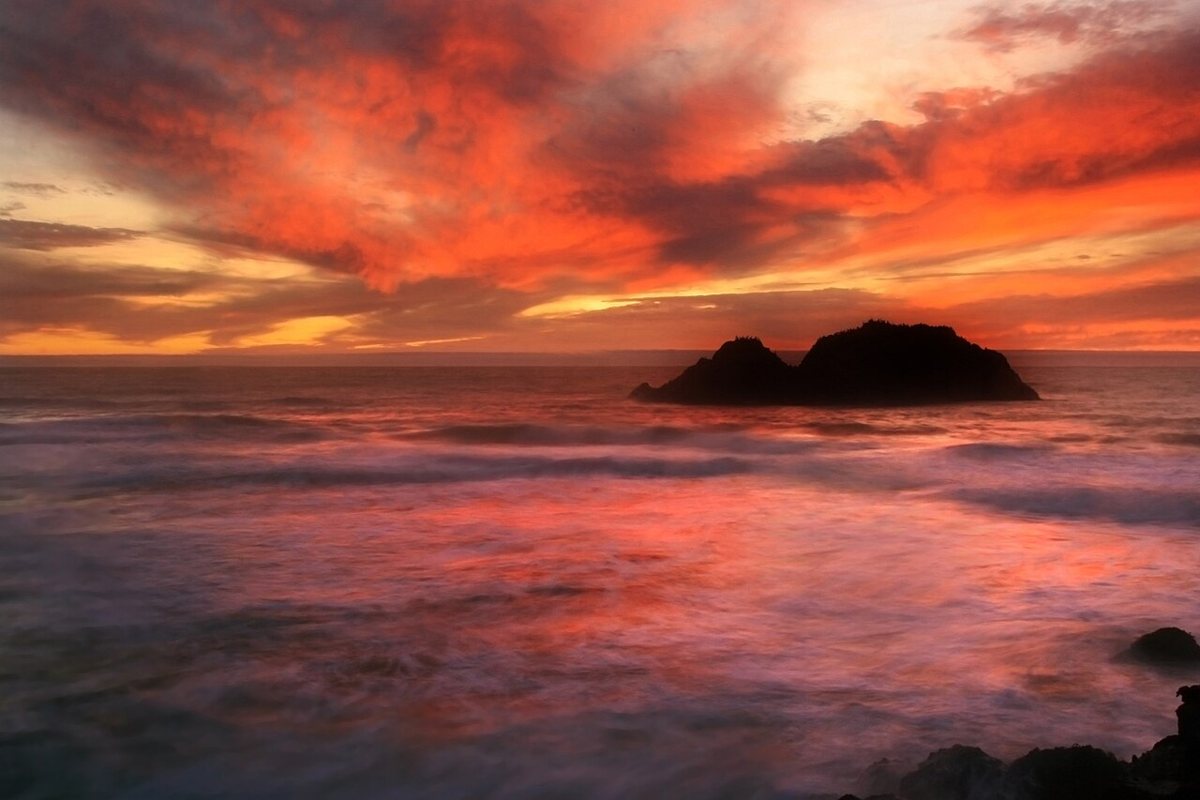
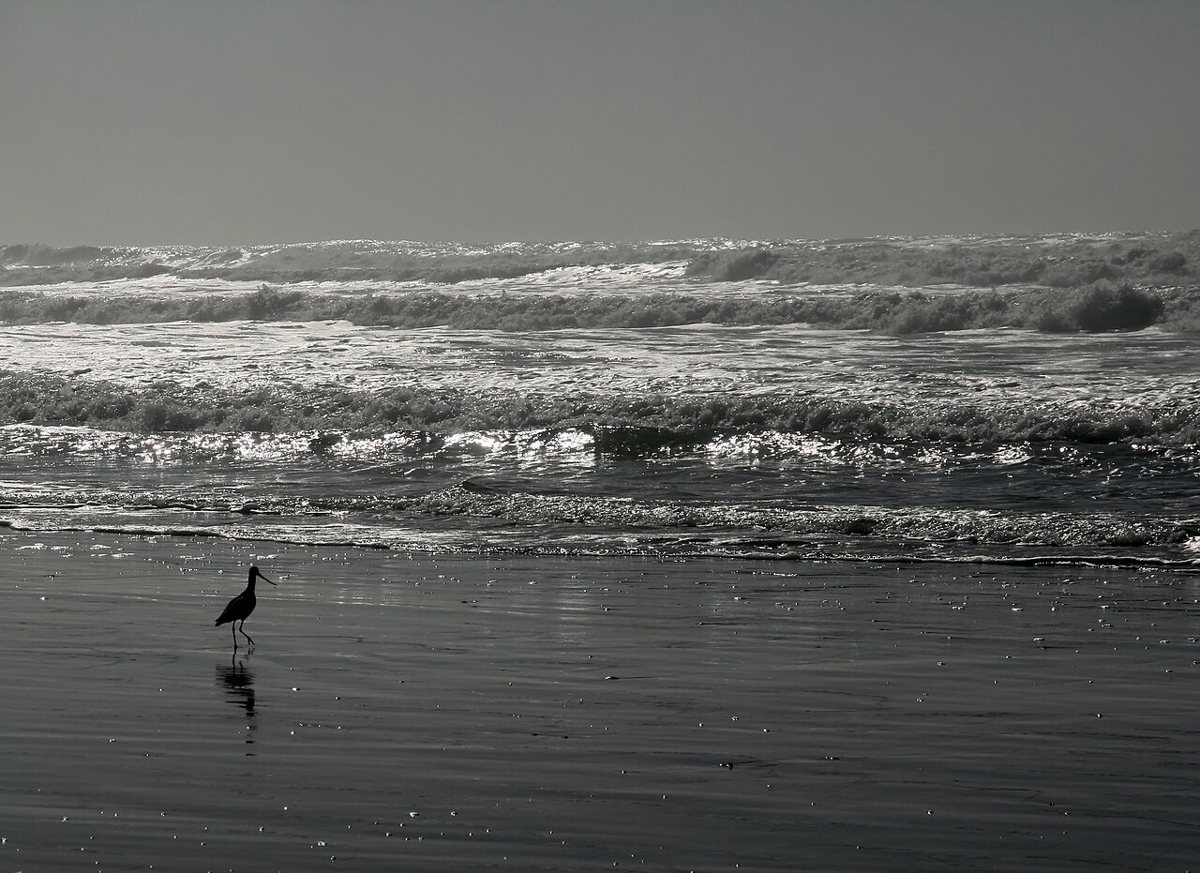
Ocean Beach is four miles of sand running along the entire western edge of the city, and it is not, despite what the postcards imply, a beach for swimming. The undertow here is genuinely dangerous, the water hovers in the mid-50s year-round, and lifeguards will tell you as much if you ask. What it's actually for is bonfires at the fire pits near Lincoln Way and surfers in full wetsuits riding a break that draws serious talent. It's also good for a long walk with a jacket zipped to the chin while the fog does whatever it wants overhead. Counterintuitively, the warm months are often the foggiest and coldest time to visit, so the payoff comes on the rare clear afternoon when the whole beach turns gold and the Dutch windmill at the park's edge catches the light. Park near Balboa Street rather than the main lot by the Beach Chalet; that lot empties out faster and the walk in is nearly the same.

Dolores Park and the Mission
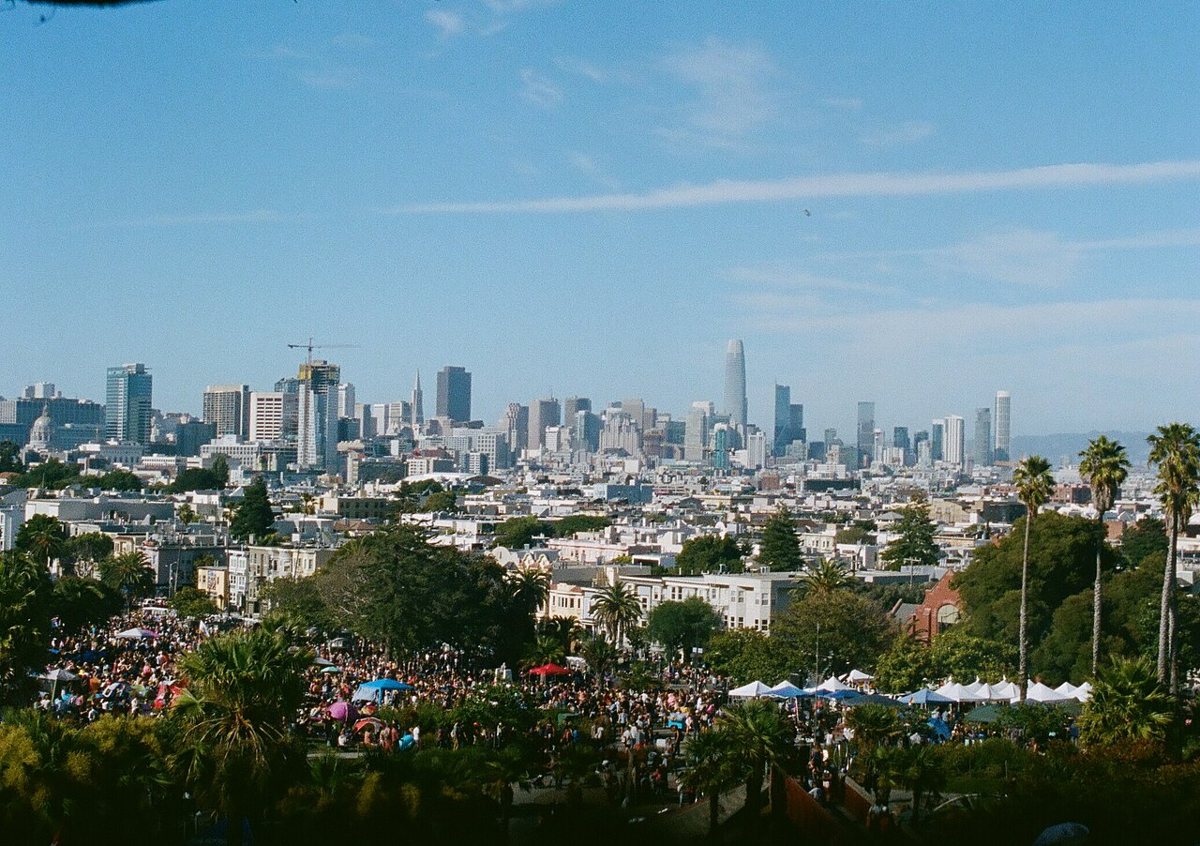
Dolores Park is the closest thing the city has to a town square, a sloped green rectangle where the Mission's microclimate does most of the heavy lifting, staying sunnier and warmer than almost anywhere else in San Francisco on a summer afternoon. Clear weekends fill it with picnic blankets and boom boxes, dogs off leash in the upper corner, and downtown's towers rising in the distance with the Bay Bridge just past them. Worth saying plainly: this is also a park that sits inside a neighborhood dealing with real housing pressure and displacement, not a backdrop for anyone's summer photos, and treating it that way is part of being a decent visitor here. Bring your own food, since the park itself has no vendors, and grab a Mission burrito on 24th or Mission Street beforehand, foil-wrapped, rice included, the way it's supposed to be.

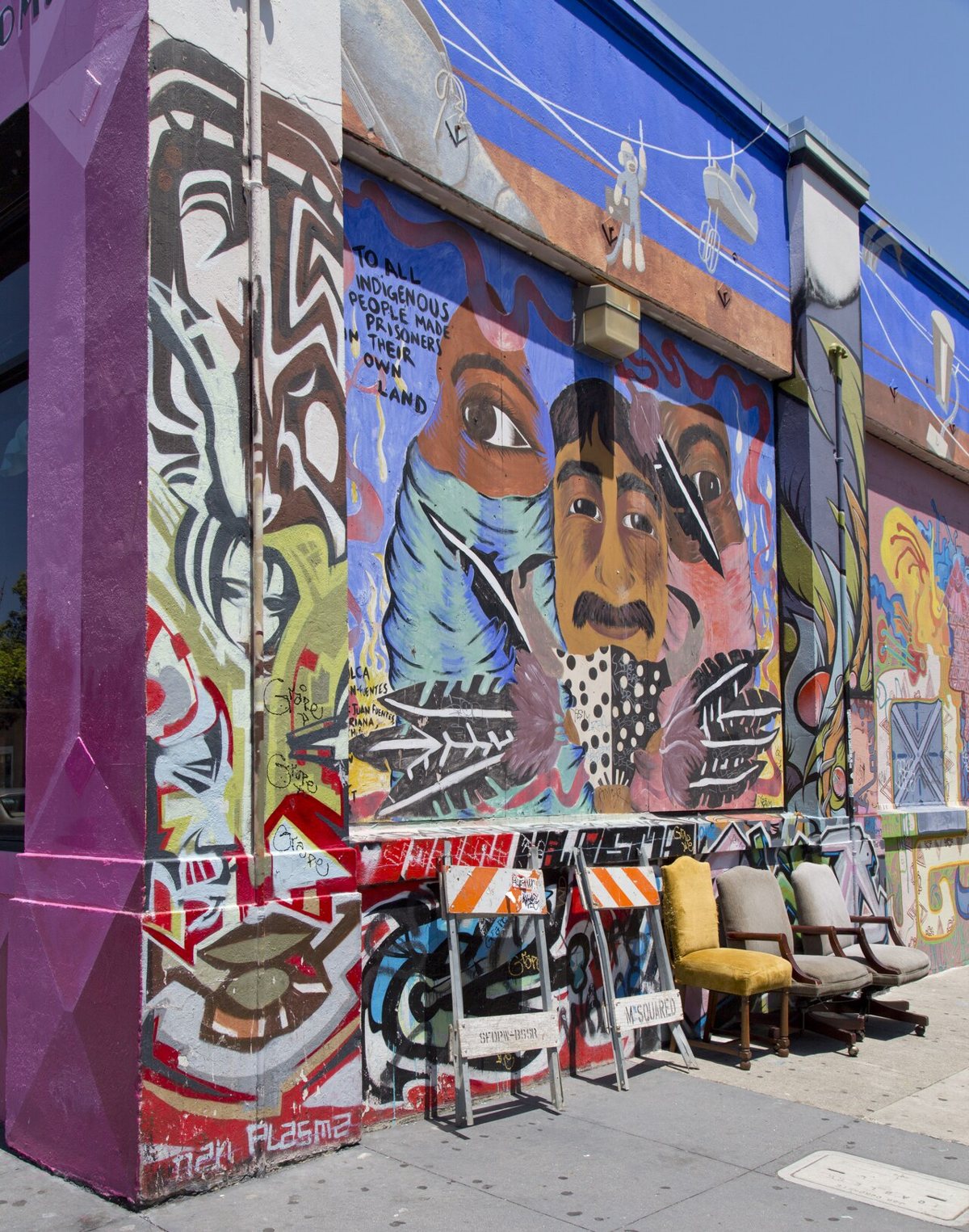
A few blocks over, the Mission's mural tradition runs deeper than any single wall, with Balmy Alley and Clarion Alley serving as open-air records of the neighborhood's Latino history and labor politics, and more recently its fights against gentrification. These aren't static tourist attractions; artists repaint and add to them regularly, so a mural you photographed five years ago may already be gone. Walking both alleys slowly, reading the dedications painted alongside the images, tells you more about the Mission's actual history than most museum exhibits do. Visit on a weekday morning if you want to look without dodging a tour group, and don't treat the alley like a photo backdrop for anything other than the art itself.
Downtown, the Embarcadero, and North Beach
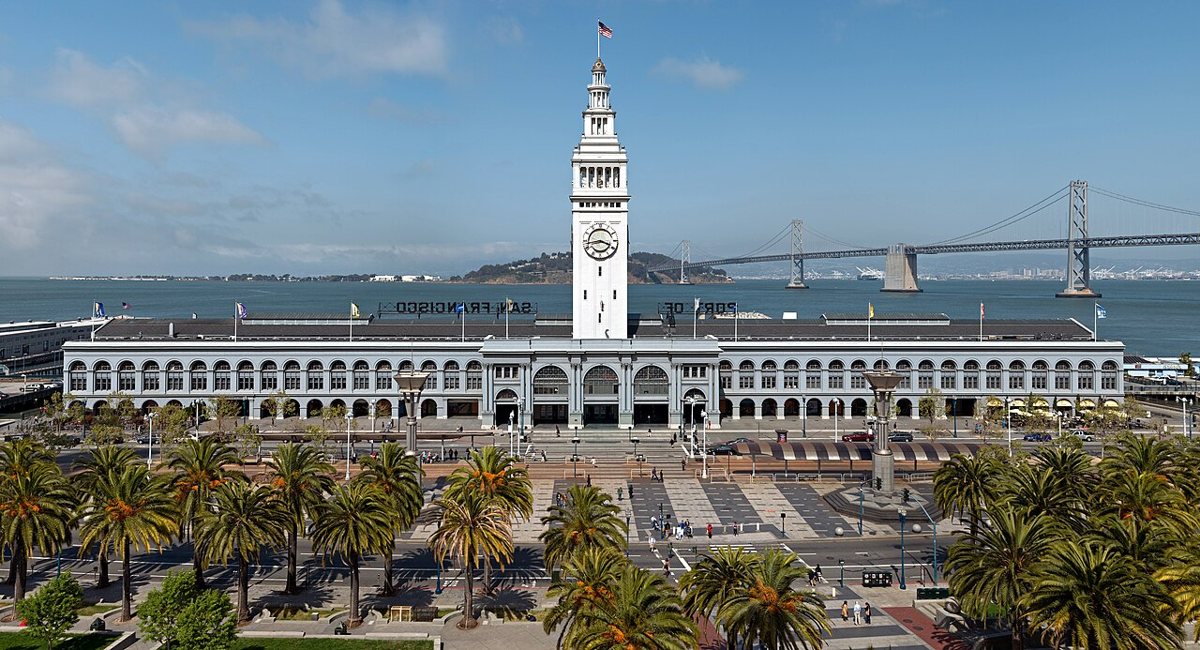
The Ferry Building sits at the foot of Market Street where it always has, a 1898 clock tower that survived the 1906 earthquake and now houses a market hall of local food producers, with a farmers market spreading across the plaza outside on regular market days. It's touristy in the sense that everyone eventually ends up here, but it's also where actual San Franciscans buy their Saturday produce and oysters, alongside visitors doing the same thing. The bay views from the plaza, with the Bay Bridge stretching east, are some of the best free scenery downtown offers. Get a coffee, walk the length of the market hall, and step outside to the water side for the view before you decide the whole thing is just a mall with better lighting.

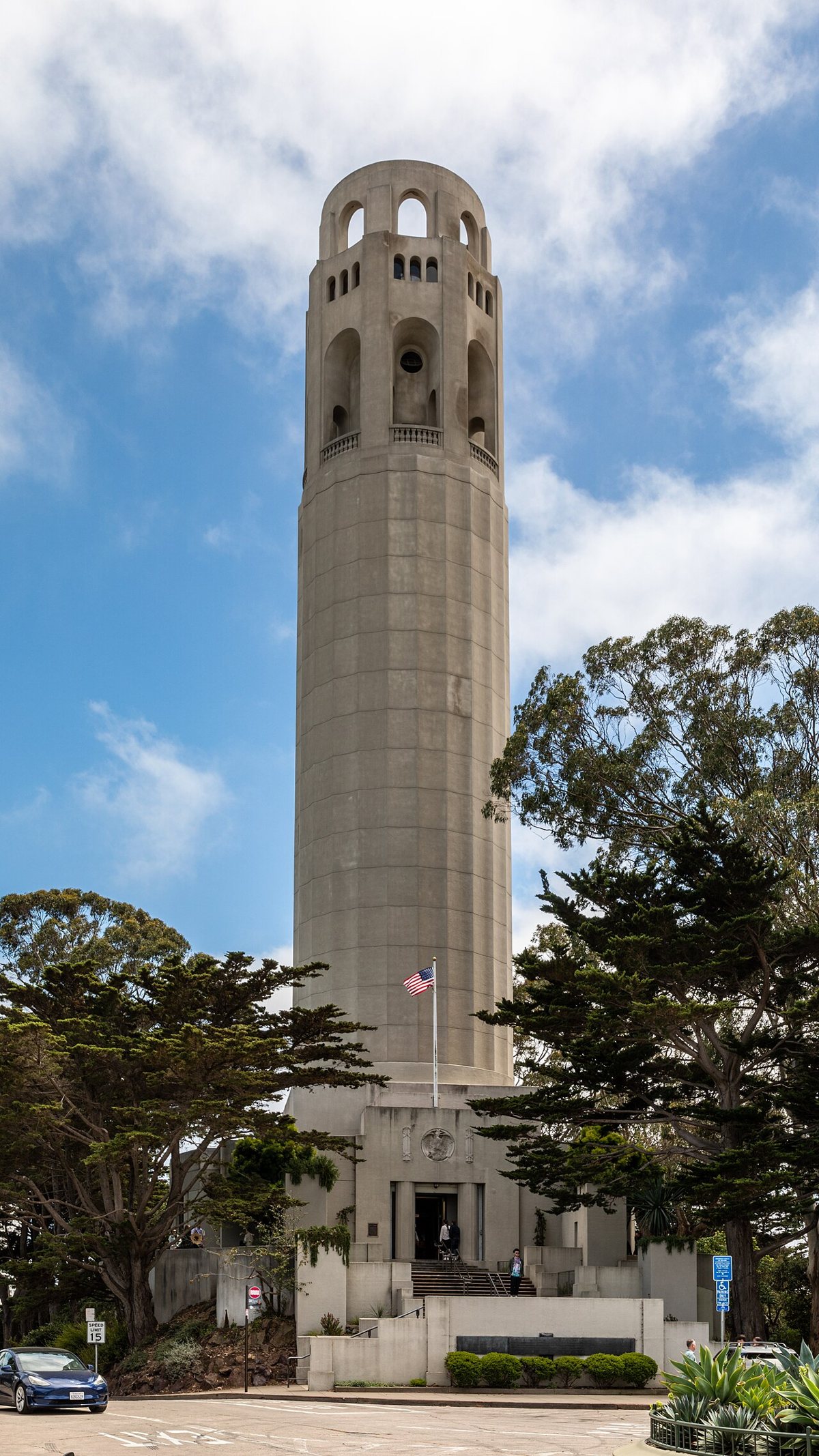
Coit Tower crowns Telegraph Hill with a fluted concrete column built in the 1930s, funded by a wealthy eccentric who loved firefighters, and it comes with a set of Depression-era WPA murals in the lobby depicting California labor and industry that are worth the visit on their own. The climb up Telegraph Hill's staircases, past gardens residents have maintained for decades and the wild parrots that nest in the area, is at least as good as the view from the top. Early on a clear summer morning, before the fog burns off downtown, you can watch the marine layer pour through the Golden Gate from up there like something poured from a pitcher. Arrive early. The parking lot at the top fills fast and the light is better before noon anyway.

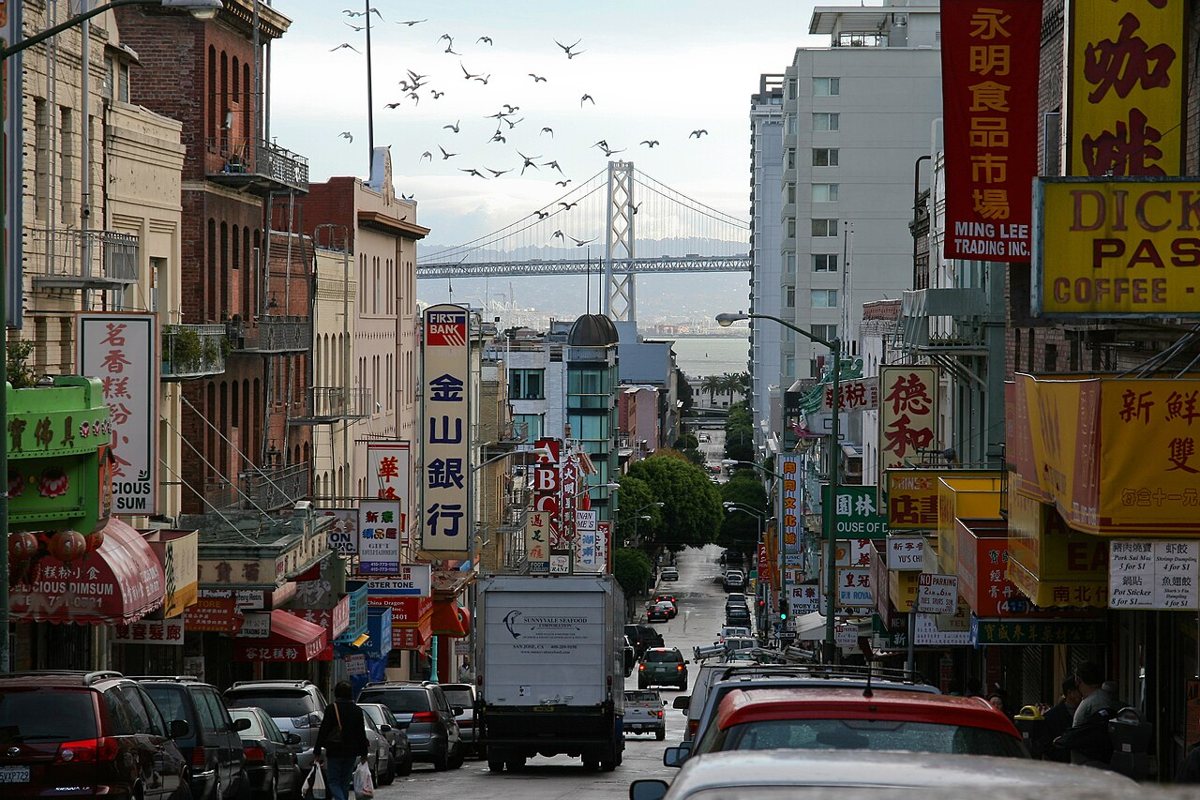
Chinatown, just downhill, is the oldest Chinatown in North America and still a working neighborhood, not a recreation of one, with grocers and herbalists, plus family associations that predate most of the city's other institutions. Grant Avenue gets the tourist traffic with its dragon gate and lantern-strung storefronts, but Stockton Street, one block over, is where residents actually shop, and the contrast between the two streets tells you something honest about how the neighborhood functions. Duck into one of the alleys for dim sum or a bakery selling egg tarts, and don't rush it. Further west, the Richmond District has its own thriving Chinatown-adjacent dim sum scene that locals often prefer, quieter and less staged than the downtown version.

Neighborhoods Worth a Slow Afternoon
The Castro has been the center of gay San Francisco since the 1970s, and it carries that history openly. The rainbow crosswalks mark the main intersection, the GLBT History Museum sits a few doors down, and the Castro Theatre marquee has anchored the block for a century. This is a neighborhood best understood by walking it rather than photographing it, stopping into the shops and bars that have survived decades of change, and remembering that the Castro's visibility was fought for, not given. Summer evenings here stay lively later than in the fog-bound west side, since the neighborhood sits in a warmer pocket. A short walk uphill toward the Upper Haight adds the counterculture history of Haight-Ashbury to the same afternoon, past the Victorians where the Summer of Love actually happened, still lived in, not preserved behind glass. Haight Street itself is a working commercial strip now, record shops and vintage stores mixed in with the head shops, and the panhandle connecting it to Golden Gate Park makes the two areas an easy combined walk. Noe Valley, just south, is quieter and more residential, the neighborhood where strollers outnumber tourists and 24th Street's cafes fill up on weekend mornings, worth a stop if you want to see a slower, more domestic version of the city.
Views, Ballgames, and Open-Air Music
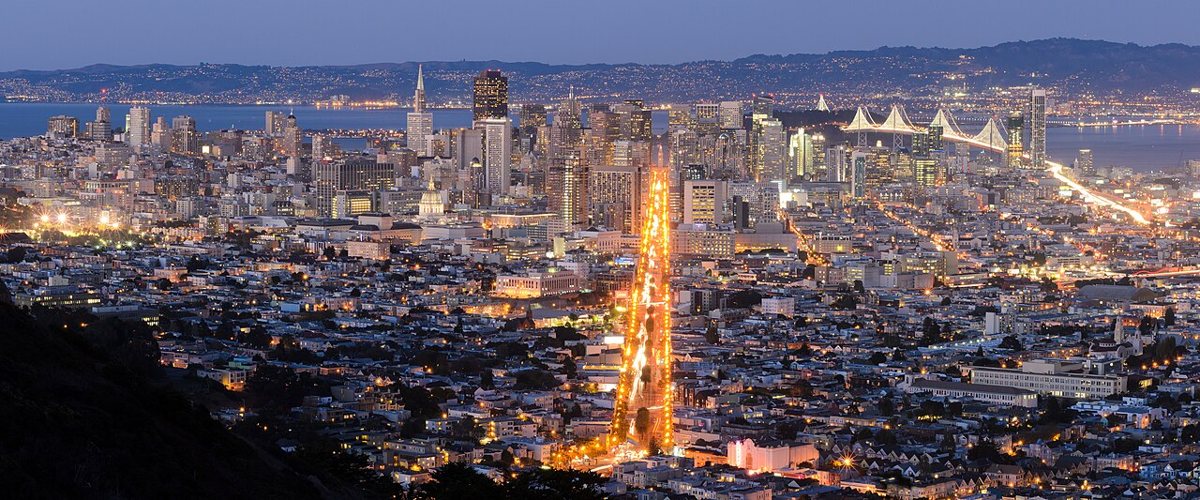
Twin Peaks gives you the single best panoramic view of the city without a hike longer than a parking lot walk. Turn in a slow circle up there and you'll pass the ocean on one side and the bay on the other, downtown towers stacked in between, with the fog visibly splitting the city into warm and cold halves right in front of you. It's also one of the windiest, coldest spots in San Francisco regardless of what the thermometer says elsewhere, so the jacket you almost left in the car is not optional here. Head up at sunset if the fog cooperates, or come at midday specifically to watch the fog pour over the ridge like a slow-motion waterfall, which happens often enough in summer that it's worth building a whole outing around.

Oracle Park, home to the Giants along McCovey Cove, has the bay lapping right up against the right field wall, with kayakers waiting out there for home run splashes during games. A summer night game here is a genuinely different experience than most ballparks offer, in part because it is often cold enough that regulars bring the same layers they'd wear to a fog-bound hike, not a summer evening. The Embarcadero walk to and from the park, along the water with sailboats and the Bay Bridge lit up, is part of the experience rather than a commute to it. A few miles south in Mission Bay, Chase Center hosts the Warriors during basketball season and a steady run of concerts through the summer months, with its own waterfront plaza worth a walk even on a night without an event. Summer also brings Golden Gate Park's long-running free bluegrass festival and the larger ticketed music festival that takes over the park's meadows later in the season, both worth checking the current lineup for if live music outdoors is part of your trip.
Getting Around, the Fog, and What's Actually Free
San Francisco is compact enough to cover a lot of it without a car, and driving downtown in summer traffic is rarely worth the trouble. The Muni Metro and bus network reaches most of what's listed here, cable cars are genuinely useful transportation on a couple of key lines rather than pure novelty, and ride-hailing fills the gaps. Renting a bike for a day, especially for Golden Gate Park and the Embarcadero, is often faster than any of the above.
- Dress in layers no matter what the forecast says. A 75-degree Mission morning can end in a 55-degree Sunset evening three miles away, and the fog can roll in with almost no warning.
- Check which side of town you're headed to before you decide what to wear. The Mission, Noe Valley, and the Castro run warmer; the Sunset, Richmond, and the immediate coastline run colder and foggier, especially from June through August.
- Golden Gate Park, Dolores Park, the Presidio, Crissy Field, Lands End, the Mission murals, and the walk across the Golden Gate Bridge are all free.
- The Ferry Building's market hall and Chinatown cost nothing to walk through, even if you end up spending money once you're inside.
- September and October, not July, are usually the city's warmest, clearest stretch, so if your travel dates are flexible, that's when the fog finally loosens its grip.
- Sunscreen is still worth packing even under fog. The UV index doesn't drop just because the sun isn't visible, and plenty of visitors leave with a burn they didn't see coming.
- Comfortable shoes matter more here than in most cities. San Francisco's hills are steep enough that the wrong pair can end a day early, especially around Telegraph Hill, Twin Peaks, and the Lands End trail.
None of this is a complaint about the city, whatever visitors from warmer places assume when they read it that way. The fog is why the redwoods a short drive north stay green and why the produce at the Ferry Building farmers market tastes like it does. It's also why a walk across the bridge feels like weather you can touch instead of scenery you observe from a car. Come in summer and you'll get a city in its working clothes, cool and a little contrary, not posing for the brochure. Come back in fall if you want the postcard version. Either way, you'll understand why the people who live here stopped apologizing for Karl a long time ago. Every longtime resident has a story about a summer barbecue moved indoors at the last minute or a beach day that turned into a diner booth instead. A rooftop view can vanish under gray mid-sentence, and almost none of them would trade the trade-off. The fog is why the light here looks the way it does in every photograph worth keeping, soft and a little unresolved, and it's why a good San Francisco summer rewards the traveler willing to chase the sun across the map instead of waiting for it to show up.